Villas in Spain
Escape to paradise with our exquisite villas in Spain! Indulge in luxurious amenities, stunning views, and impeccable service. Book your dream holiday now!







About our villas in Spain
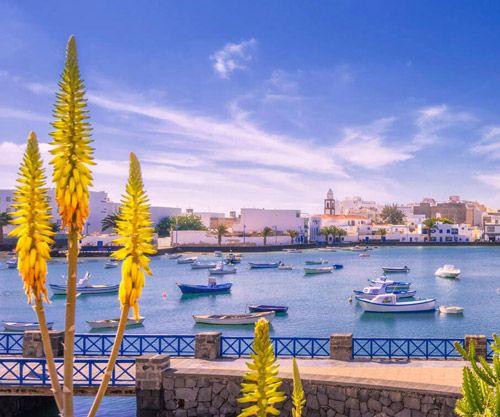
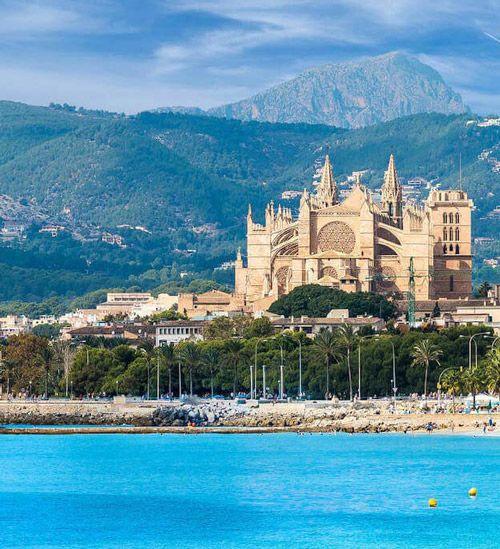
Our handpicked collection includes 240+ villas across five popular regions in Spain, with options for couples, families and larger groups of up to 32 guests. Choose from mainland stays in Andalucía, Costa Blanca and Costa del Sol, or island escapes across the Balearic and Canary Islands, including Mallorca, Menorca, Ibiza, Lanzarote and Fuerteventura.
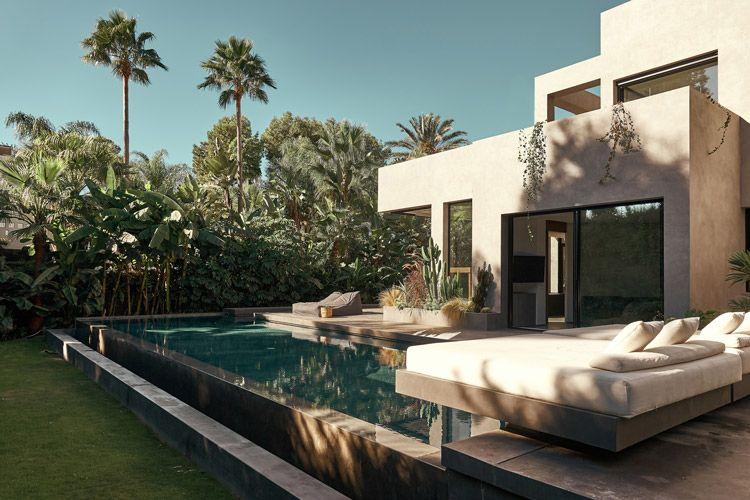
Our Spain villa rentals range from stylish coastal homes to spacious group properties, with many featuring private pools, outdoor living areas and easy access to beaches, towns and local attractions. Whether you want a relaxed island stay or a luxury villa holiday on the mainland, there are options to suit every style of trip.
Why choose a villa in Spain?
A private villa gives you more room to relax together, your own indoor and outdoor spaces, and the freedom to plan each day your way. Many stays can also be enhanced with Top Villas guest services for an easier, more personalised holiday.
Popular villas in Spain



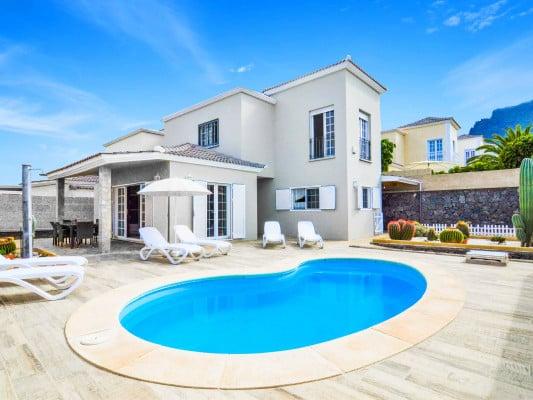
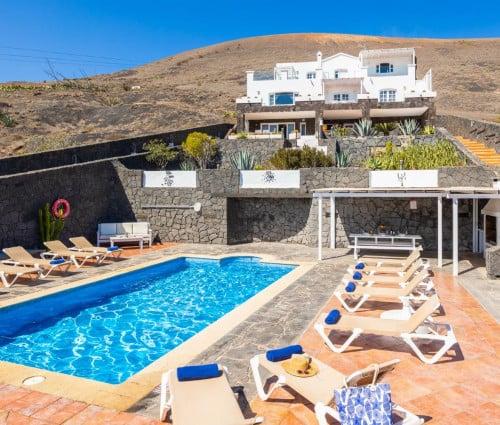
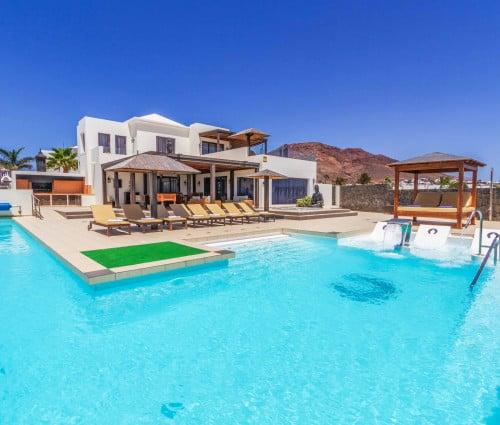
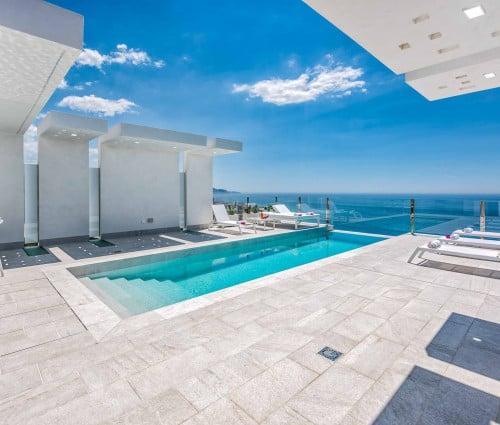

For families, Mallorca, Menorca, Costa Blanca and Costa del Sol are all strong choices. Mallorca combines beaches and attractions, Menorca suits quieter trips, while Costa Blanca and Costa del Sol offer easy access to beaches, towns and family-friendly activities.
It depends on the trip you want. Mainland Spain is ideal for exploring several towns, beaches and attractions by car, while the Spanish islands are better suited to relaxed coastal stays and island scenery.
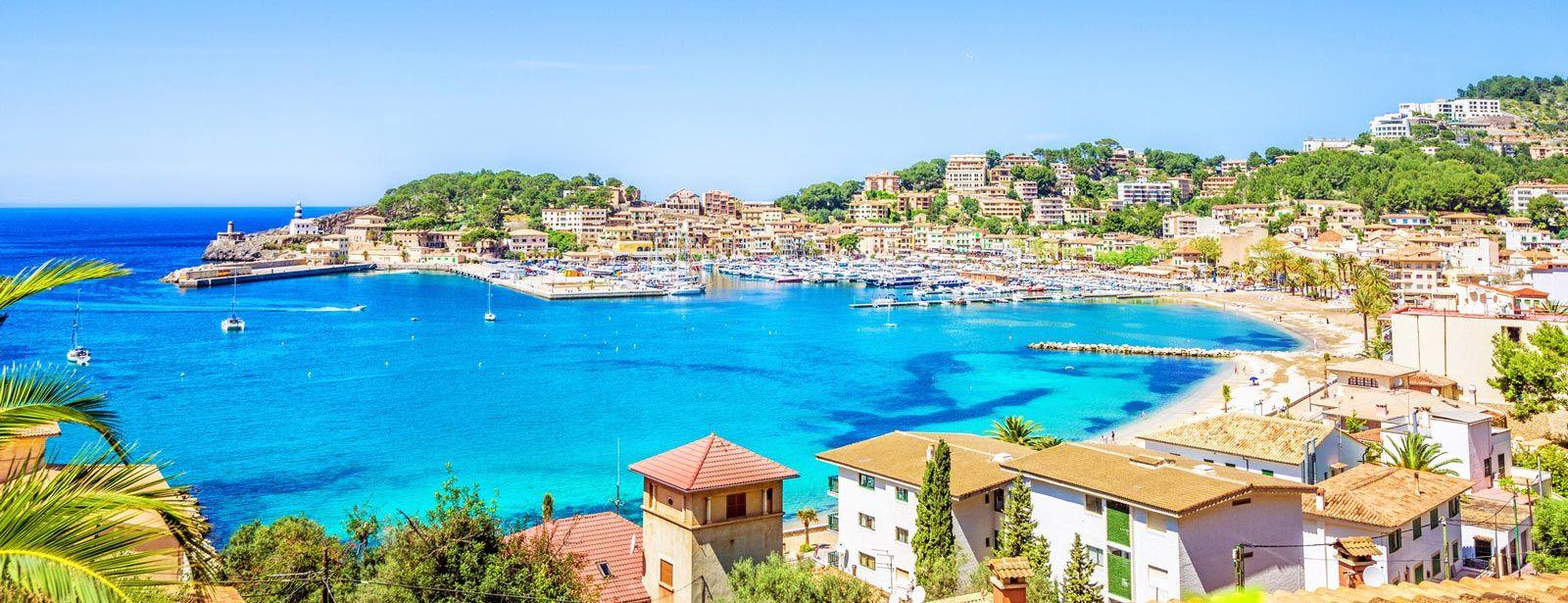
For beach-focused stays, consider Mallorca, Menorca, Ibiza, Costa Blanca, Costa del Sol, Fuerteventura or Lanzarote. Mallorca and Menorca are great for coves, while Fuerteventura is especially good for wide sandy beaches.
Start with what you want nearby. Choose a coastal villa for beach days, a town-based stay for restaurants and nightlife, or a quieter countryside location for more privacy. Checking driving distances before booking can also help.
A rental car is often the most flexible option, especially for countryside villas or trips with lots of exploring. Private transfers and taxis are useful alternatives, while some destinations also have good public transport connections.
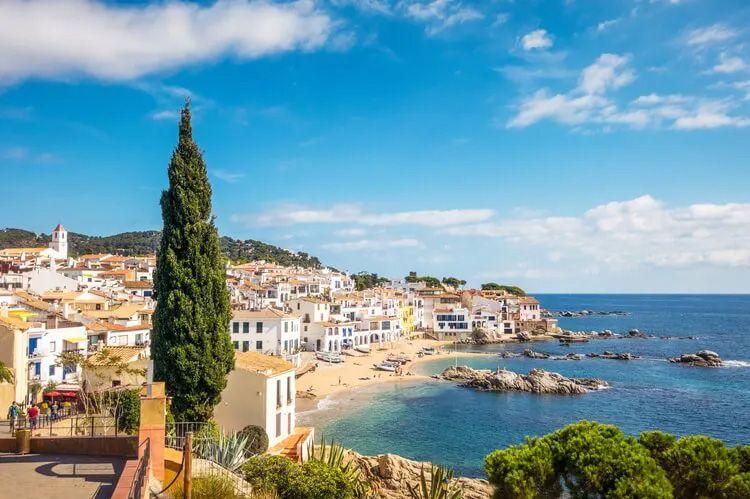

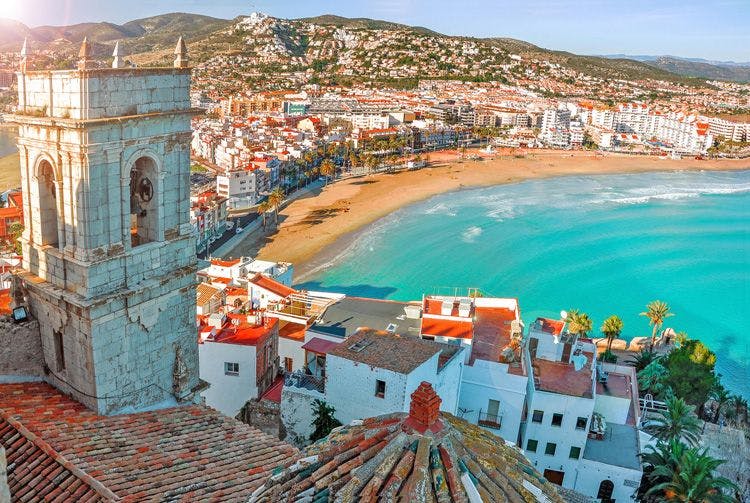
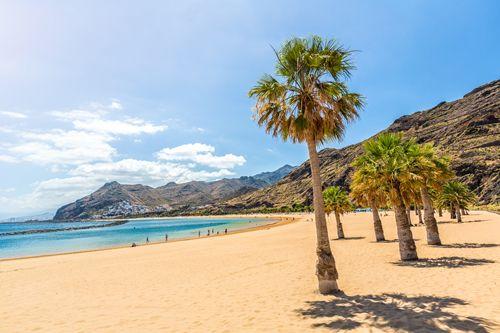 BeachesSpain boasts stunning beaches along its coasts, from Costa del Sol's golden sands to Ibiza's vibrant shores, offering diverse landscapes, crystal-clear waters, and vibrant coastal culture.
 City breaksCity breaks in Spain offer incredible culture, historic charm, and delectable cuisine. Explore architectural wonders in Barcelona, indulge in art in Madrid, and unwind on sandy beaches in Valencia.
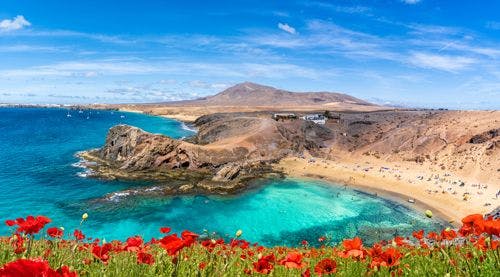 Island hoppingIsland hopping in Spain offers diverse experiences: explore Ibiza's nightlife, Mallorca's beaches, Tenerife's volcanoes, and Menorca's tranquility. Each island boasts unique culture, landscapes, and activities.
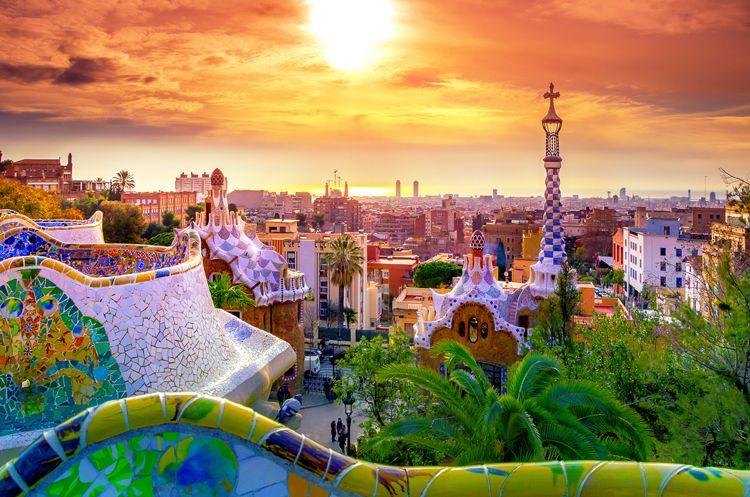
 Historic sitesSpain boasts iconic historic sites such as the Alhambra palace, Sagrada Familia, Park Güell, Guggenheim Museum, and Roman Aqueduct of Segovia, reflecting its rich cultural heritage and architectural marvels.
 NightlifeSpain's nightlife is legendary, offering vibrant energy, diverse music, and dance scenes. Cities like Barcelona, Madrid, and Ibiza host world-renowned clubs and bars, creating unforgettable experiences.
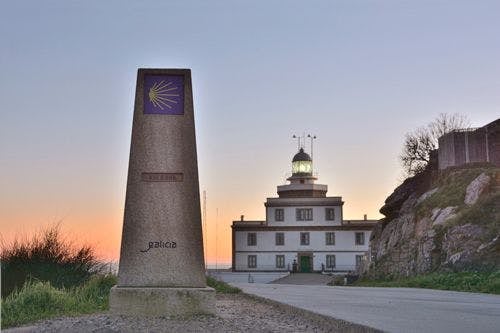 Trekking and hikingSpain offers diverse and breathtaking trekking experiences. Explore the Pyrenees' rugged beauty, traverse the Camino de Santiago's historic trail, or roam the stunning landscapes of Andalusia and the Canary Islands.
 StargazingStargazing in Spain offers enchanting vistas of constellations against historic landscapes. Dark-sky reserves like Teide National Park provide optimal conditions for celestial exploration and wonder.
 FootballFootball in Spain is a cultural phenomenon, known for its skilled players, iconic clubs like Barcelona and Real Madrid, intense rivalries, and success on both domestic and international stages.
 SkiingSpain offers diverse skiing experiences, from the Pyrenees to the Sierra Nevada. Enjoy breathtaking landscapes, reliable snowfall, and a blend of culture and adventure on Spanish ski slopes.
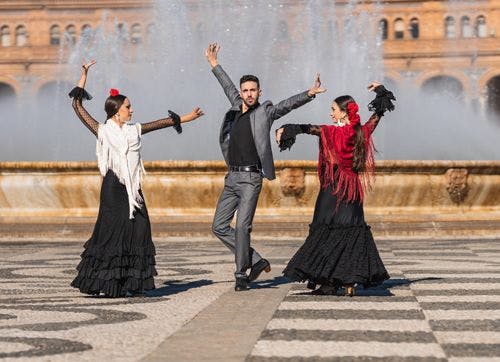 Cultural experiencesSpain offers diverse cultural experiences, from flamenco dances to historic architecture like the Alhambra and vibrant festivals like La Tomatina and Semana Santa.
 Ibiza Opening PartiesIbiza Opening Parties kick off the club season in late April–May, with huge DJ lineups, iconic superclubs, and the island’s first big nights of summer.
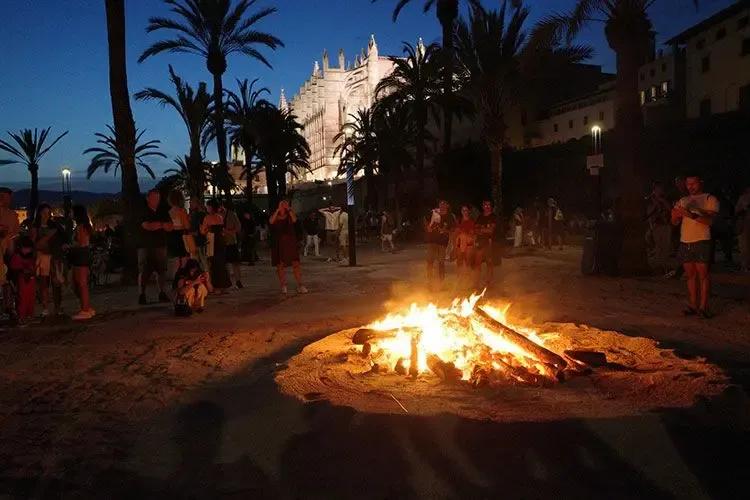 Sant Joan FestivalSant Joan Festival lights up Spain each June 23–24 with beach bonfires, fireworks, music and all-night celebrations welcoming summer.
 Ibiza Medieval FestivalIbiza Medieval Festival transforms Dalt Vila each May with a bustling medieval market, street performers, knights, crafts, local food and Old Town magic.
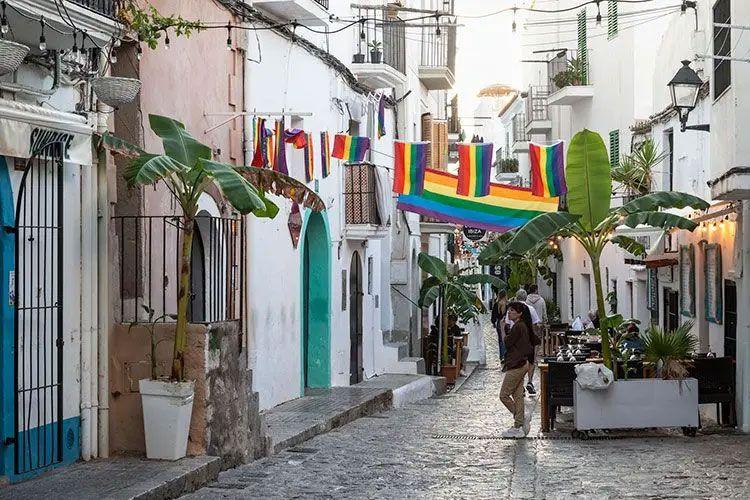 Ibiza Gay PrideIbiza Gay Pride takes over Ibiza Town each June, with a colorful parade, open-air shows, and headline parties that make it one of Europe’s biggest LGBTQ+ weeks.
 Mallorca Live FestivalMallorca Live Festival hits Calvià, Mallorca each June, bringing major headliners, Balearic beach vibes and late-night stages across a huge multi-genre lineup.
 Tour de FranceTour de France 2026 runs in July, starting with a Barcelona, Spain Grand Départ before racing through France to the iconic Paris finale

Complimentary Concierge Services
Elevate your Spanish escape with our complimentary Concierge services to enhance every facet of your trip.
From guided tours through historic cities to thrilling outdoor adventures, our bespoke Concierge is on-hand to ensure you create cherished memories that last a lifetime.
With Top Villas, your Spanish sojourn can be totally carefree, with our Concierge taking care of all your arrangements, from tickets and transfers and everything in between.
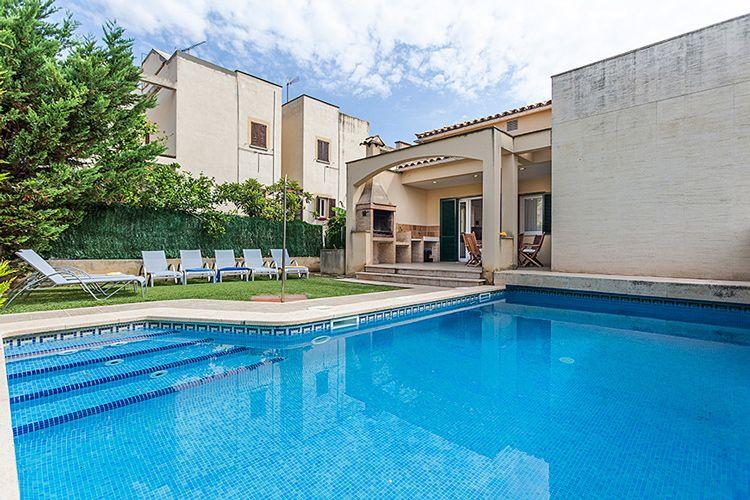
Private villas in Spain with pools
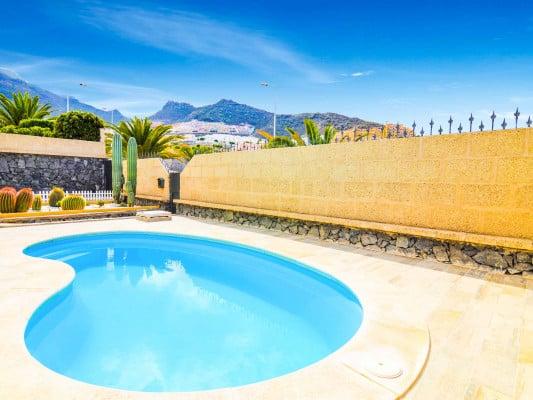
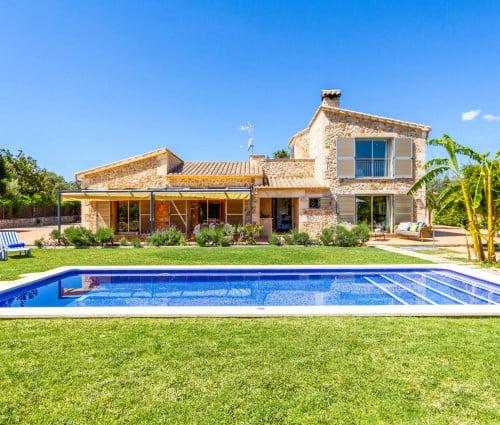
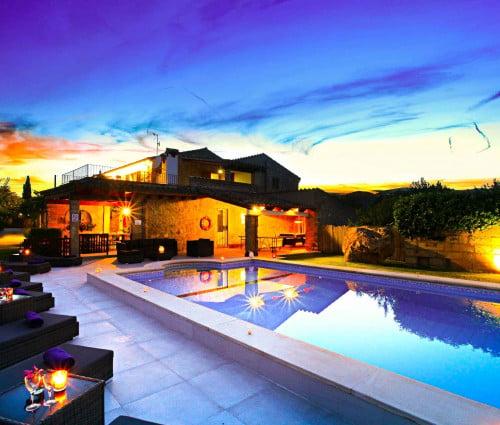
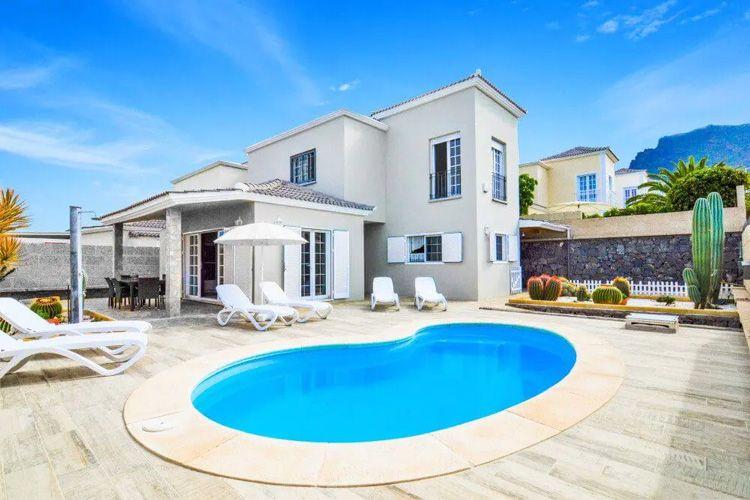
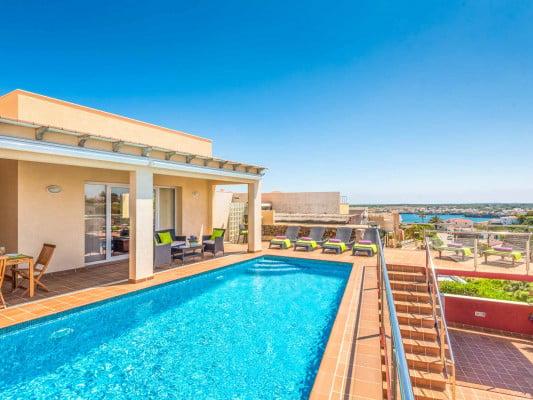
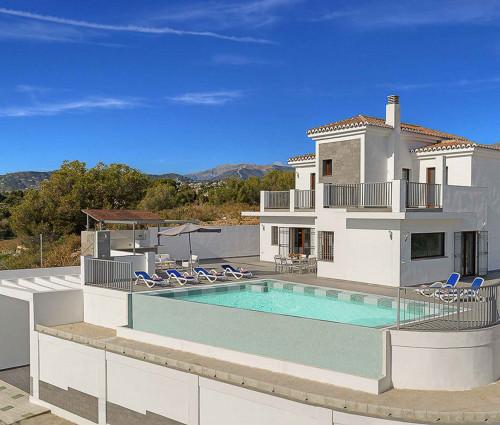
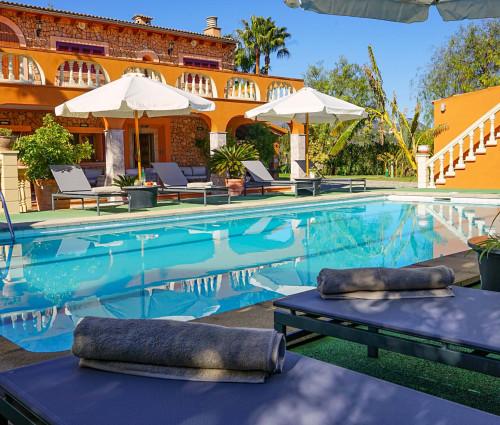
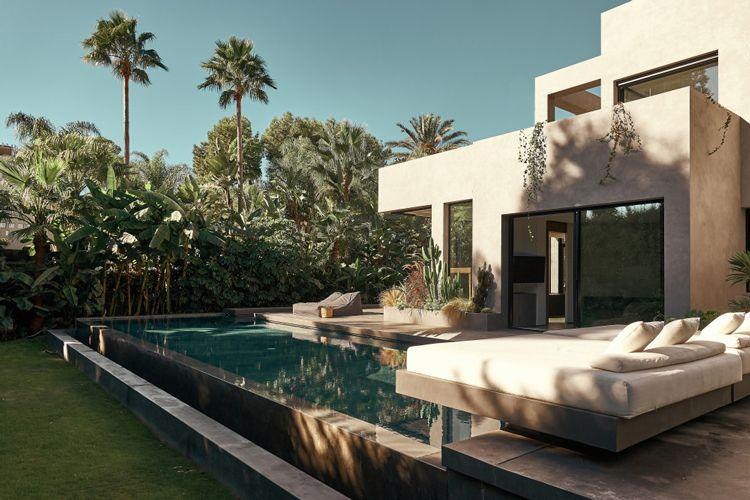
The best way to beat the Mediterranean heat is to take a refreshing dip in your own private pool. Our villas in Spain with private pools range from coastal retreats and island homes to countryside villas, giving couples, families and groups plenty of space to relax in the Spanish sunshine.
Pools come in all shapes and sizes, from smaller plunge pools to larger options for swimming and relaxing. Many homes also feature sun loungers, terraces and alfresco dining areas around the pool, making it easy to spend long days outdoors.
Featured private Spain villas with private pools





Family villa rentals in Spain
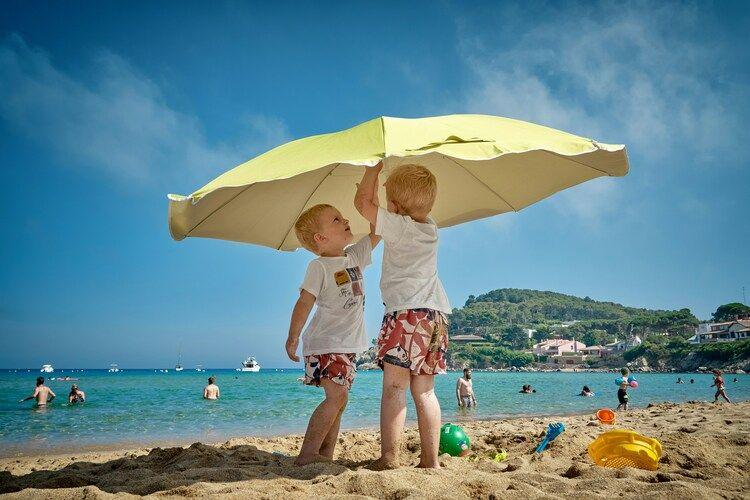
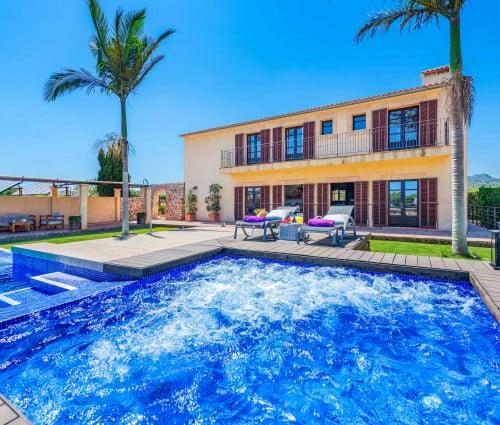
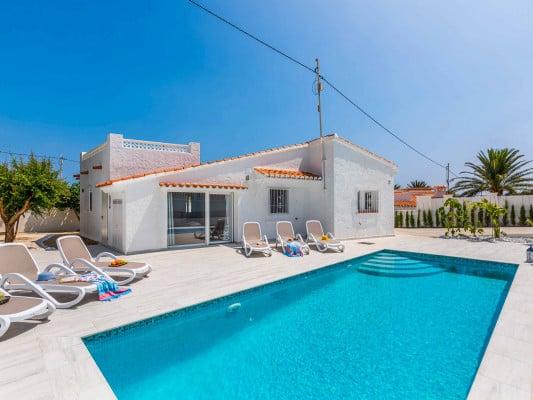
Spain is a fantastic family holiday destination, with plenty of fun attractions and activities plus, of course, lots of gorgeous beaches to explore. Our family villa rentals in Spain are in some of the most sought-after destinations on both the mainland, in the stunning Costa Blanca and Andalusia regions, and the Spanish islands, including the ever-popular Tenerife and Mallorca.
Parents can indulge in peace of mind knowing that our family villas prioritize safety and security. Many properties feature private pools enclosed within lush gardens, creating a secure environment for kids to splash around while parents bask in tranquility. For those seeking even more entertainment, select villas boast game rooms, home theaters, and outdoor play areas, ensuring that every member of the family remains entertained throughout the stay.
Explore family villa rentals in Spain



Pet friendly villas in Spain
Discover the perfect pet-friendly villas in Spain, where both you and your furry companions can experience a truly unforgettable trip. Our handpicked selection of pet-friendly accommodations ensures that your four-legged family members are just as welcome as you are. Our pet-friendly Spain villas provide spacious outdoor areas where your pets can romp freely and safely, giving you peace of mind and your pets a holiday they'll never forget.
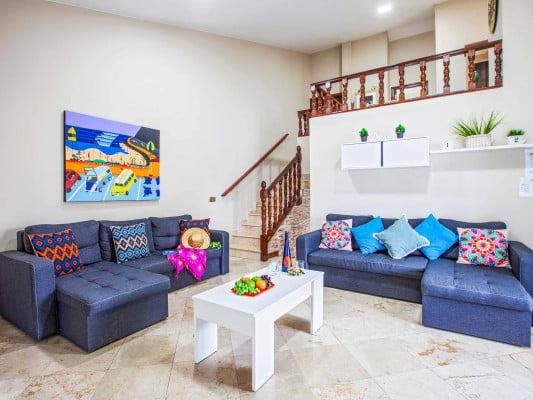
Inside these carefully selected villas, you'll find all the comforts of home. Modern amenities, cozy living spaces, and well-equipped kitchens offer you the convenience and relaxation you desire. And with pet-friendly features such as easy-to-clean flooring and secure fencing, you can focus on making memories together without any worries.
Whether you're planning a family retreat, a romantic getaway, or a fun-filled adventure with friends, our pet-friendly homes in Spain cater to your entire entourage. From the charming streets of Ibiza to the historic wonders of Andalusia, there's no need to leave your furry friends behind when you choose Top Villas for your Spanish escape.