40+ Things to Do in Croatia
Discover the best things to do in Croatia, from Dubrovnik and Split to beautiful beaches, island hopping, national parks and unforgettable coastal adventures.

Discover the best of Croatia
From stunning Adriatic coastlines to medieval cities and breathtaking national parks, Croatia is a country filled with unforgettable experiences. Whether you're seeking the best beaches in Croatia, endless adventure, history, romance, or family-friendly activities, you'll find something for everyone in this year-round destination.
Here’s our guide to the top things to do, unique experiences, family-friendly attractions, and couple-based activities across this beautiful country. For those tempted by Croatia but unsure of when to travel, our guide on the best time to visit Croatia will help plug down your perfect month to come and experience this world-class Adriatic gem.
Things to do in Croatia: Dubrovnik highlights
1. Walk Dubrovnik's City Walls
Location / Neighborhood: Dubrovnik Old Town
Best For: First-time visitors, couples, history and photography
Estimated Time Needed: 2–3 hours
Cost / Entry: Paid admission
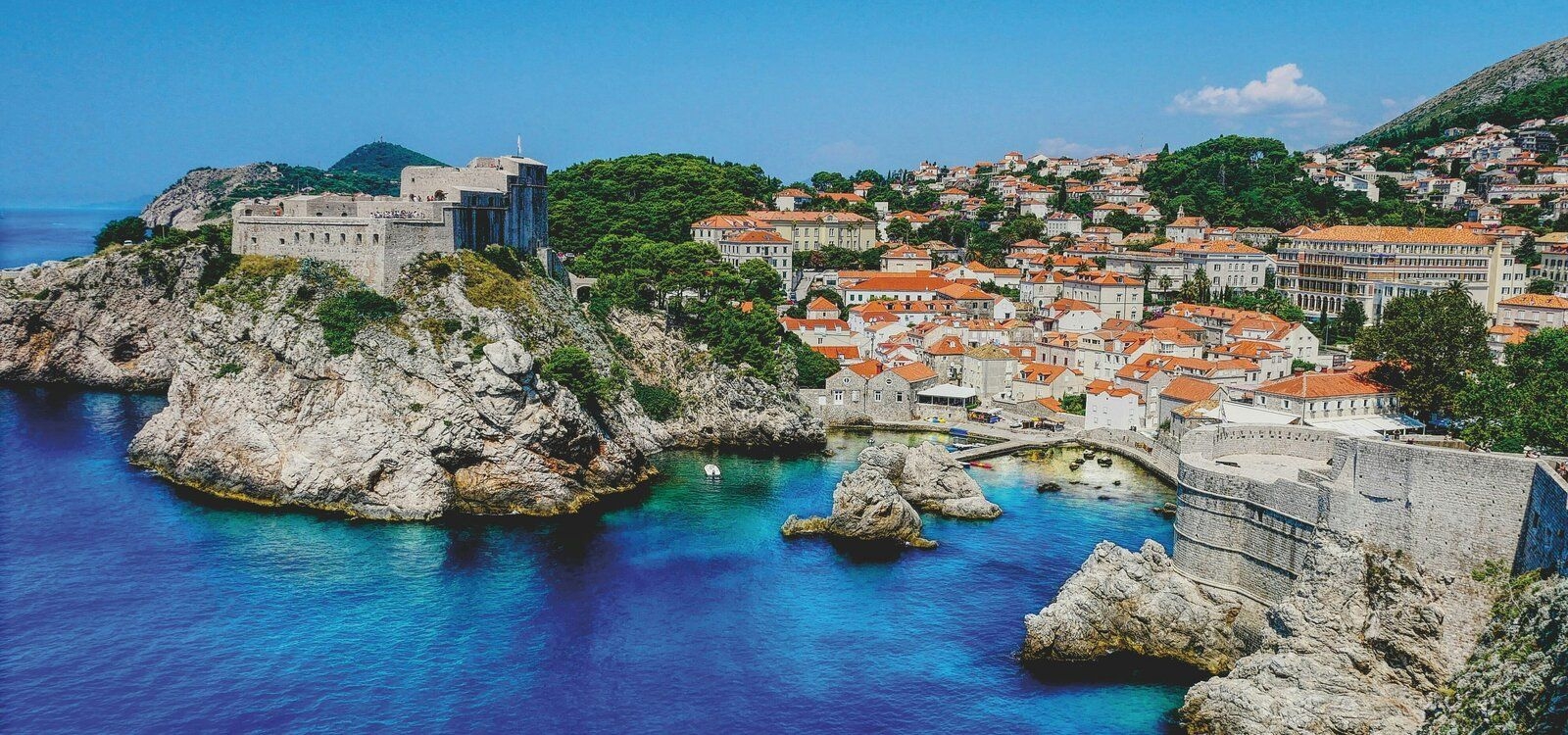
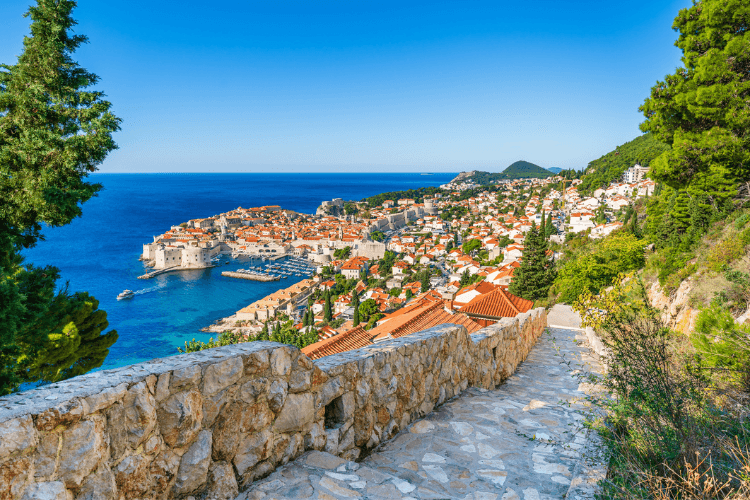
Walking Dubrovnik's City Walls is one of the best ways to understand why the Old Town has become one of Croatia's most recognisable destinations. The elevated route follows the historic fortifications around the city, passing towers, gateways and defensive positions while providing uninterrupted views over red-tiled rooftops, church towers and the Adriatic.
The sea-facing sections are particularly impressive, with the walls rising directly above rocky coastline and deep-blue water. Inland, you can look down into the maze of streets you may later explore on foot.
Do not rush the circuit. Regular stops at the viewpoints make the experience much more enjoyable, especially if photography is one of your priorities.
Insider tip: Go early in the morning or later in the afternoon during summer. Much of the route is exposed and there is limited shade.
2. Explore Dubrovnik Old Town
Location / Neighborhood: Dubrovnik Old Town
Best For: History, architecture, food and first-time visitors
Estimated Time Needed: Half day
Cost / Entry: Free to explore
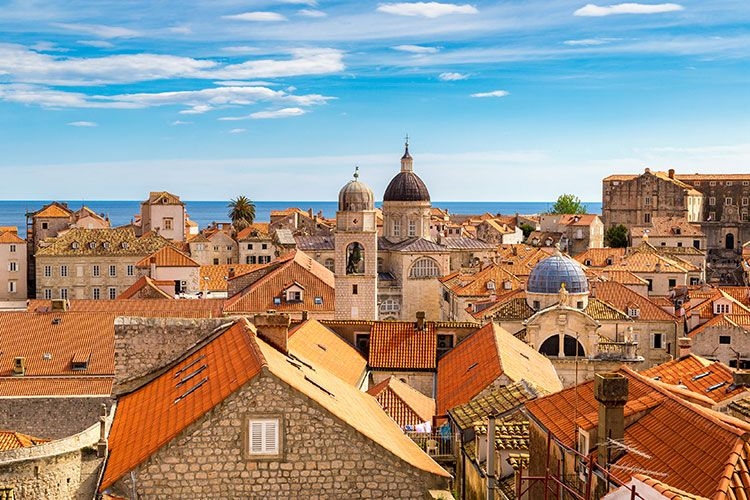
Dubrovnik deserves much more than a quick walk along Stradun. Once inside the city walls, take time to explore the narrow streets climbing away from the main pedestrian route, where stone staircases, hidden courtyards, churches and small restaurants reveal a quieter side of the Old Town.
Major landmarks include the Rector's Palace, Sponza Palace and Dubrovnik Cathedral, but some of the most memorable moments come simply from wandering without a fixed route. Look up as you walk and you will notice balconies, old shutters and architectural details that are easy to miss when the streets are busy.
The atmosphere changes noticeably after sunset, making it worth returning in the evening even if you have already spent the morning sightseeing.
Insider tip: Leave the Stradun periodically and explore the side streets. They are usually quieter and often much more atmospheric.
3. Ride the Dubrovnik Cable Car
Location / Neighborhood: Dubrovnik and Mount Srđ
Best For: Views, photography, couples and families
Estimated Time Needed: 1–2 hours
Cost / Entry: Paid
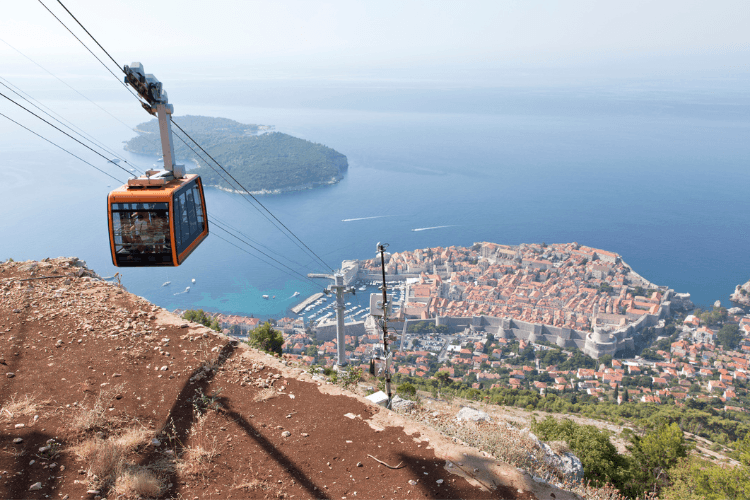
Riding above Dubrovnik towards Mount Srđ gives you one of the clearest views of the city's extraordinary setting. From the upper viewpoint, the Old Town appears almost perfectly enclosed by its historic walls, with Lokrum Island immediately offshore and the Adriatic stretching towards the horizon.
The experience works particularly well after exploring the city at ground level because you can suddenly see how the harbour, walls and surrounding neighbourhoods fit together. Clear days also provide broad views along the southern Dalmatian coastline.
Sunset is understandably popular, although this can also be the busiest period. If you prefer fewer people, an earlier visit still provides excellent panoramas.
Insider tip: Check visibility before travelling up. Hazy or cloudy weather can dramatically reduce the view.
4. Kayak beneath Dubrovnik's walls
Location / Neighborhood: Dubrovnik coastline
Best For: Active travellers, couples and older families
Estimated Time Needed: 2–3 hours
Cost / Entry: Guided tour or kayak hire
Sea kayaking offers a completely different way to experience Dubrovnik. Instead of looking down at the Adriatic from the walls, you paddle directly beneath the fortifications and cliffs, seeing just how dramatically the historic city rises above the water.
Guided routes often combine views of the Old Town with stretches around nearby coastline or towards Lokrum, depending on the operator and sea conditions. Some trips also include swimming or snorkelling stops, adding a welcome break from continuous paddling.
It is active without being a full-day commitment and provides a useful change from walking around stone streets in the heat.
Insider tip: Morning and sunset departures are generally more comfortable during summer than kayaking in the strongest midday sun.
5. Visit Fort Lovrijenac
Location / Neighborhood: Pile, Dubrovnik
Best For: History, viewpoints and Game of Thrones fans
Estimated Time Needed: 1–2 hours
Cost / Entry: Admission arrangements vary
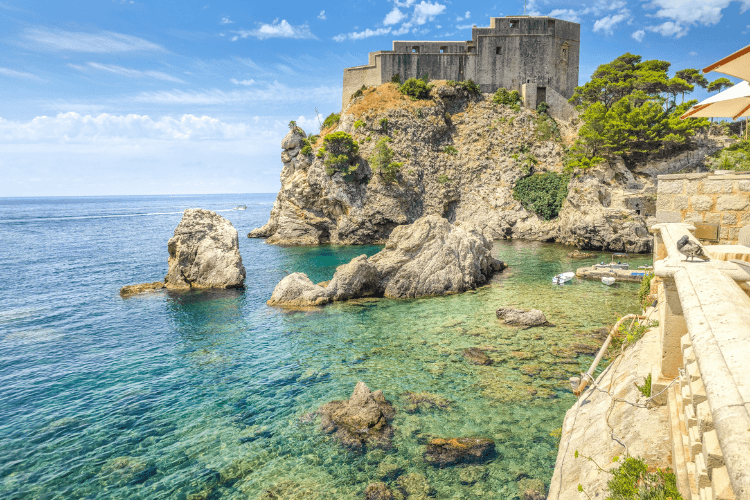
Fort Lovrijenac sits dramatically on a rocky outcrop just beyond Dubrovnik's western walls. Built high above the sea, the fortress historically helped defend the city from threats approaching both land and water.
The climb provides excellent views back towards the Old Town, particularly across the walls and towards Bokar Fortress. Inside, visitors can explore thick defensive walls, stone terraces and spaces that show how strategically important the site once was.
Film and television fans may recognise the location from Game of Thrones, but the fortress is worth visiting even without that connection because of its setting and historical importance.
Insider tip: Wear comfortable shoes. Reaching the entrance involves a significant number of stone steps.
6. Spend the day on Lokrum Island
Location / Neighborhood: Offshore from Dubrovnik
Best For: Swimming, couples, families and nature
Estimated Time Needed: Half day
Cost / Entry: Ferry and island admission
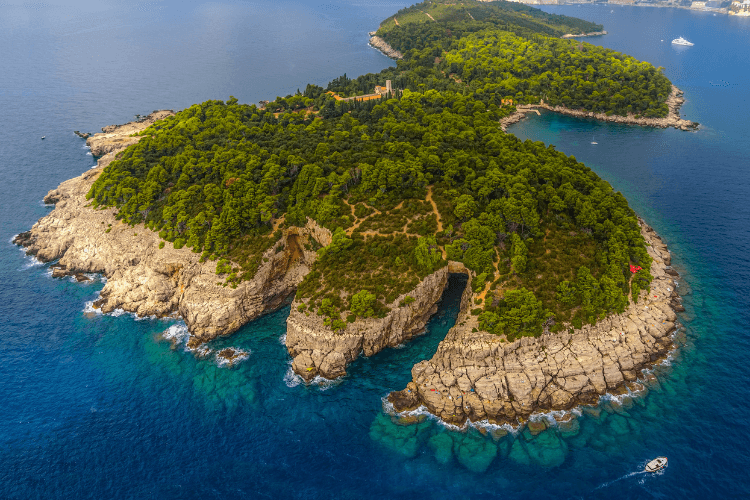
Lokrum gives you an easy escape from Dubrovnik's busiest streets without requiring a full day of travelling. Boats make the short journey from the city to an island covered in trees, walking routes, historic remains and rocky places to swim.
The island is particularly useful if you are spending several days in Dubrovnik and want to mix sightseeing with a slower afternoon outdoors. Explore the former monastery, wander through botanical areas or simply find a spot beside the sea and enjoy the quieter setting.
Because Lokrum is so close to Dubrovnik, it also works well for families who want an island experience without dealing with a long ferry journey.
Insider tip: Take water and proper footwear if you plan to explore beyond the main landing area.
Staying in southern Croatia? Explore our villas in Dubrovnik.
Things to do in Croatia: Split and Central Dalmatia
7. Explore Diocletian's Palace
Location / Neighborhood: Split Old Town
Best For: History, architecture and first-time visitors
Estimated Time Needed: 2–4 hours
Cost / Entry: Free to explore; some attractions charge admission
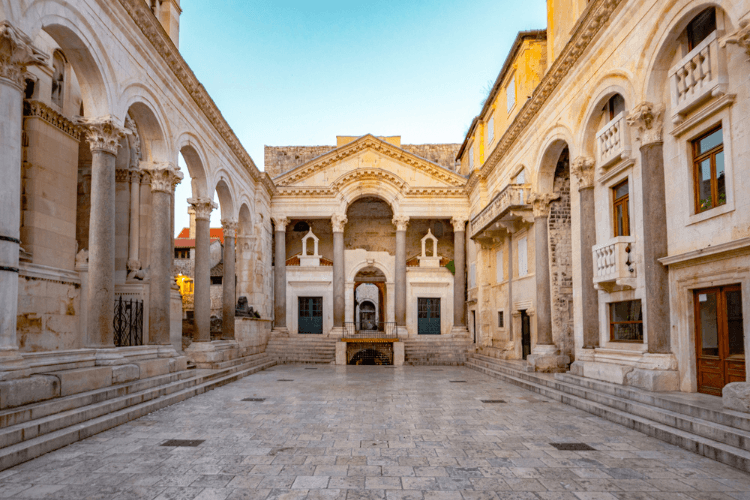
Diocletian's Palace forms the historic heart of Split, but it is unlike a conventional palace attraction. Rather than being preserved as a single museum, the Roman complex has gradually become part of the modern city, with shops, cafés, apartments and restaurants built into its ancient walls.
Start around the Peristyle before exploring the narrow passageways, old gateways and underground cellars. Some streets suddenly open into tiny squares, while others reveal fragments of Roman columns or medieval architecture incorporated into later buildings.
The combination of archaeology and everyday city life is what makes the palace so interesting. It feels like a neighbourhood built through centuries rather than a historical site frozen in time.
Insider tip: Return after dark when the stone streets are illuminated and the busiest sightseeing groups have gone.
8. Climb the Cathedral of Saint Domnius bell tower
Location / Neighborhood: Split Old Town
Best For: Views, architecture and active sightseeing
Estimated Time Needed: Around 1 hour
Cost / Entry: Paid admission
The Cathedral of Saint Domnius stands within the heart of Diocletian's Palace and is one of Split's most distinctive landmarks. Visitors who climb its bell tower are rewarded with panoramic views across the Old Town, Riva, harbour and surrounding hills.
The climb can feel steep and exposed, particularly towards the upper levels, but the changing views make it worthwhile for anyone comfortable with heights. From above, you can clearly see how the tightly packed historic centre sits between Marjan Hill and the waterfront.
It also provides a useful contrast to walking Split at street level, where the density of the old buildings can make it difficult to appreciate the city's layout.
Insider tip: Visit earlier in the day if you want to avoid climbing during the hottest part of a summer afternoon.
9. Walk along the Riva
Location / Neighborhood: Split waterfront
Best For: Everyone
Estimated Time Needed: 1–2 hours
Cost / Entry: Free
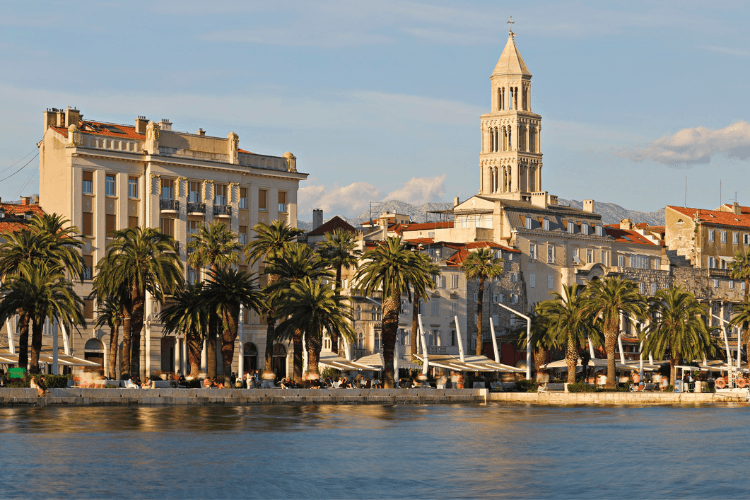
Split's Riva is the city's main waterfront promenade and one of the easiest places to slow the pace after several hours of sightseeing. Palm trees, café terraces and views across the harbour make it feel completely different from the narrow streets of Diocletian's Palace immediately behind it.
During the day, you can stop for coffee while ferries and boats move through the harbour. In the evening, the promenade becomes livelier as locals and visitors head out for dinner or drinks.
It is not really an attraction that needs to be ticked off. Instead, treat it as somewhere to pass through several times during your stay, particularly at the beginning or end of the day.
Insider tip: Visit after sunset for a cooler and more relaxed walk along the waterfront.

10. Hike around Marjan Hill
Location / Neighborhood: Split
Best For: Walking, viewpoints and active travellers
Estimated Time Needed: 2–4 hours
Cost / Entry: Free
Marjan Hill provides a welcome green escape from Split's compact historic centre. Pine-covered walking routes climb above the city, leading to viewpoints, old churches and quieter sections of coastline where you can feel surprisingly far removed from the busy streets around Diocletian's Palace.
The area is large enough to suit different levels of activity. A shorter walk can focus on viewpoints close to the city, while a longer outing can continue farther around the peninsula and towards beaches such as Kašjuni.
Spring and early autumn are particularly good for walking here, but summer visits are still enjoyable if you start early enough.
Insider tip: Take swimming gear and finish your walk at one of the beaches around the peninsula.
11. Relax at Kašjuni Beach
Location / Neighborhood: Marjan Peninsula, Split
Best For: Swimming, couples and beach days
Estimated Time Needed: 2–4 hours
Cost / Entry: Free
Kašjuni Beach is a good reminder that a stay in Split can combine city sightseeing with proper time beside the Adriatic. Set beneath the slopes of Marjan, the beach feels far more peaceful than its relatively close proximity to the centre would suggest.
The shoreline is pebbly rather than sandy, but the water is typically clear and inviting for swimming. It is an especially useful stop after walking or cycling around Marjan because you can cool off before heading back into the city.
Arrive early during peak summer if you want a quieter section of the beach, as it becomes increasingly popular through the afternoon.
Insider tip: Water shoes make getting into and out of the sea much easier on Croatia's pebble beaches.

12. Explore Trogir Old Town
Location / Neighborhood: Trogir
Best For: History, architecture, couples and day trips
Estimated Time Needed: 2–4 hours
Cost / Entry: Free to explore
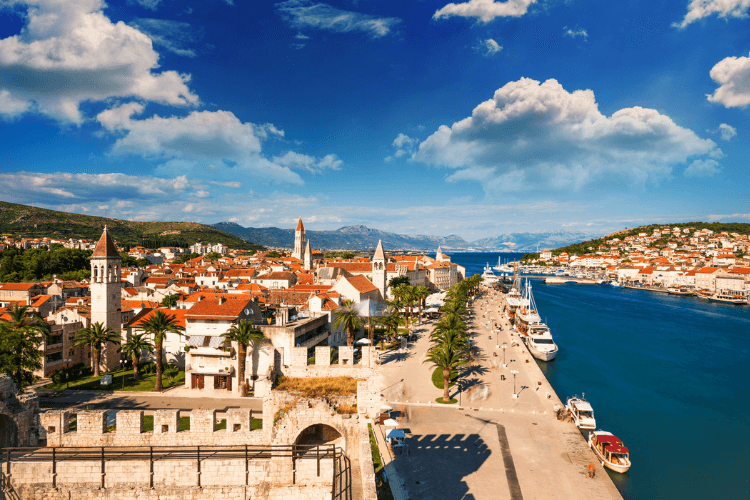
Trogir's historic centre is small enough to explore comfortably in half a day yet packed with enough character to justify a dedicated visit. Stone lanes, medieval buildings, small squares and waterfront cafés occupy a compact island connected to the mainland by bridges.
Take time to explore around the Cathedral of St Lawrence before wandering without a strict route. Because the centre is so compact, it is difficult to get truly lost, and the waterfront is never far away.
Trogir works particularly well as a day trip from Split or as part of a broader itinerary along the central Dalmatian coast.
Insider tip: Stay into early evening when the waterfront becomes more relaxed and daytime tour groups begin to leave.
13. Visit Krka National Park
Location / Neighborhood: Šibenik region
Best For: Nature, families, walking and photography
Estimated Time Needed: Half day to full day
Cost / Entry: Paid admission
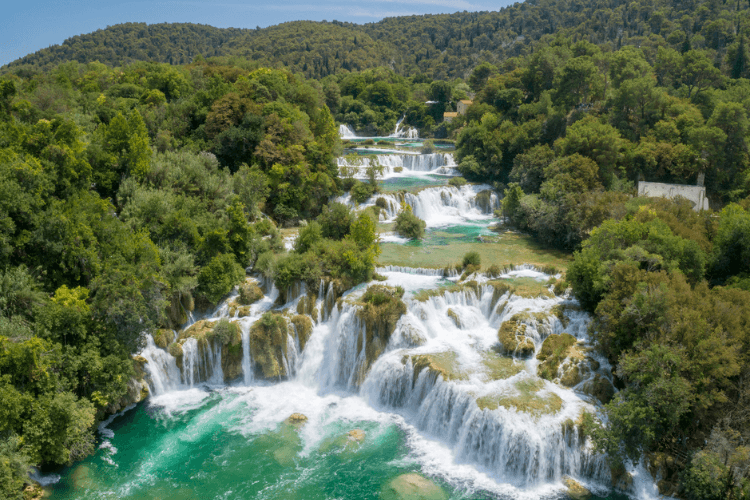
Krka National Park is one of Croatia's most impressive natural attractions, combining river scenery, woodland, historic sites and a series of waterfalls. Skradinski Buk is the most famous part of the park, with water cascading through multiple levels surrounded by lush vegetation.
However, Krka extends far beyond a single waterfall viewpoint. Walking routes, historic monasteries and seasonal boat journeys allow visitors to experience more of the landscape if they dedicate a full day.
The park is especially popular during summer, when arriving early can make a significant difference to the experience.
Swimming rules have changed over time and are restricted in protected areas, so visitors should always follow current park guidance.
Insider tip: Do not rush directly back after seeing Skradinski Buk. Give yourself time to explore beyond the busiest section.
14. Explore Šibenik
Location / Neighborhood: Šibenik
Best For: History, architecture and food
Estimated Time Needed: Half day
Cost / Entry: Free to explore
Šibenik offers a quieter alternative to Croatia's better-known historic cities while still providing impressive architecture, stone streets and sea views. The Cathedral of St James is the city's headline landmark, but the old centre is equally rewarding to explore at a slower pace.
Steep lanes climb away from the waterfront towards fortifications above the city, creating plenty of opportunities for viewpoints and hidden corners. Because Šibenik attracts fewer visitors than Split or Dubrovnik, it can feel more relaxed even during the main summer season.
It is also well placed for combining with Krka National Park, allowing travellers to pair natural scenery and historic sightseeing within the same part of Dalmatia.
Insider tip: Wear comfortable shoes because much of the historic centre involves slopes, steps and polished stone streets.

Things to do in Croatia: Hvar and the Dalmatian Islands
15. Explore Hvar Town
Location / Neighborhood: Hvar Island
Best For: Couples, groups, nightlife and history
Estimated Time Needed: Half day
Cost / Entry: Free
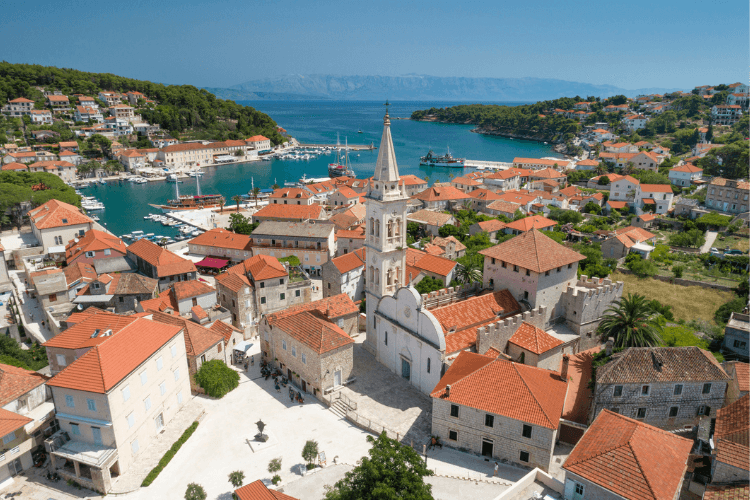
Hvar Town is one of Croatia's best-known island destinations, combining an attractive historic centre with a busy harbour, restaurants, bars and easy access to the surrounding islands.
Start around St Stephen's Square before exploring the narrow lanes climbing away from the waterfront. During the day, the harbour is filled with boats arriving and departing for beaches and neighbouring islands. By evening, the focus shifts towards restaurants, cocktail bars and nightlife.
Despite its glamorous reputation, Hvar still rewards slower exploration. Old stone buildings, quiet lanes and churches sit just a few minutes away from the busier waterfront.
Insider tip: Explore the centre in the morning, head to the water during the afternoon and return after sunset for Hvar's livelier evening atmosphere.
16. Climb to Fortica Fortress
Location / Neighborhood: Hvar Town
Best For: Views, history and photography
Estimated Time Needed: 1–2 hours
Cost / Entry: Admission may apply
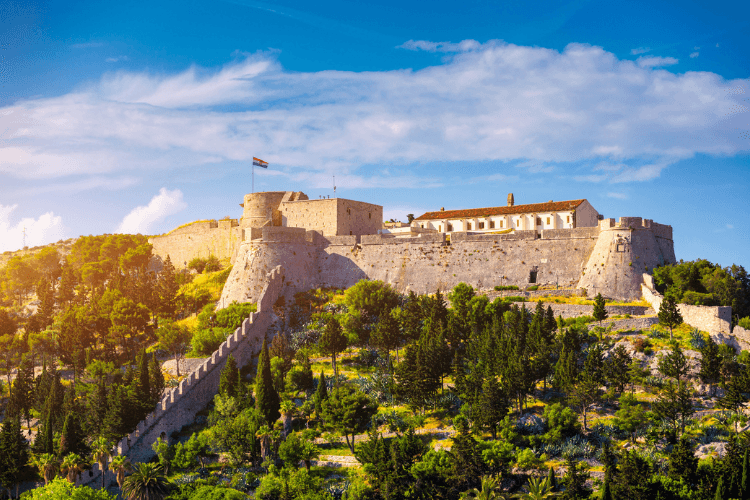
Fortica Fortress rises above Hvar Town and provides one of the best views anywhere on the island. From its elevated position, you can look down over the harbour, old stone rooftops and the Pakleni Islands scattered across the Adriatic.
Part of the appeal is the journey upward. The route leaves the busy waterfront and climbs through quieter streets before reaching the hillside above town.
Once at the fortress, explore the historic defensive structure as well as the viewpoints. The location becomes particularly attractive towards late afternoon when the light begins to soften across the islands.
Insider tip: Avoid climbing in the middle of a hot summer day. Morning or late afternoon is much more comfortable.
17. Sail around the Pakleni Islands
Location / Neighborhood: Offshore from Hvar
Best For: Swimming, couples, groups and boating
Estimated Time Needed: Half day to full day
Cost / Entry: Boat hire or excursion
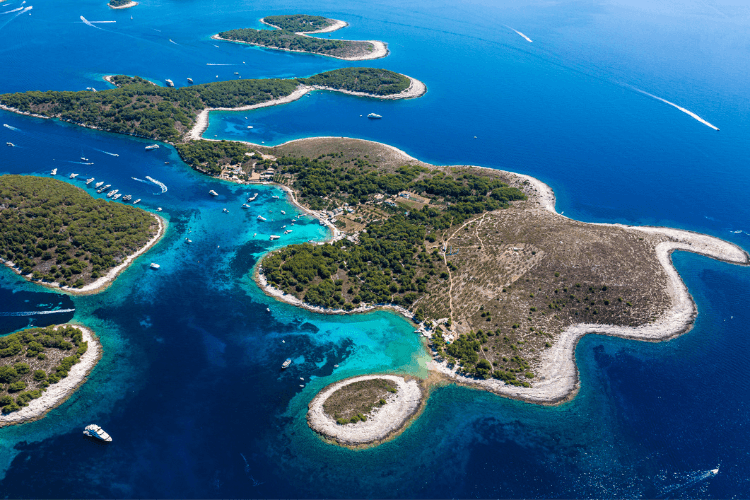
The Pakleni Islands lie immediately off Hvar Town and are perfect for travellers who want an island-hopping experience without spending most of the day travelling long distances.
Boat trips can combine sheltered coves, clear swimming spots, small beaches and waterfront restaurants. A private boat offers greater flexibility, particularly if you would rather search for quieter bays than follow the busiest excursion routes.
The islands also look very different from Hvar itself, with their deeply indented coastline creating numerous protected swimming areas.
Insider tip: Do not try to visit every island. Choose two or three good swimming and lunch stops and spend longer at each.
18. Spend the day at Zlatni Rat
Location / Neighborhood: Bol, Brač
Best For: Beaches, swimming and water sports
Estimated Time Needed: Half day to full day
Cost / Entry: Free
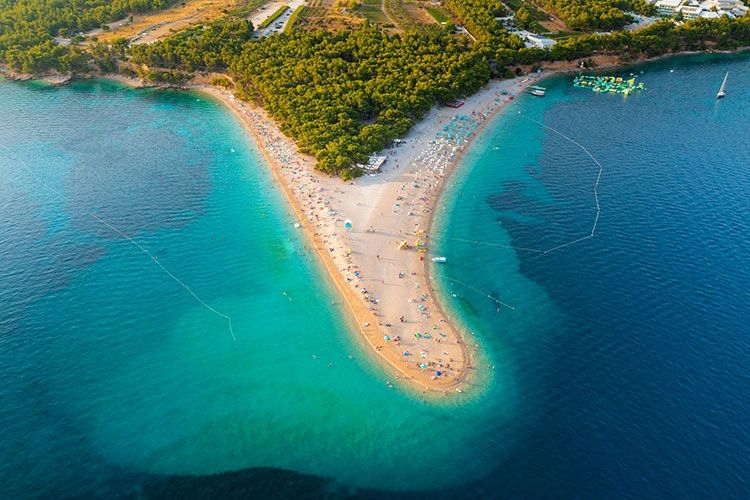
Zlatni Rat is one of the most photographed beaches in Croatia, famous for the long pebble spit extending into the Adriatic near Bol. Its shape can change subtly with currents, wind and waves, making it look slightly different from one visit to another.
The beach is large enough to accommodate swimming, sunbathing and water sports, while shaded areas behind the shoreline offer relief from the summer sun.
Conditions become breezier later in the day, which helps explain why Bol is also known for windsurfing.
Insider tip: Walk farther along the beach before settling down. The busiest areas are often those closest to the main access points.
19. Try windsurfing in Bol
Location / Neighborhood: Bol, Brač
Best For: Water sports and active travellers
Estimated Time Needed: 2–4 hours
Cost / Entry: Equipment hire or lesson fees
Bol's predictable summer breezes have helped establish the area as one of Croatia's best-known windsurfing destinations. The conditions tend to build during the day, giving both beginners and experienced riders opportunities to get out onto the water.
First-time visitors can arrange lessons that introduce the basics in a much more controlled way than simply hiring equipment independently. Experienced windsurfers can take advantage of stronger afternoon conditions around Zlatni Rat.
It is an excellent way to add some activity to an otherwise relaxed Brač beach day and provides a very different perspective of the coastline.
Insider tip: Beginners should choose a lesson earlier in the day when conditions may be gentler.

20. Visit the Blue Cave
Location / Neighborhood: Biševo Island
Best For: Natural attractions and boat trips
Estimated Time Needed: Usually part of a full-day excursion
Cost / Entry: Excursion and cave admission may apply
The Blue Cave near Vis is famous for the intense blue light created when sunlight enters through an underwater opening and reflects through the cave.
Most visitors arrive as part of a wider island-hopping excursion, which is the best way to approach the experience. Access depends on sea conditions, and visits inside the cave itself are relatively short, so combining it with swimming coves, islands and lunch stops makes the day much more worthwhile.
Weather and timing affect the intensity of the light, meaning no two visits look exactly the same.
Insider tip: Book a tour with several additional stops so the entire day does not depend on whether the cave is accessible.

21. Explore Vis Town
Location / Neighborhood: Vis Island
Best For: Couples, food and quieter island stays
Estimated Time Needed: Half day
Cost / Entry: Free
Vis Town offers a much slower island experience than Hvar. Built around a natural harbour, it combines historic buildings, restaurants, waterfront walks and easy access to small beaches without the same level of nightlife or crowds.
The town is divided into several historic neighbourhoods that have gradually grown together around the bay, so it rewards a leisurely walk rather than a quick visit to one specific landmark.
Stay into the evening when restaurants begin serving seafood and local dishes overlooking the harbour. Vis Town also makes an excellent base for exploring vineyards, beaches and military sites elsewhere on the island.
Insider tip: Leave time for dinner. Food and wine are a major part of the Vis experience.

22. Explore Vis's military tunnels
Location / Neighborhood: Vis Island
Best For: History and unusual experiences
Estimated Time Needed: Half day
Cost / Entry: Guided tour recommended
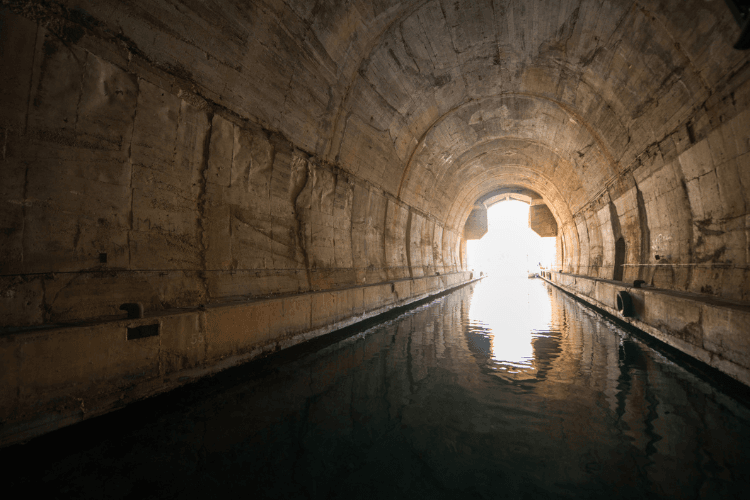
Vis has an unusual modern history that sets it apart from Croatia's other major islands. For decades, its strategic position meant much of the island was used for military purposes, leaving behind bunkers, tunnels, shelters and installations hidden within the landscape.
Guided tours provide the context needed to understand these sites and may include former command areas, underground complexes and submarine tunnels carved into the coastline.
The experience is very different from Croatia's familiar beaches and medieval towns, making it particularly worthwhile for travellers looking for something less conventional.
Insider tip: Take a guided tour rather than exploring independently. The history behind the sites is what makes them genuinely interesting.
23. Visit Stiniva Cove
Location / Neighborhood: Vis Island
Best For: Swimming, scenery and boat trips
Estimated Time Needed: 2–4 hours
Cost / Entry: Free; transport varies
Stiniva Cove is enclosed by towering cliffs that almost meet at the entrance to the sea, creating one of the most dramatic coastal settings on Vis.
The small beach can be reached either by boat or by descending a steep path from inland. The land route is scenic but demanding, particularly in hot weather, so many visitors prefer arriving from the water.
Because the cove is relatively small, it can feel crowded during peak summer despite its isolated appearance. Early visits generally provide the most peaceful experience.
Insider tip: If arriving on foot, wear proper shoes rather than attempting the steep descent in beach sandals.
24. Explore Korčula Old Town
Location / Neighborhood: Korčula Island
Best For: Couples, history, food and island stays
Estimated Time Needed: Half day
Cost / Entry: Free
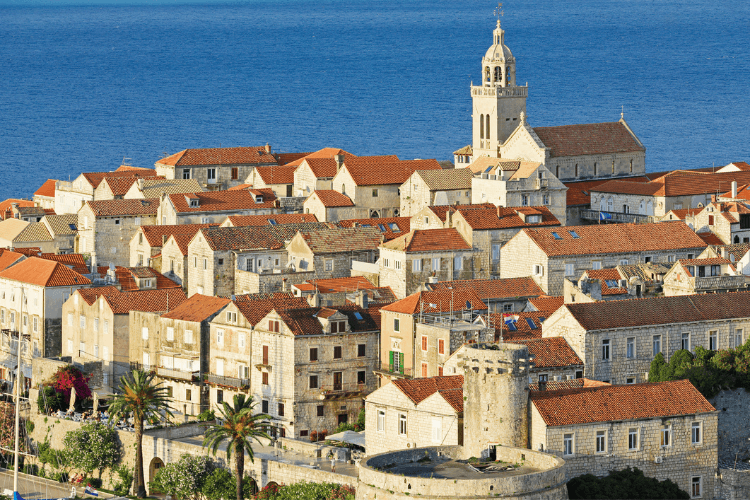
Korčula Old Town sits on a compact peninsula surrounded on three sides by the Adriatic. Historic walls, churches, stone lanes and waterfront restaurants make it one of Croatia's most attractive smaller island towns.
Its distinctive street plan was designed to help manage sun and wind, and exploring the narrow lanes reveals restaurants, artisan shops and small viewpoints around almost every corner.
The centre is compact enough to cover in a few hours, but rushing defeats the point. Stay for lunch or dinner and spend time beside the water rather than treating Korčula as another sightseeing checklist.
Insider tip: Evening is particularly atmospheric once day-trippers begin leaving the island.
25. Taste wine on Korčula
Location / Neighborhood: Korčula Island
Best For: Couples and food-and-wine trips
Estimated Time Needed: Half day
Cost / Entry: Tastings vary
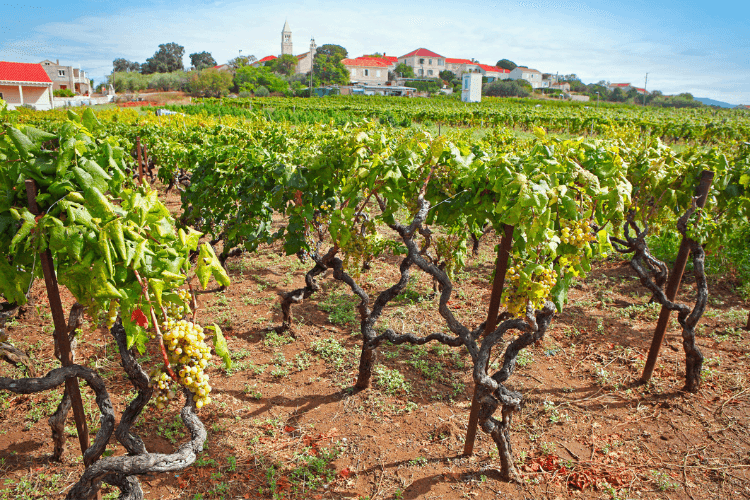
Korčula has a strong winemaking tradition, particularly around indigenous white grape varieties grown in different parts of the island.
A winery visit takes you away from the busier coastal settlements and into landscapes of vineyards, small villages and stone walls. Tastings often introduce visitors to wines they are unlikely to encounter regularly outside Croatia, making the experience useful for both serious wine lovers and casual visitors.
Wine tours can also be paired with local food, beaches or a wider drive around the island, creating an easy half-day itinerary.
Insider tip: Arrange a driver or organised tour if everyone in your group wants to take part in the tasting.
Things to do in Croatia: Zadar and Northern Dalmatia
26. Listen to Zadar's Sea Organ
Location / Neighborhood: Zadar waterfront
Best For: Couples, families and unusual attractions
Estimated Time Needed: 30–60 minutes
Cost / Entry: Free
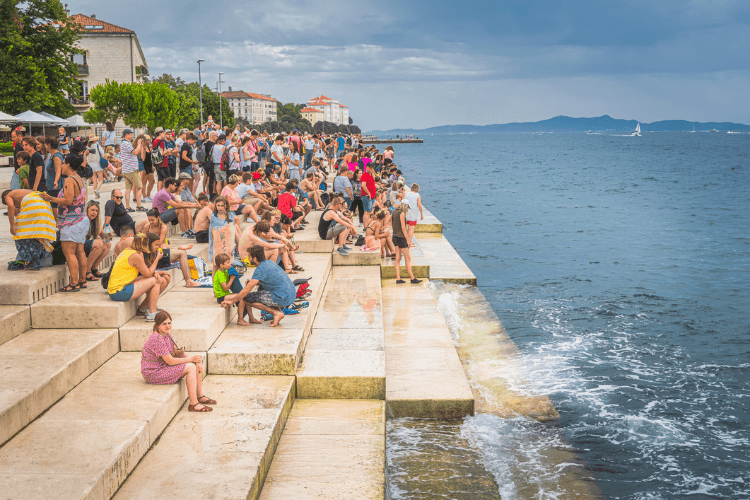
Zadar's Sea Organ turns the movement of the Adriatic into constantly changing music. A series of pipes beneath the waterfront steps responds to waves and air pressure, producing sounds that shift according to the conditions.
There is no performance schedule because the sea effectively controls the instrument. On calmer days the tones can be gentle and spaced apart, while stronger waves create a much more active sound.
Visitors can sit directly on the steps, making this one of Croatia's easiest attractions to enjoy without tickets, queues or a strict timetable.
Insider tip: Visit shortly before sunset and stay afterwards for the neighbouring Greeting to the Sun installation.
27. See the Greeting to the Sun
Location / Neighborhood: Zadar waterfront
Best For: Families, couples and evening walks
Estimated Time Needed: Around 30 minutes
Cost / Entry: Free
The Greeting to the Sun is located beside Zadar's Sea Organ and comes into its own once daylight begins to fade.
Solar panels embedded within a large circular installation collect energy during the day before creating changing patterns of light after dark. Families often gather around the display, while the open waterfront location makes it easy to combine with a sunset walk.
The attraction works best as part of a wider evening in Zadar rather than a dedicated trip on its own.
Insider tip: Arrive before sunset so you can experience the waterfront changing gradually from daylight into the illuminated evening display.
28. Explore Zadar Old Town
Location / Neighborhood: Zadar
Best For: History, food and culture
Estimated Time Needed: Half day
Cost / Entry: Free to explore
Zadar's historic centre combines Roman ruins, medieval churches and modern waterfront installations within a compact peninsula that is easy to explore on foot.
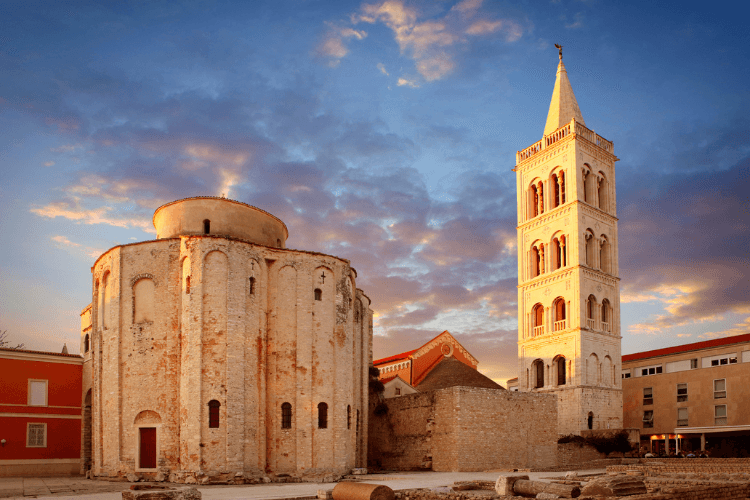
The Roman Forum and Church of St Donatus are among the most recognisable landmarks, but walking the surrounding streets reveals cafés, markets, small squares and traces of the city's long history.
Zadar feels more relaxed than Dubrovnik and Split, making it particularly appealing for visitors who want a historic coastal city without the same level of summer crowds.
Finish at the waterfront for the Sea Organ and sunset.
Insider tip: Allow enough time to stay into the evening rather than visiting Zadar only as a daytime stop.
29. Sail through Kornati National Park
Location / Neighborhood: Kornati archipelago
Best For: Sailing, swimming and scenery
Estimated Time Needed: Full day
Cost / Entry: Boat excursion required
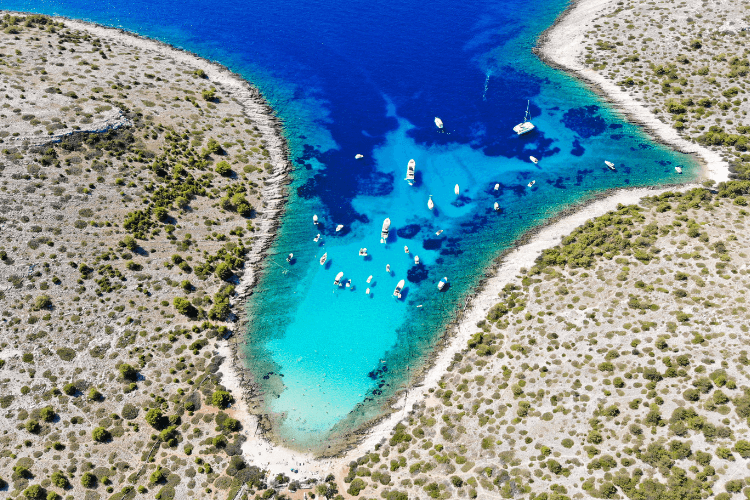
The Kornati archipelago creates one of the most distinctive landscapes along Croatia's coast. Numerous rocky islands, clear channels and largely undeveloped shorelines stretch across the Adriatic, making the area best appreciated from a boat.
Day excursions typically combine cruising with swimming stops and lunch, while smaller vessels can often reach quieter parts of the archipelago than larger tour boats.
Unlike Hvar or Brač, the appeal here is not nightlife or historic towns. Kornati is primarily about open water, unusual island scenery and the feeling of moving through a remote maritime landscape.
Insider tip: Choose a smaller excursion boat if you value swimming time and flexibility over onboard facilities.
30. Visit Dugi Otok and Sakarun Beach
Location / Neighborhood: Dugi Otok
Best For: Beaches, families and quieter island days
Estimated Time Needed: Full day
Cost / Entry: Ferry or boat costs
Dugi Otok offers a quieter, more rugged island experience than many of Croatia's best-known destinations. Its long shape includes villages, cliffs, coves and beaches, with Sakarun among the most famous.
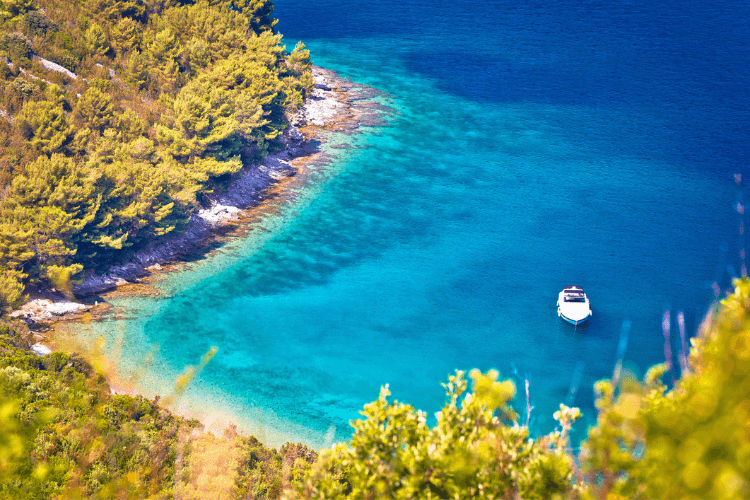
Sakarun is known for pale pebbles and sand-like material beneath shallow turquoise water, creating a different look from many Croatian beaches. However, Dugi Otok deserves to be explored beyond one shoreline.
If travelling independently, combine the beach with viewpoints, villages or other sections of the island so the journey feels like a full island day rather than a simple beach transfer.
Insider tip: Having your own transport makes exploring Dugi Otok considerably easier once you arrive.
Things to do in Croatia: Istria highlights
31. Wander through Rovinj
Location / Neighborhood: Rovinj
Best For: Couples, photographers and food lovers
Estimated Time Needed: Half day
Cost / Entry: Free
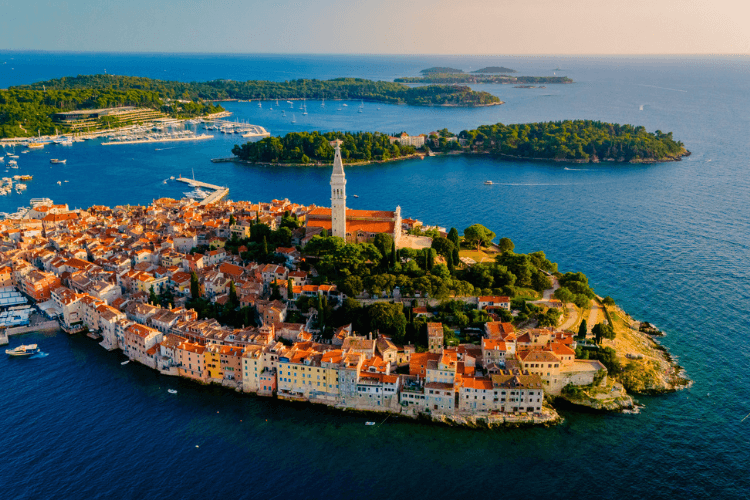
Rovinj is one of Croatia's most attractive coastal towns, with colourful buildings clustered tightly around a historic centre rising above the Adriatic.
Begin near the waterfront before winding through increasingly narrow stone streets towards the Church of St Euphemia. Along the way, you will pass small galleries, boutiques, restaurants and glimpses of the sea between buildings.
The climb is gradual but the old streets can be polished and slippery, so good footwear helps.
After reaching the top, return towards the harbour for dinner or stay until sunset when the warm light across the waterfront makes Rovinj particularly photogenic.
Insider tip: Give yourself time to wander without a route. Rovinj is better explored slowly than through a checklist of landmarks.
32. Explore Pula Arena
Location / Neighborhood: Pula
Best For: Roman history, architecture and families
Estimated Time Needed: 1–2 hours
Cost / Entry: Paid admission
Pula Arena is one of the best-preserved Roman amphitheatres in the region and immediately gives Pula a completely different character from Croatia's medieval coastal towns.
Walking around the exterior gives you a sense of the structure's scale, but entering allows you to stand within the arena itself and better understand how the site would once have functioned.
Pula also contains additional Roman landmarks scattered around the city, so it is worth continuing beyond the amphitheatre rather than leaving immediately afterwards.
During summer, the Arena is occasionally used for concerts and events, bringing the ancient space back to life in a completely different way.
Insider tip: Check the event calendar before travelling because performances can sometimes affect visitor access.

33. Go truffle hunting
Location / Neighborhood: Inland Istria
Best For: Food lovers, couples and autumn trips
Estimated Time Needed: 2–4 hours
Cost / Entry: Guided experience
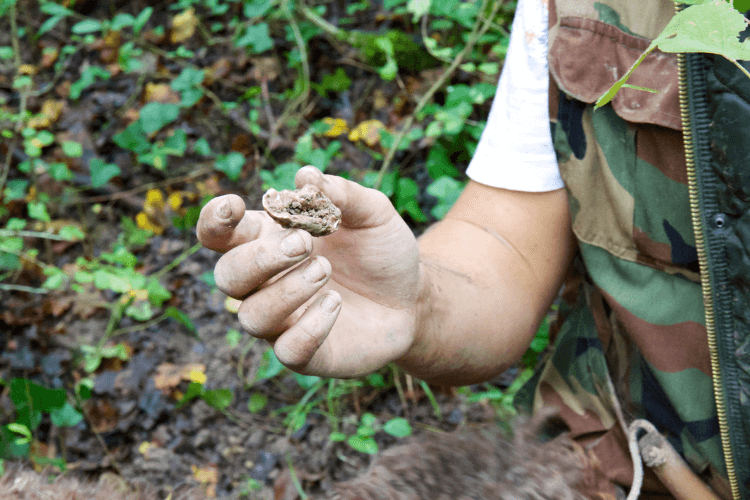
Istria's forests are famous for both black and white truffles, and joining a guided hunt allows visitors to understand how these highly prized ingredients are actually found.
Experienced hunters typically head into woodland with trained dogs, explaining how the animals identify truffles hidden underground and how the landscape influences where they grow.
The best experiences continue afterwards with a tasting or meal, allowing you to compare different truffle products rather than simply observing the hunt.
It is a particularly good activity for travellers looking to explore Croatia beyond beaches and historic towns.
Insider tip: Choose an experience that includes food afterwards. The tasting is an important part of understanding why Istrian truffles are so valued.
34. Visit Motovun
Location / Neighborhood: Inland Istria
Best For: Couples, views and road trips
Estimated Time Needed: 2–3 hours
Cost / Entry: Mostly free
Motovun rises above the Istrian countryside from a hilltop surrounded by forests and vineyards. The elevated old town contains stone lanes, historic walls and viewpoints stretching across the surrounding valley.
The drive inland immediately shows a different side of Croatia from the coast, with rolling countryside replacing beaches and marinas.
Motovun is compact, so it works best as part of a broader Istria day rather than an isolated excursion. Combine it with a nearby winery, truffle experience or countryside restaurant.
Insider tip: Visit earlier or later in the day during summer, when walking uphill through the old streets is more comfortable.

35. Go wine tasting in Istria
Location / Neighborhood: Istrian countryside
Best For: Couples, groups and food lovers
Estimated Time Needed: Half day
Cost / Entry: Tasting fees vary
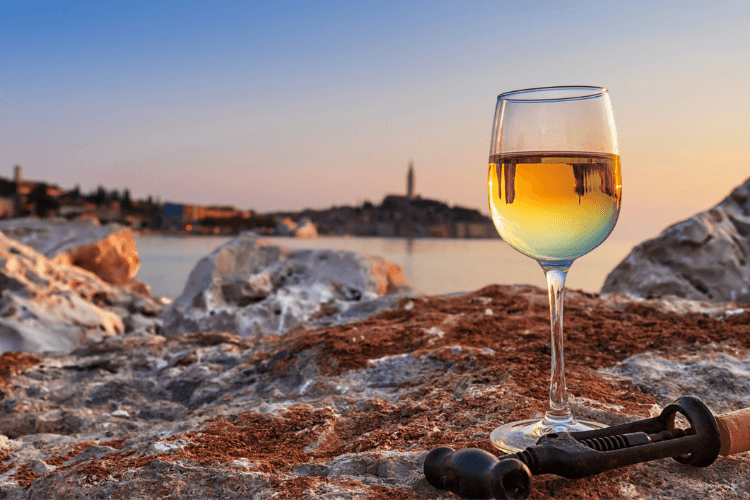
Istria is one of Croatia's most interesting wine regions, with vineyards spread across rolling countryside between hilltop towns and the Adriatic coast.
Local producers are particularly associated with Malvazija Istarska and Teran, although tastings often introduce visitors to a broader range of Croatian wines.
Visiting a winery also gives you a reason to explore inland Istria, where the atmosphere is completely different from busy coastal resorts. Some estates combine tastings with olive oil, cheese and other regional products.
Insider tip: Two or three wineries with a long lunch usually make for a better day than trying to squeeze in as many tastings as possible.
36. Taste Istrian olive oil
Location / Neighborhood: Istria
Best For: Food lovers and couples
Estimated Time Needed: 1–2 hours
Cost / Entry: Tasting fees vary
Olive oil is an important part of Istrian food culture, and producer visits provide an opportunity to understand the differences between oils that can be difficult to appreciate when simply ordering a meal.
Guided tastings explain how olives are harvested and pressed, how varieties influence flavour and what distinguishes high-quality extra virgin olive oil.
Many producers are based in attractive countryside settings, making an olive-oil stop easy to combine with wineries, hill towns or a leisurely lunch.
It is a quieter activity than many of Croatia's headline attractions, but one that adds real depth to a food-focused Istria itinerary.
Insider tip: Ask how to taste the oil properly rather than immediately dipping bread into everything.
37. Spend the day at Aquapark Istralandia
Location / Neighborhood: Near Novigrad
Best For: Families, children and teenagers
Estimated Time Needed: Half day to full day
Cost / Entry: Paid admission
Istralandia provides a full day designed around pools, slides and water-based entertainment, making it an easy win for families staying in Istria.
The range of attractions means younger children and teenagers can usually find something appropriate without the entire family having to stay together all day. It also provides a useful break from a sightseeing-heavy itinerary filled with historic towns and road trips.
During peak summer, the park can become busy, particularly around the most popular slides, so arriving near opening time gives families more opportunity to explore before queues build.
Insider tip: Treat it as a full family day and build in a proper lunch and rest period rather than racing between slides continuously.

Best outdoor and adventure things to do in Croatia
38. Visit Plitvice Lakes National Park
Location / Neighborhood: Central Croatia
Best For: Nature, walking, families and photography
Estimated Time Needed: Full day
Cost / Entry: Paid admission
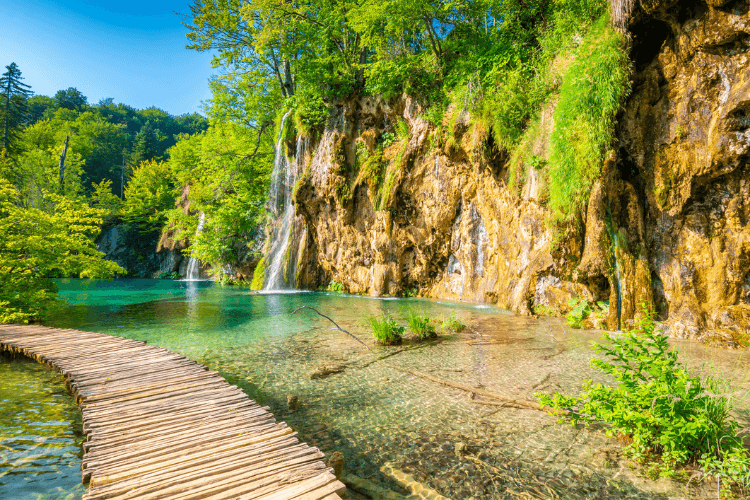
Plitvice Lakes is one of Croatia's most extraordinary landscapes, with a system of lakes connected by waterfalls and surrounded by dense forest.
Wooden boardwalks and walking trails lead visitors beside and across the water, while boat and shuttle sections help connect different parts of the park. The colour of the lakes can vary dramatically according to light, minerals and weather, ranging from deep blue to bright turquoise and green.
Because the park is large, choose a route that realistically fits your available time rather than rushing through the longest option.
Swimming is prohibited, so Plitvice should be treated as a hiking and sightseeing destination.
Insider tip: Book an early entry slot during peak summer for cooler conditions and quieter boardwalks.
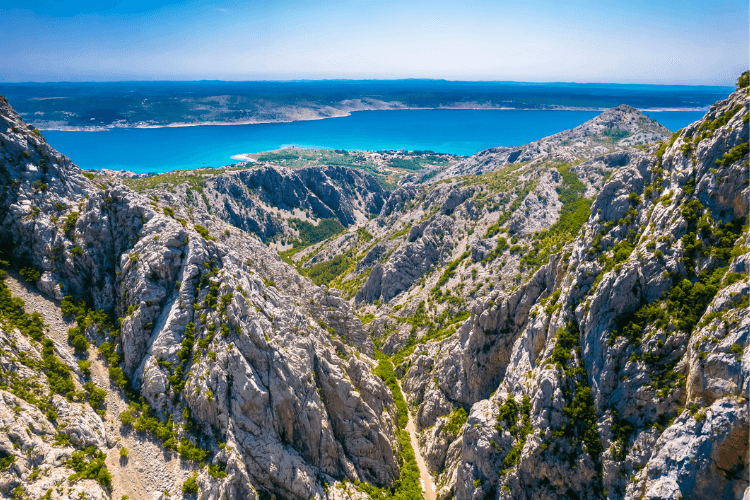
39. Hike Paklenica National Park
Location / Neighborhood: Velebit mountain area
Best For: Hiking, climbing and outdoor adventures
Estimated Time Needed: Half day to full day
Cost / Entry: National park admission
Paklenica introduces a very different side of Croatia, replacing beaches and islands with dramatic limestone canyons, mountain paths and rugged landscapes.
The park has routes suitable for casual walkers as well as far more demanding hikes that climb deeper into the Velebit range. It is also internationally known among rock climbers, with routes covering different levels of difficulty.
Even a shorter walk through the main canyon provides a striking contrast to days spent on the coast, particularly when cliffs rise steeply on either side of the trail.
Insider tip: Bring more water than you think you will need and wear proper walking footwear. This is genuine mountain terrain.
40. Raft the Cetina River
Location / Neighborhood: Near Omiš
Best For: Adventure, groups and families with older children
Estimated Time Needed: Half day
Cost / Entry: Guided activity
The Cetina River cuts through dramatic countryside behind Omiš and provides one of Croatia's best-known rafting experiences.
Guided trips move through a mixture of calm sections and faster water, with forested canyon scenery surrounding much of the route. Exact conditions vary according to season and water levels, which means trips can feel different throughout the year.
Rafting works particularly well for families with older children or groups looking to add something more active between beach and sightseeing days.
It also allows you to experience inland Dalmatia rather than spending an entire trip along the coastline.
Insider tip: Check minimum ages and current river conditions with the operator before booking for a family.

41. Zipline above the Cetina Canyon
Location / Neighborhood: Omiš
Best For: Adventure seekers and teenagers
Estimated Time Needed: 2–3 hours
Cost / Entry: Paid activity
Ziplining above the Cetina Canyon combines impressive scenery with one of the most adrenaline-focused experiences in the Omiš area.
Routes generally use a sequence of lines rather than one single crossing, allowing participants to move gradually through different sections of the canyon. Some lines provide broad views over the river and rocky landscape far below.
Safety briefings and professional supervision are an important part of the experience, making it accessible even to many first-time zipliners.
It can be combined with rafting or sightseeing in Omiš if you want to dedicate an entire day to the Cetina area.
Insider tip: Anyone genuinely uncomfortable with heights should check the route before booking rather than assuming every line is low or short.
42. Go sea kayaking
Location / Neighborhood: Croatian coast and islands
Best For: Active travellers, couples and older families
Estimated Time Needed: 2–4 hours
Cost / Entry: Hire or guided tour
Croatia's clear water, sheltered bays and countless islands make sea kayaking one of the easiest outdoor activities to build into a coastal stay.
Dubrovnik offers dramatic routes beneath the city walls, while Hvar, the Pakleni Islands and quieter Dalmatian destinations provide opportunities to paddle between coves, rocky coastline and beaches.
Guided tours are useful for beginners because they combine local knowledge with safety support and often include swimming or snorkelling stops.
Kayaking also lets you reach small corners of the coastline that larger excursion boats cannot easily access.
Insider tip: Choose a route with at least one swimming stop so the trip feels varied rather than like several uninterrupted hours of paddling.

43. Go snorkelling in the Adriatic
Location / Neighborhood: Throughout coastal Croatia
Best For: Families, couples and beach days
Estimated Time Needed: 1–3 hours
Cost / Entry: Usually free with your own equipment
Croatia's famously clear Adriatic water makes snorkelling an easy activity to enjoy almost anywhere along the coast.
Rocky coves and quieter island beaches often provide the best conditions, with underwater rock formations, small fish and patches of seagrass visible close to shore. The experience may not resemble a tropical coral reef, but the exceptional water clarity makes exploring enjoyable even in relatively shallow areas.
Snorkelling is also easy to combine with another attraction because it requires very little planning if you already have your own mask and snorkel.
Insider tip: Bring your own equipment if you plan to snorkel regularly. It saves repeated hire costs and allows you to stop whenever you discover a promising cove.

44. Sail the Dalmatian Coast
Location / Neighborhood: Split, Dubrovnik, Hvar and the Dalmatian islands
Best For: Families, couples and groups
Estimated Time Needed: Full day or longer
Cost / Entry: Boat excursion or charter
Sailing is one of the best ways to experience what makes Croatia's coastline distinctive. The Dalmatian Coast is broken up by islands, coves, historic ports and waterfront villages, many of which are best appreciated from the water.
From Split, you can head towards Brač, Hvar, Šolta or Vis. From Hvar, shorter trips around the Pakleni Islands are easy to arrange, while Dubrovnik provides access to the Elafiti Islands and southern Dalmatian coastline.
Private charters give families and groups much more freedom over swimming stops and lunch locations, while shared excursions provide a simpler introduction.
Insider tip: Resist itineraries trying to visit five or six islands in a single day. Fewer stops and longer swims usually create a much better experience.
Seasonal events in Croatia
Croatia hosts festivals and cultural events throughout the year, with everything from summer performances in historic coastal cities to major music festivals and colourful winter celebrations. If your dates are flexible, checking the event calendar before you book can help you build one of these experiences into your trip.
Dubrovnik Summer Festival in Dubrovnik
The Dubrovnik Summer Festival is one of the biggest cultural events in Dubrovnik, transforming historic locations across the Old Town into stages for theatre, classical music, dance and other performances.
Courtyards, fortresses and centuries-old buildings become part of the festival itself, giving visitors the chance to experience Dubrovnik's architecture in a completely different setting. Performances traditionally take place throughout the summer, particularly during July and August, when the Old Town is at its liveliest.
If you are staying in Dubrovnik during the festival, check the programme before travelling and reserve tickets for headline performances in advance.
ULTRA Europe in Split
ULTRA Europe brings one of Croatia's biggest electronic music festivals to Split, attracting visitors from across Europe and beyond for several days of live DJ sets and large-scale performances.
The festival adds an even livelier atmosphere to Split during the summer and significantly increases demand for accommodation, restaurants and transport around the city.
If you are travelling specifically for ULTRA Europe, booking your stay early is particularly important. If you are planning a more traditional sightseeing trip to Split, it is still worth checking the festival dates so you know whether your visit overlaps with the event.
Rijeka Carnival in Rijeka
The Rijeka Carnival offers a very different reason to visit Rijeka and northern Croatia outside the traditional summer season.
Costumed groups, music, street entertainment and parades build throughout the carnival period before culminating in major celebrations through the city. Elaborate costumes and large processions make it one of Croatia's most distinctive annual events.
For travellers considering Croatia during winter, Rijeka Carnival provides an opportunity to experience the country beyond its beaches and islands while also exploring the wider Kvarner region.
Summer concerts and events in Pula
Summer brings a busy programme of concerts, performances and cultural events to Pula, with the city's Roman Arena providing one of Croatia's most impressive event venues.
The amphitheatre is spectacular during an ordinary daytime visit, but seeing it illuminated and filled for a concert, festival or special performance creates an entirely different experience.
If you are staying in Istria during summer, check the current Pula events calendar before travelling. A concert at Pula Arena can be easily combined with time exploring the city's Roman landmarks, restaurants and nearby coastline.
Hvar summer events
The island of Hvar hosts a changing programme of music, cultural performances and summer events, particularly around Hvar Town.
Historic locations such as squares, churches and performance spaces provide atmospheric settings for evening concerts and cultural events, offering a quieter alternative to the island's famous beach clubs and nightlife.
If you are staying in Hvar during the main summer season, check the local events calendar before your trip. Adding a concert or cultural performance can provide a welcome contrast to days spent swimming, sailing around the Pakleni Islands or exploring the island's beaches and villages.