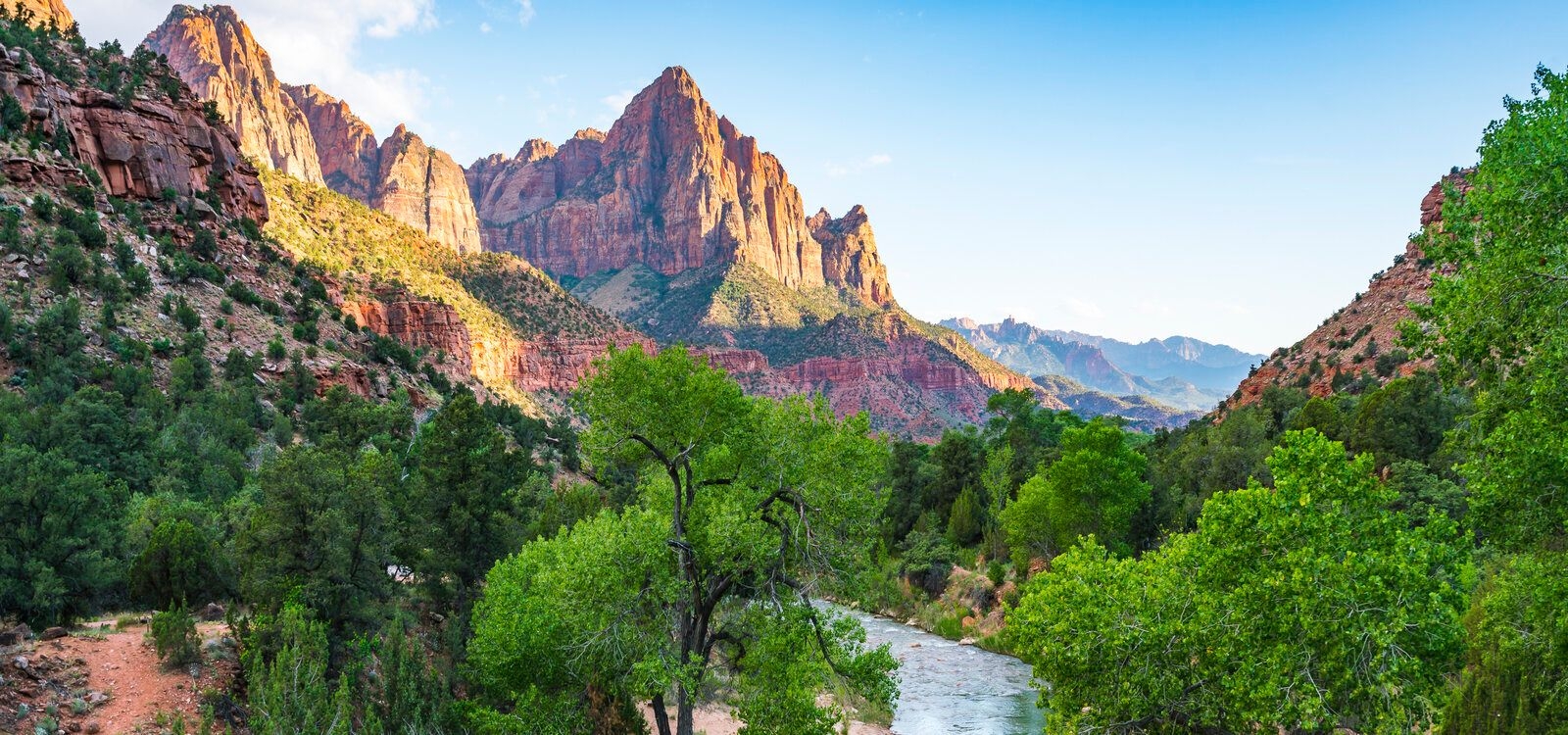
The best time to visit Utah
The best time to visit Utah is spring and fall. Read on for the best weather, crowds, and events, plus when to ski, hike, and road trip.
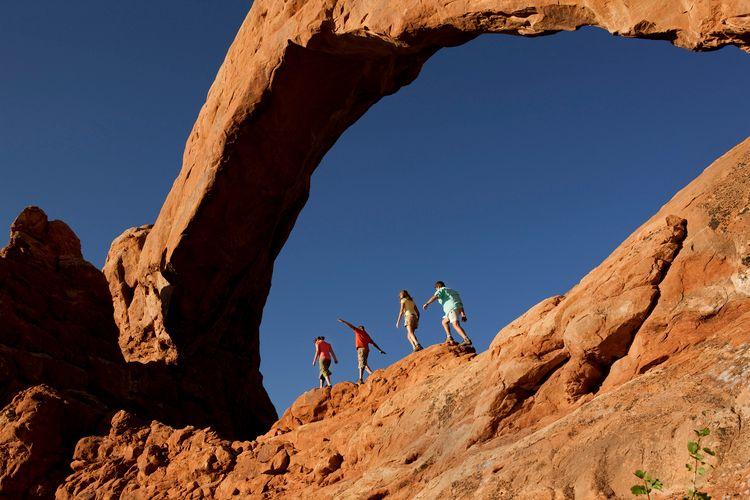
When to go to Utah for the best weather, crowds and events?
The best time to visit Utah is usually April, May, September, and October, when temperatures are more comfortable, the scenery is at its best, and the state’s national parks, cities, and mountain regions are easier to enjoy. These months are ideal for most travelers, whether you want hiking and sightseeing in Zion and Moab, a scenic road trip through the red rocks, or a relaxed city break in Salt Lake City. Winter is best for skiing and snowboarding in Park City, Deer Valley, Alta, and Snowbird, while summer is better for mountain escapes, festivals, and cooler high-elevation adventures.
If you are looking for the cheapest time to visit Utah or fewer crowds, late fall and parts of winter can offer better value outside the holiday season and peak ski weeks. Some travelers may prefer to avoid July and August in southern Utah, when desert temperatures are high and popular parks can feel busier.
In this guide, you’ll find:
- The best time to visit Utah for different travel styles.
- Answers to common FAQs.
- Regional differences between northern Utah and the southern desert.
- A month-by-month guide to help you choose the right time to go.
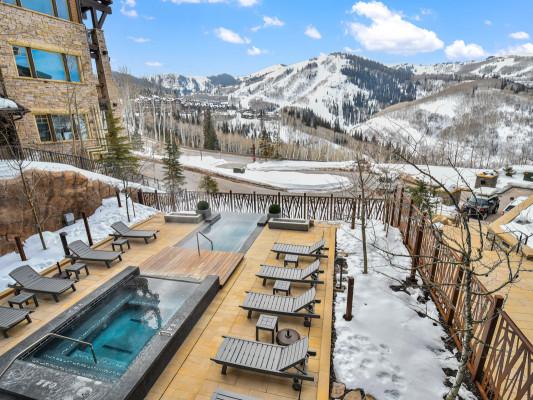

A quick guide to the best months to visit Utah
Is spring or fall better for visiting Utah?
Both are excellent, but spring is better for waterfalls, wildflowers, and fresh scenery, while fall is better for cooler hiking weather, fall color, and scenic drives.
What is the best time to visit Utah’s national parks?
For most visitors, April, May, September, and October are the best months for Utah’s national parks because temperatures are more comfortable and hiking is easier.
When is the best time to visit Utah for a road trip?
Late spring and early fall are best for road trips, thanks to mild weather, better visibility, and more comfortable conditions across both mountain and desert regions.
Does Utah have very different weather by region?
Yes. Northern Utah is colder and snowier in winter, especially around the Wasatch Mountains and ski resorts, while southern Utah stays drier and milder, with much hotter summers in the desert parks.
So, what is the best time to visit Utah?
If you want the best all-round conditions, the best time to visit Utah is April, May, September, and October. If skiing is your priority, aim for January or February. If you want quieter travel and better value, look at November or non-holiday weeks in late fall and winter.
The best time to visit Utah: a month-by-month guide
From ski season in Park City to spring hiking in Zion and fall foliage drives through the Wasatch Mountains, the best time to visit Utah depends on what you want to do. Use this month-by-month guide to plan around the state’s top experiences, seasonal events, and must-see attractions.
Utah in January
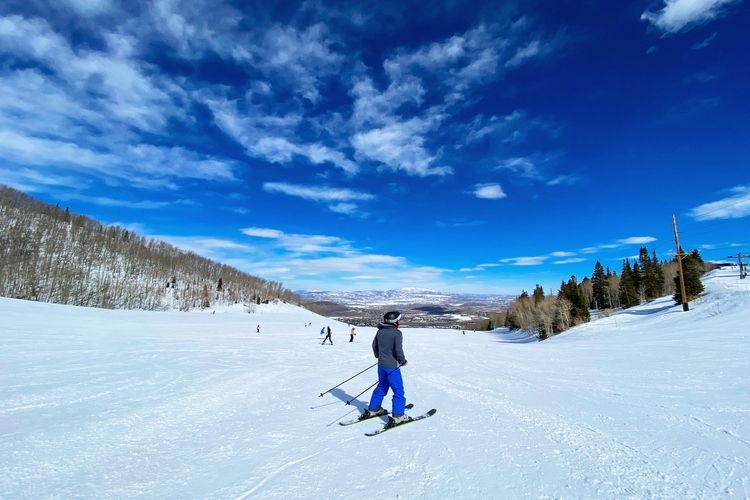
January is one of the best times to visit Utah for skiing and snowboarding, with peak powder conditions in Park City, Deer Valley, Alta, Snowbird, and Brighton. It’s a top month for winter sports, après-ski dining, and mountain-town atmosphere, while Salt Lake City offers cozy restaurants, nightlife, and performing arts for a winter city break. In southern Utah, Zion, Moab, and St. George are quieter and more peaceful, with cool hiking weather and striking snow-dusted red rock scenery. January is also a standout month for stargazing in places like Arches and Bryce Canyon, where dark skies and crisp winter air create excellent conditions.
Weather in Utah in January
Cold and snowy in northern Utah; cool and crisp in southern desert regions. Average temperature: 29–38°F (-2–3°C) | Average rainfall: Low.
Utah in February
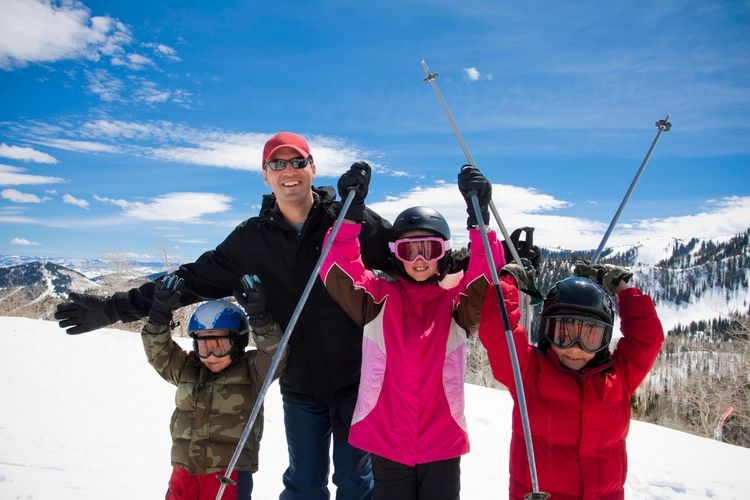
February continues Utah’s prime ski season, making it one of the best months for skiing, snowboarding, snowshoeing, and winter escapes in the Wasatch Mountains. Park City and Deer Valley remain busy with winter travelers, while Salt Lake City is ideal for dining, theater, and downtown entertainment after a day in the snow. Bryce Canyon is one of Utah’s top attractions in February, when its hoodoos look especially dramatic under snow. Southern Utah’s parks also stay quieter than in spring and fall, making this a good month for scenic drives and uncrowded sightseeing.
Weather in Utah in February
Cold with steady snow in the north; cool and dry in the southern parks. Average temperature: 32–42°F (0–6°C) | Average rainfall: Low.
Utah in March
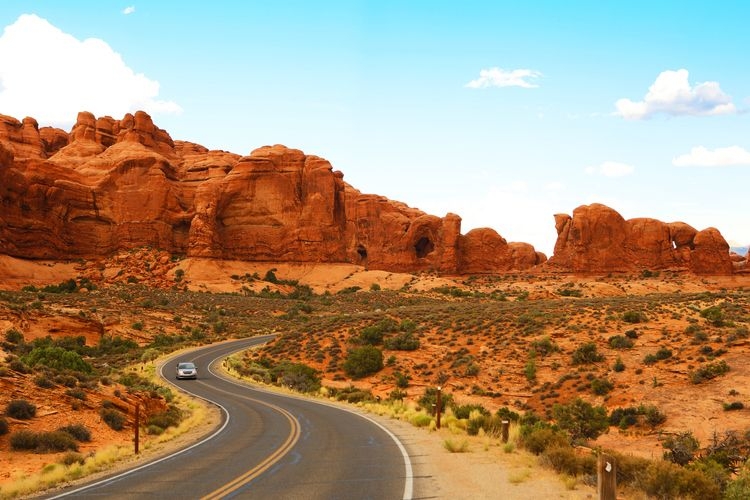
March is a transition month and a great time to combine late ski season with early spring hiking. Snow still falls in the mountains, while the red rock landscapes around Moab, Arches, and Canyonlands begin to warm up, bringing back road trips, scenic viewpoints, and desert adventures. This is a good month for travelers who want more variety in one trip, from skiing in Park City to exploring southern Utah’s national parks. Around Salt Lake City, early spring blooms and milder days also make city walks and foothill trails more appealing.
Weather in Utah in March
Milder with lingering snow in the mountains and cool, pleasant days in the desert. Average temperature: 40–55°F (4–13°C) | Average rainfall: Moderate.
Utah in April
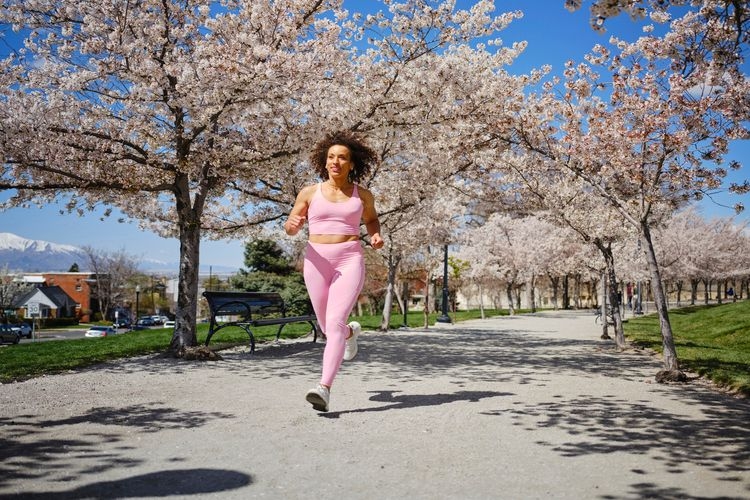
April is one of the best times to visit Utah for hiking, sightseeing, and road trips. Zion, Arches, Capitol Reef, and Canyonlands all offer comfortable daytime temperatures, making it easier to enjoy longer hikes, scenic drives, and top attractions without the intense summer heat. Spring color starts to appear across the state, with blooming gardens and trails near Salt Lake City and fresh desert landscapes in the south. April is especially good for first-time visitors wanting to experience Utah’s best-known parks in milder conditions.
Weather in Utah in April
Mild and comfortable statewide with crisp mornings and warm afternoons. Average temperature: 48–65°F (9–18°C) | Average rainfall: Moderate.
Utah in May
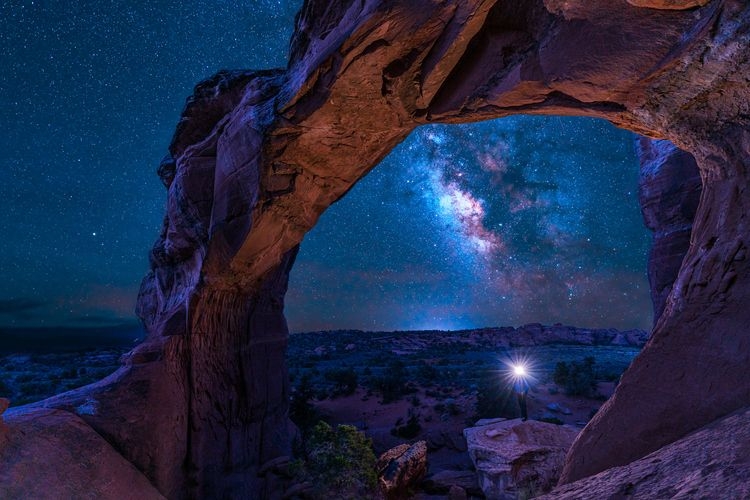
May is one of the strongest months in the calendar and one of the best months to visit Utah overall. Hiking conditions are excellent, waterfalls are flowing in Zion, and the red rock scenery around Moab, Arches, and Capitol Reef looks especially vibrant. It is a top month for photography, sunrise hikes, and scenic road trips. Northern Utah also looks its best in May, with green foothills, mountain trails, and pleasant weather around Salt Lake City and Park City. For many travelers, this is the sweet spot before summer crowds and desert heat build.
Weather in Utah in May
Warm, sunny, and dry with ideal conditions for hiking. Average temperature: 55–75°F (13–24°C) | Average rainfall: Low.
Utah in June
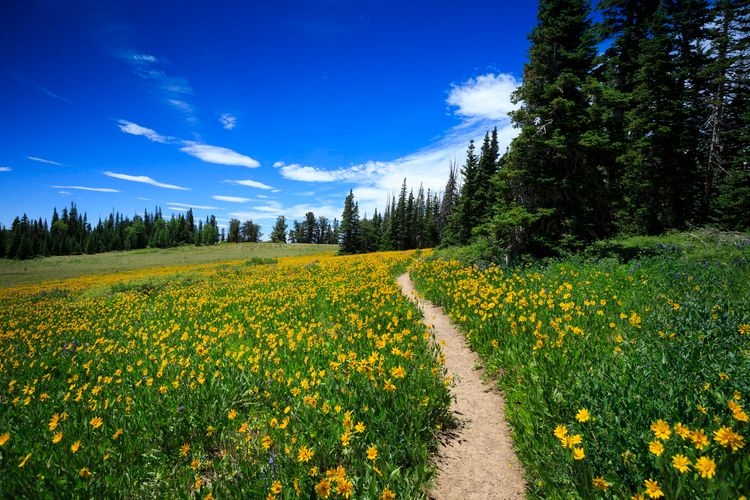
June brings long days and classic adventure travel conditions, making it a great month for hiking in Zion, rafting near Moab, and exploring alpine lakes and trails around Park City and the Wasatch Mountains. It is also a good time for scenic drives, family trips, and combining nature with city attractions. Salt Lake City’s summer events calendar starts to fill up in June, with outdoor concerts, festivals, and warm evenings adding extra appeal. This is one of the best months for travelers who want a mix of national parks, mountain scenery, and urban energy.
Weather in Utah in June
Warm to hot in the desert; comfortable and sunny in the mountains. Average temperature: 65–85°F (18–29°C) | Average rainfall: Low.
Utah in July
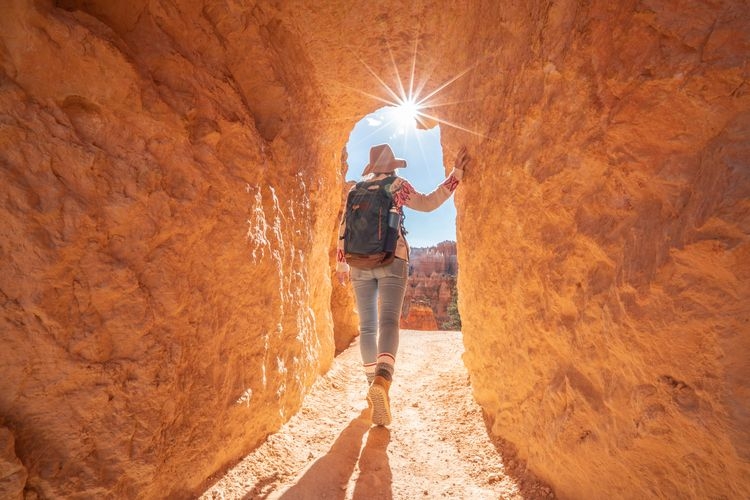
July is best for summer festivals, mountain escapes, and higher-elevation adventures. Southern Utah’s desert parks can be very hot, so Zion, Arches, and Canyonlands are best explored early in the morning or in the evening. In contrast, the Wasatch Mountains, Park City, and other alpine areas offer cooler air and better conditions for hiking and outdoor recreation. Salt Lake City is especially lively in July, with fireworks, festivals, and Pioneer Day celebrations drawing visitors from across the state. This is a strong month for travelers focused on summer atmosphere, events, and mountain scenery rather than all-day desert hiking.
Weather in Utah in July
Hot in southern Utah; warm and breezy in high-elevation regions. Average temperature: 75–95°F (24–35°C) | Average rainfall: Low.
Utah in August
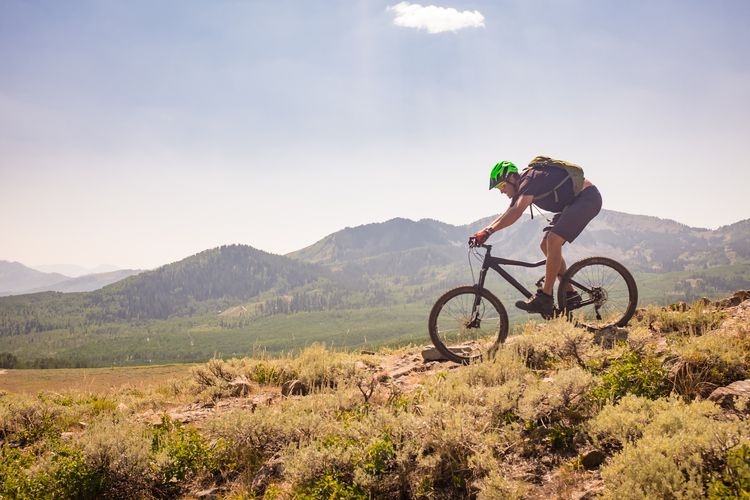
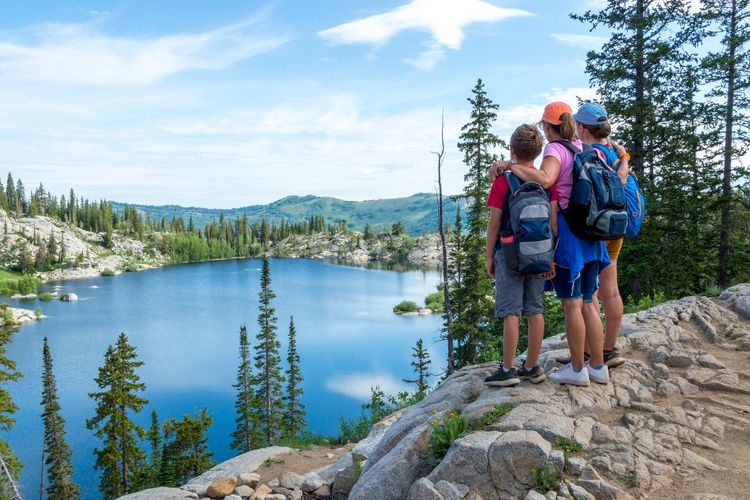
August is one of the best months for mountain escapes in Utah. Park City, Sundance, and the Uinta Mountains offer cooler temperatures, scenic hikes, wildlife spotting, and summer events, while alpine trails such as Lake Mary provide a refreshing break from the desert heat. Southern Utah remains hot, but it is still a rewarding month for scenic drives, evening viewpoints, and stargazing in Bryce Canyon and Canyonlands. August suits travelers who want summer vacations centered on mountains, lakes, and outdoor festivals.
Weather in Utah in August
Hot in the desert; mild and cool in the mountains. Average temperature: 70–92°F (21–33°C) | Average rainfall: Low to moderate.
Utah in September
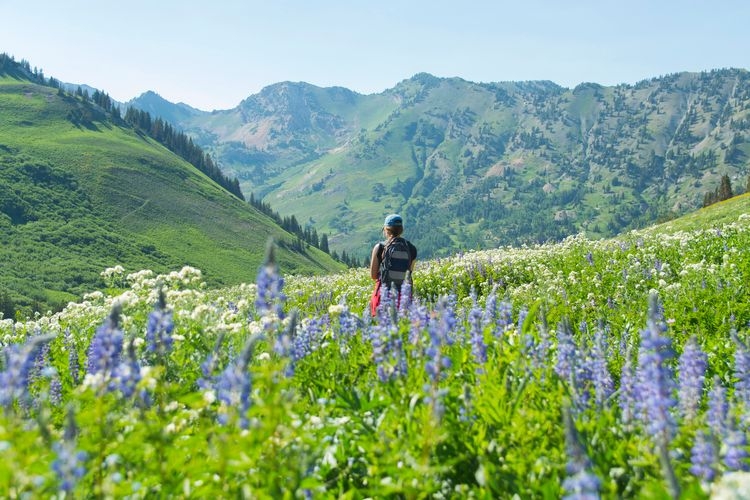
September is one of the best times to visit Utah, thanks to lower temperatures, smaller crowds, and ideal conditions for hiking and road trips. Zion, Bryce Canyon, Arches, and Canyonlands all become more comfortable again, while the Wasatch Mountains start to show the first signs of fall color. This is an excellent month for scenic drives, photography, and active trips that combine southern Utah’s parks with northern Utah’s mountains and cities. For many travelers, September offers the best overall balance of weather, scenery, and crowd levels.
Weather in Utah in September
Warm, dry, and very comfortable for full-day adventures. Average temperature: 60–85°F (15–29°C) | Average rainfall: Low.
Utah in October
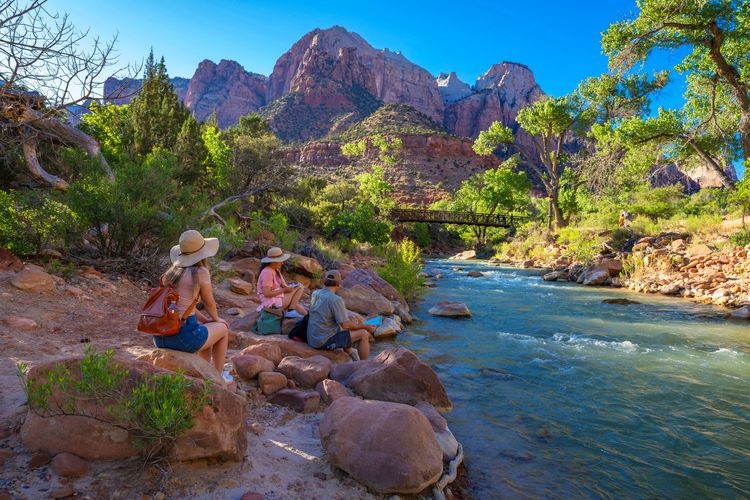
October is another of the best months to visit Utah, especially for fall scenery and hiking. Northern Utah’s top attractions include Big Cottonwood Canyon, Guardsman Pass, and Provo Canyon, where fall foliage peaks and scenic drives are at their best. At the same time, southern Utah enjoys some of its most comfortable hiking weather of the year, with excellent conditions in Zion, Bryce Canyon, and Moab. Crisp mornings, golden light, and fiery mountain colors make October one of Utah’s most photogenic months.
Weather in Utah in October
Cooler, crisp, and colorful - perfect autumn conditions. Average temperature: 50–70°F (10–21°C) | Average rainfall: Low to moderate.
Utah in November
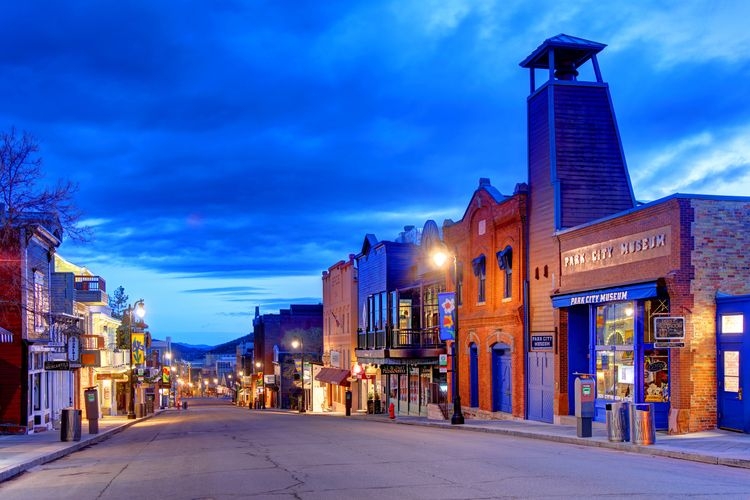
November is a quieter, better-value month and a good time to visit Utah if you prefer fewer crowds. Bryce Canyon is especially striking in late autumn light, and landmarks such as Thor’s Hammer stand out against cool, clear skies. Southern Utah remains pleasant enough for sightseeing and easier hikes, while northern Utah starts to shift toward winter. Park City and Salt Lake City become more atmospheric in November, with cozy dining, indoor attractions, and seasonal events making this one of the best shoulder months for a city break.
Weather in Utah in November
Chilly with early snowstorms in the north; cool but pleasant in the desert. Average temperature: 38–55°F (3–13°C) | Average rainfall: Low to moderate.
Utah in December
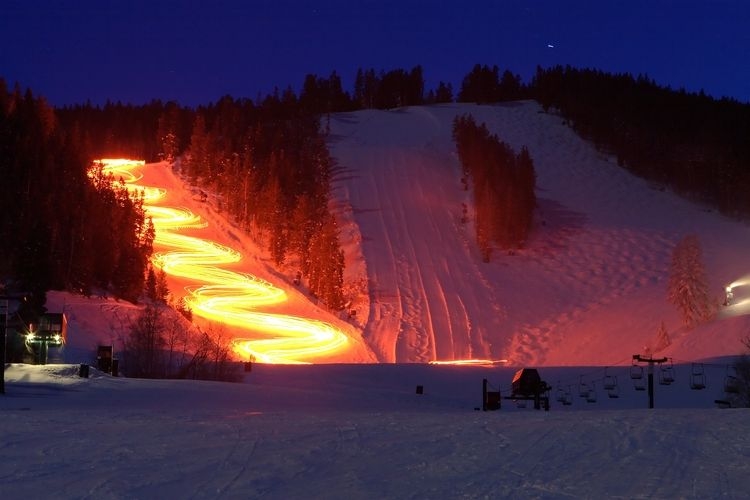
December marks the start of ski season and the festive travel period in Utah. Park City, Deer Valley, Alta, and Snowbird begin drawing winter sports visitors, while Salt Lake City feels especially lively with holiday lights, seasonal events, dining, and winter entertainment. Southern Utah offers a quieter contrast, with cool weather for photography, scenic drives, and peaceful hikes around Zion and Moab. December is a good choice for travelers wanting a mix of holiday atmosphere, winter sports, and calm desert landscapes.
Weather in Utah in December
Cold and snowy in the mountains; cool and dry in the desert. Average temperature: 28–38°F (-2–3°C) | Average rainfall: Low.
Where to stay in Utah
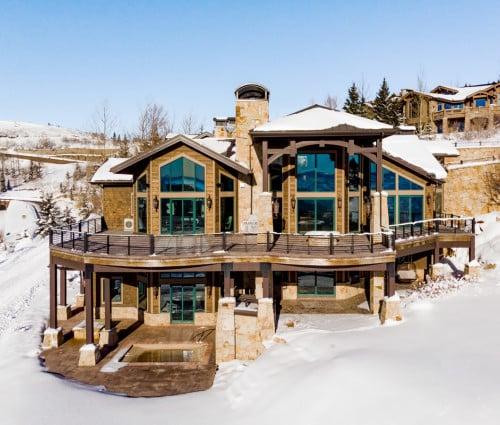
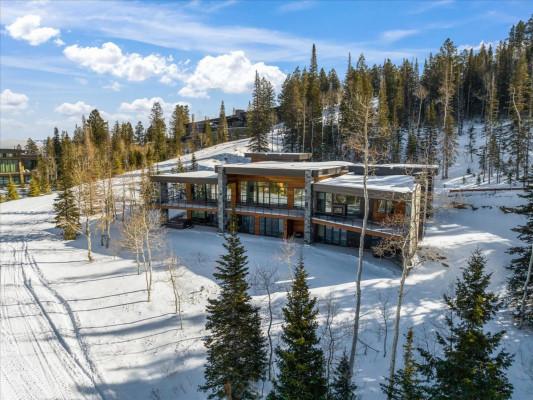
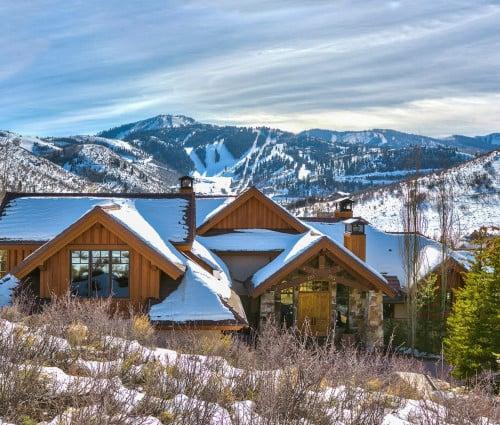
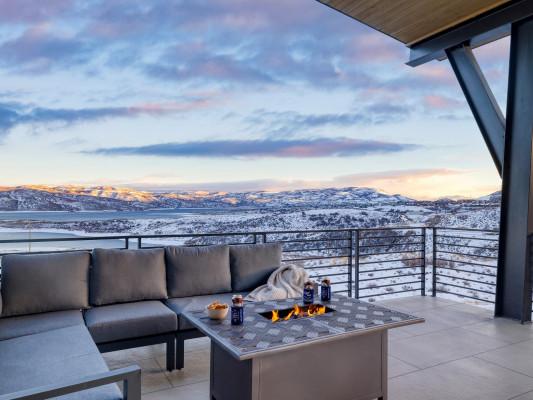
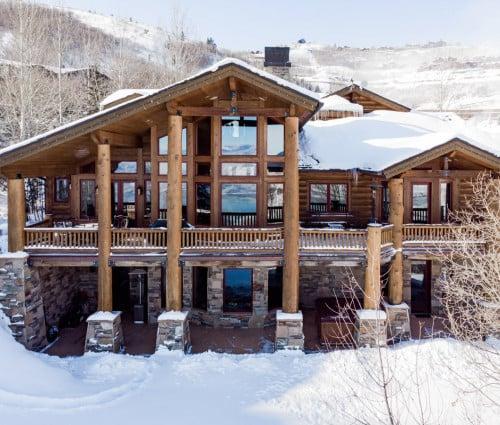
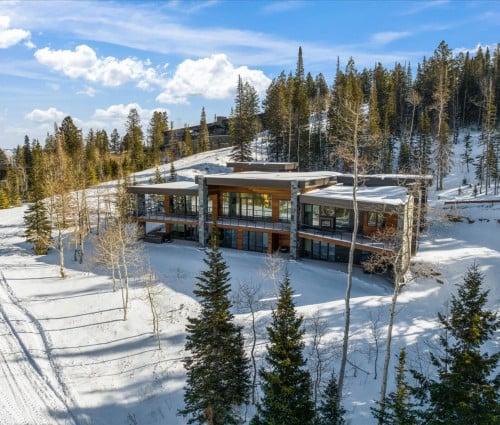
Make the most of your stay, with our exclusive Utah vacation rentals. Featuring epic scenery, optional hot tubs, all-weather entertainment, alfresco dining terraces and ski-in ski-out locations, these retreats in prime ski resort locations offer carefree escapism for couples, groups and families.