Best time to visit St Martin
The best time to visit Saint Martin is December to April. Read on for the best weather, crowds & events, plus when to sail, snorkel & save.
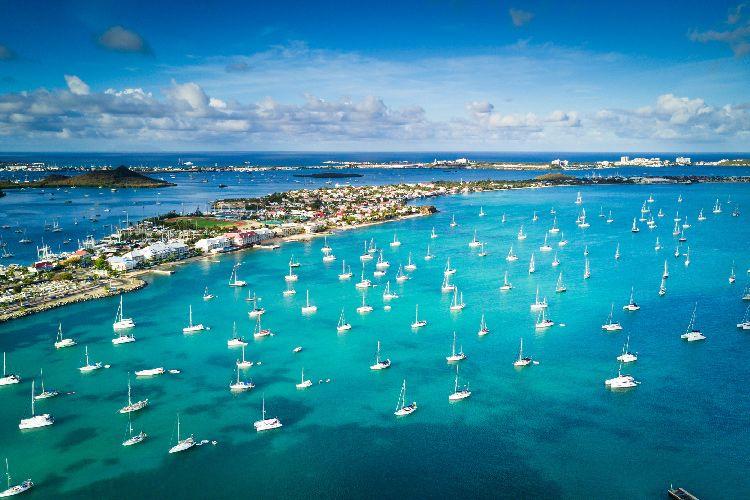
When to go to Saint Martin for the best weather, crowds and events?
The best time to visit Saint Martin is usually December through April, when the weather is warm, sunnier, and less humid, making it easier to enjoy beaches, sailing, snorkeling, and island sightseeing. These months suit most travelers, whether you want a beach break in Terres Basses, Grand Case, or Orient Bay, a more social stay around Simpson Bay and Philipsburg, or a relaxed villa holiday built around boat trips, beach clubs, and long lunches by the sea. April to June is often the sweet spot if you want warm weather with fewer crowds than peak winter, while January to March is strongest for classic dry-season conditions and major island events.
If you are looking for the cheapest time to visit Saint Martin for villa rental rates and fewer crowds, May, June, October, and November often offer better value. Some travelers may prefer to avoid August through October, when rainfall is higher and tropical-storm risk is at its peak, even though the island is quieter and prices can be lower.
In this guide, we’ll cover:
- The best time to visit Saint Martin for different travel styles
- Answer common FAQs
- Explain the difference between the French and Dutch sides
- Share a month-by-month guide to help you choose the right time to go.
Popular Saint Martin vacation rentals


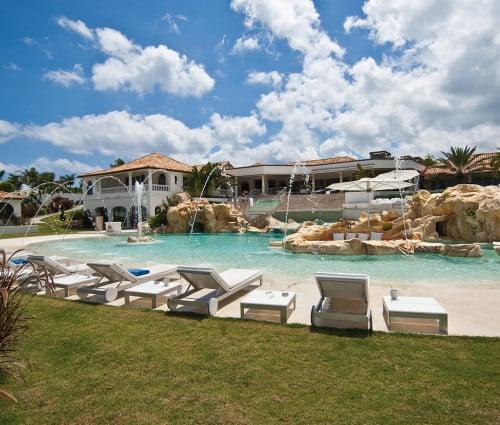

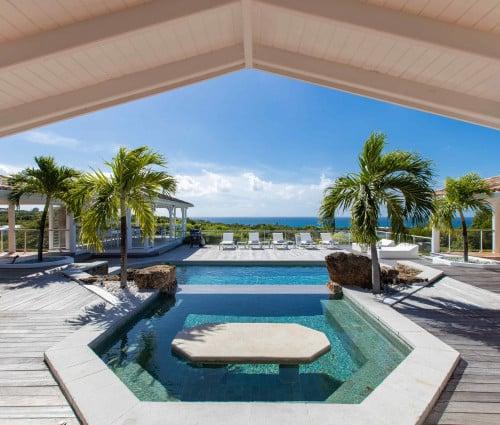
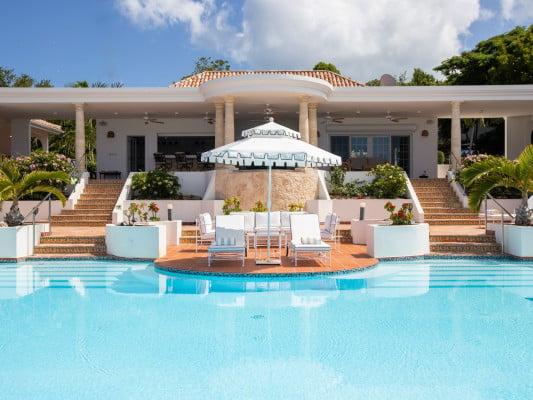
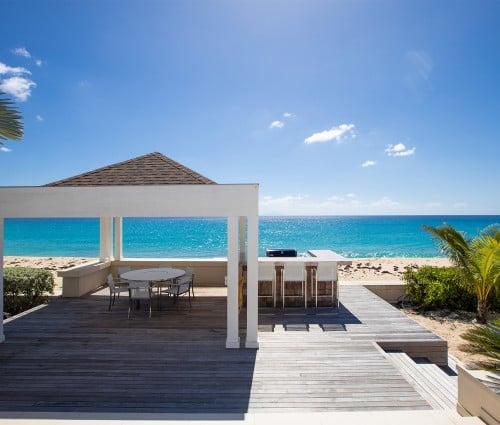

A quick guide to the best months to visit Saint Martin
What are the best months to visit Saint Martin overall?
For most travelers, the best months to visit Saint Martin are January, February, March, April, and June. These months usually offer the best mix of warm weather, lower humidity, and strong conditions for beaches, sailing, dining, and sightseeing.
When is the best time to visit Saint Martin for beaches?
The best time to visit Saint Martin for beaches is usually December to June, when the weather is warm and ocean conditions are generally friendlier for swimming, snorkeling, and catamaran trips. April to June is especially strong if you want sunny beach weather with fewer people than winter high season.
When is the best time to visit Saint Martin for sailing and ocean activities?
For sailing, snorkeling, and boat trips, January to April is usually strongest. These months combine warm temperatures with drier weather, and they also line up with one of the island’s biggest water-sports events, the St. Maarten Heineken Regatta in early March.
When is the best time to visit Saint Martin for festivals and events?
Saint Martin has standout events through the year, including:
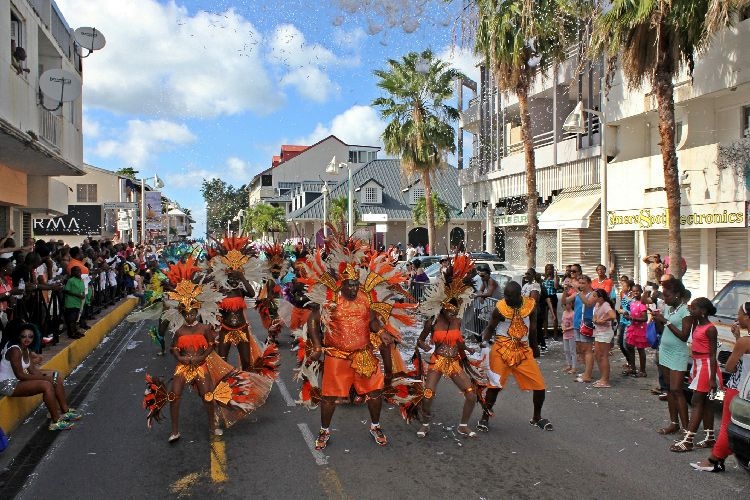
- Carnival (French: Feb–March; Dutch: April–May) – Street parades, costumes, music.
- Heineken Regatta (March): World-famous sailing competition.
- SXM Music Festival (March): Electronic music on the beach.
- Fête de la Mer (June): Maritime festival in Grand Case.
- St Martin Day (November): National holiday with parades and festivities.
- Christmas & New Year: Island-wide celebrations with fireworks.
What is the cheapest time to visit Saint Martin?
For better value, look at May, June, October, and November, when villa rental rates are often more competitive than during the winter high season. The trade-off is a greater chance of rain, especially later in the year.
When is hurricane season in Saint Martin?
Hurricane season in Saint Martin runs from June through November, with September historically one of the wettest months and one of the peak-risk periods for storms.
What is the least busy time to visit Saint Martin?
October is usually one of the quietest months to visit Saint Martin. It can work well for travelers who want lower prices and a slower island pace, as long as they are comfortable with warmer, wetter weather.
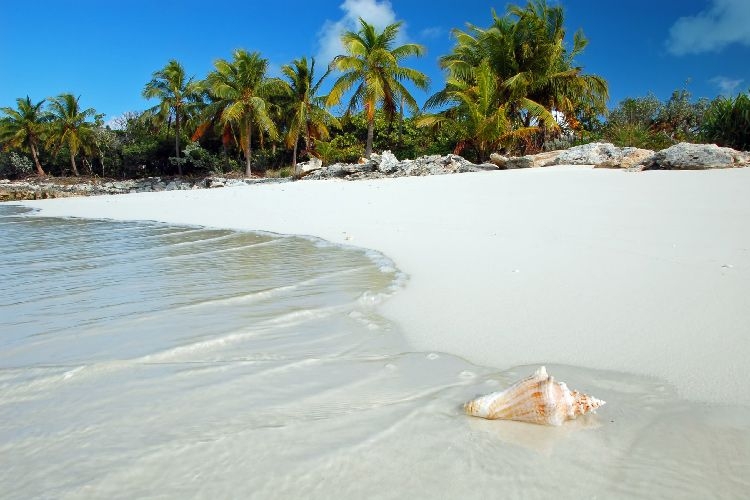
The best time to visit Saint Martin: a month-by-month guide
From dry-season beach days and regatta season to quieter fall escapes and festive winter sun, the best time to visit Saint Martin depends on what you want to do. Use this month-by-month guide to plan around the island’s top seasonal experiences, events, and attractions.
Saint Martin in January
January is one of the most popular months to visit Saint Martin, especially for travelers escaping colder winter weather. The island feels lively, beach clubs and restaurants are in full swing, and conditions are excellent for beach days, sailing trips, and long outdoor dinners. It is one of the best months for classic Caribbean sunshine on both the French and Dutch sides.
Weather in Saint Martin in January
Warm, sunny, and relatively dry, with comfortable beach weather and lower humidity than late summer. Average temperature: 23–29°C (73–84°F) | Chance of average rainfall: Moderate.
Saint Martin in February
February is one of the driest and most reliable months for a Saint Martin trip. It is ideal for beaches, sailing, and snorkeling, and it also brings extra festive energy as Carnival celebrations gather pace on the island. This is one of the strongest months for travelers who want sunshine plus a lively atmosphere.
Weather in Saint Martin in February
Warm, bright, and one of the driest periods of the year, with very good conditions for beaches and outdoor activities. Average temperature: 23–29°C (73–84°F) | Chance of average rainfall: Low.
Saint Martin in March
March is one of the best times to visit Saint Martin overall. The weather stays dry and warm, the sea is inviting, and the month has some of the island’s biggest events. The Heineken Regatta and SXM Festival both help give March a strong social and sailing-season appeal, making it one of the liveliest times of the year.
Weather in Saint Martin in March
Warm, sunny, and very travel-friendly, with low rainfall and strong beach conditions. Average temperature: 23–29°C (73–84°F) | Chance of average rainfall: Low.
Saint Martin in April
April is one of the best shoulder-season months in Saint Martin. The weather remains warm and sunny, but the island can feel a little more relaxed than in the peak winter stretch. It is especially good for beach clubs, villa stays, snorkeling, and scenic lunches in Grand Case or Orient Bay, while Carnival energy can still spill into the Dutch side depending on the year.
Weather in Saint Martin in April
Warm and mostly dry, with long sunny days and very good coast-wide conditions. Average temperature: 24–30°C (75–86°F) | Chance of average rainfall: Moderate.
Saint Martin in May
May is one of the smartest months to visit Saint Martin if you want better value without losing the island feel. The weather stays hot and beach-friendly, crowds tend to ease, and boat trips and swimming remain very appealing. It is a good month for travelers who want a quieter Caribbean break before the wetter season builds.
Weather in Saint Martin in May
Hotter and more tropical, but still very good for beaches and water-based activities. Average temperature: 24–30°C (75–86°F) | Chance of average rainfall: Moderate.
Saint Martin in June
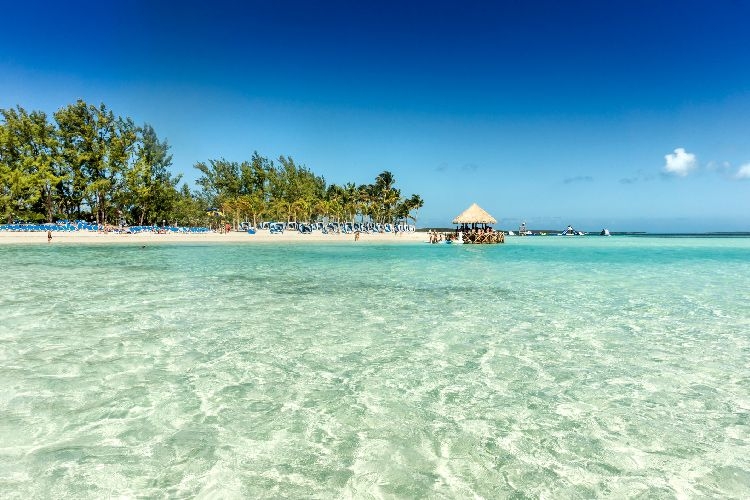
June marks the start of the wetter season, but it can still be a rewarding month to visit. There is usually plenty of sunshine between showers, beaches are quieter, and rates can be more attractive than in winter. A seasonal highlight is Fête de la Mer in Grand Case, which gives June a local maritime celebration and a stronger cultural feel.
Weather in Saint Martin in June
Warm and tropical, with rising humidity and occasional short showers. Average temperature: 25–31°C (77–88°F) | Chance of average rainfall: Moderate.
Saint Martin in July
July is hot, bright, and often quieter than the winter season. It suits travelers who want a laid-back beach trip, warm seas, and more space on the sand, especially around Terres Basses, Baie Rouge, and the calmer Caribbean side. It is best for easy-going villa stays rather than event-led travel. Top highlights include the island's Bastille Day celebrations (July 14, French side).
Weather in Saint Martin in July
Warm and humid, with tropical heat and a growing chance of showers. Average temperature: 25–31°C (77–88°F) | Chance of average rainfall: Moderate.

Saint Martin in August
August is one of the hottest months on Saint Martin and sits deeper in the Atlantic hurricane season. Even so, many days are still sunny, and it can work well for travelers who want a slower pace, lower prices, and warm sea temperatures for swimming and snorkeling. It is best suited to flexible travelers who do not mind planning around weather.
Weather in Saint Martin in August
Very warm and humid, with higher rainfall and a more tropical late-summer feel. Average temperature: 25–31°C (77–88°F) | Chance of average rainfall: High.
Saint Martin in September
September is historically one of the wettest months of the year in Saint Martin and sits in the peak of hurricane season. It is not the strongest month for guaranteed sunshine, but it can appeal to budget-focused travelers who want a very quiet island atmosphere and low rates. Beaches and restaurants can feel especially peaceful at this time.
Weather in Saint Martin in September
Hot, humid, and wetter, with the highest tropical-storm risk of the year. Average temperature: 25–31°C (77–88°F) | Chance of average rainfall: High.
Saint Martin in October
October continues the wet season, but the atmosphere can be peaceful and the island often feels especially uncrowded. Rain showers tend to come in bursts rather than all day, and this is one of the best-value months for travelers who do not mind weather variability. It is best for slower beach stays, spa time, and dining-led villa holidays.
Weather in Saint Martin in October
Warm and tropical, with heavy showers at times and unsettled conditions. Average temperature: 25–31°C (77–88°F) | Chance of average rainfall: High.
Saint Martin in November
November is a transition month on the island. Early in the month rain can still be frequent, but conditions usually improve as the weeks go on, and the island starts to feel more active again. A major cultural highlight is St Martin Day on November 11, which celebrates the island’s shared French and Dutch identity with festivities and events.
Weather in Saint Martin in November
Warm and improving, though still fairly wet, with more reliable sunshine later in the month. Average temperature: 24–30°C (75–86°F) | Chance of average rainfall: High.
Saint Martin in December
December is one of the most desirable months to visit Saint Martin. Hurricane season is over, the weather turns drier and sunnier again, and the island becomes lively with holiday travel. Christmas and New Year celebrations add fireworks, parties, and a festive atmosphere, making it one of the strongest months for a classic winter-sun trip.
Weather in Saint Martin in December
Warm, sunnier, and drier again, with calmer seas and strong winter-sun appeal. Average temperature: 23–29°C (73–84°F) | Chance of average rainfall: Moderate.

Where to stay in Saint Martin
Best for first-time visitors and classic beach stays
Terres Basses is one of the strongest bases if you want a classic Saint Martin villa stay, with easy access to beaches such as Baie Rouge, Plum Bay, and Long Bay, plus a quieter luxury atmosphere. It works especially well for couples, groups, and beach-led trips.
Best for dining and French-Caribbean atmosphere
The French side, including areas such as Grand Case, Anse Marcel, and nearby northern villages, is best if you want boutique charm, gourmet dining, and a more relaxed beach-club feel. This side of the island suits travelers who care as much about food and atmosphere as they do about beach time.
Best for nightlife and easy-going resort energy
The Dutch side, especially around Simpson Bay, Philipsburg, and Maho, is strongest if you want nightlife, casinos, shopping, and a livelier social scene. It works well for shorter stays, group trips, and travelers who want a more active island base.
About our Saint Martin vacation rentals
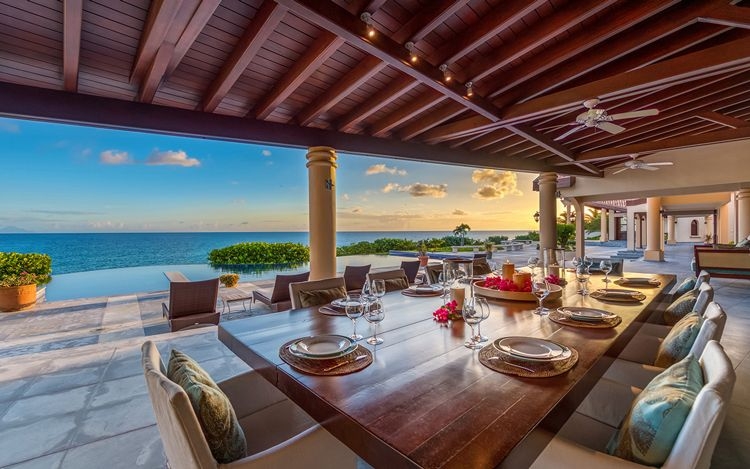
Our Saint Martin vacation rentals offer an effortless island base for exclusive beach holidays, varied multi-generational trips and extended Caribbean stays. Placed in Terres Basses, Plum Bay, Baie Rouge, and the wider island, our villas with private pools and optional staff offer easy access to both the French and Dutch sides - for a carefree Caribbean vacation.
Saint Martin villas