Best time to visit Portugal
Best time to visit Portugal is May to June and September to October. Read on for the best weather, crowds, and events, plus when to swim, sightsee, and save.
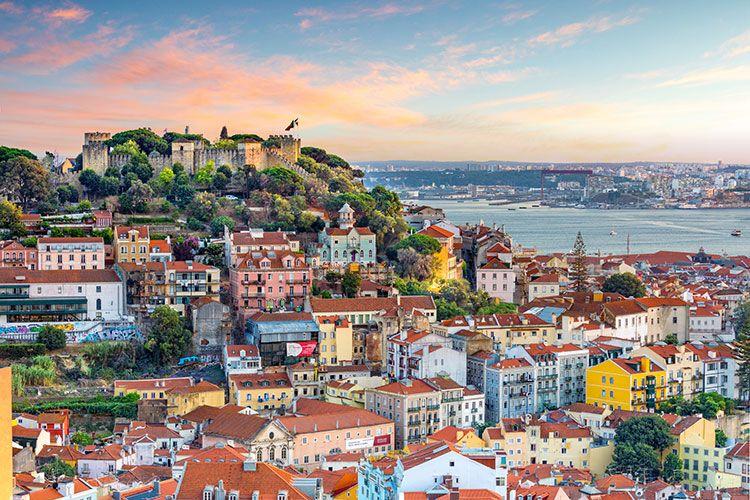
When to go to Portugal for the best weather, crowds and events?
The best time to visit Portugal is usually May to June and September to October, when the weather is warm, sunny, and easier to enjoy than in peak summer. These months suit most travelers, whether you want a beach break in the Algarve, city sightseeing in Lisbon and Porto, or vineyard and countryside drives through the Douro Valley and Alentejo. July and August are best for classic beach days, swimming, and lively summer atmosphere, while winter is better for lower prices, quieter cities, and a more local feel. May, June, September and October are standout periods for warm weather and fewer crowds.
If you are looking for the cheapest time to visit Portugal for affordable villa rental rates and fewer crowds, January, February, and November are strong choices, especially for city breaks and slower-paced trips. Some travelers may prefer to avoid July and August, when the Algarve and other coastal hotspots are hottest and busiest. In our guide, we’ll cover:
- The best time to visit Portugal for different travel styles
- Answer common FAQs
- Explain regional differences
- Share a month-by-month guide to help you choose the right time to go.



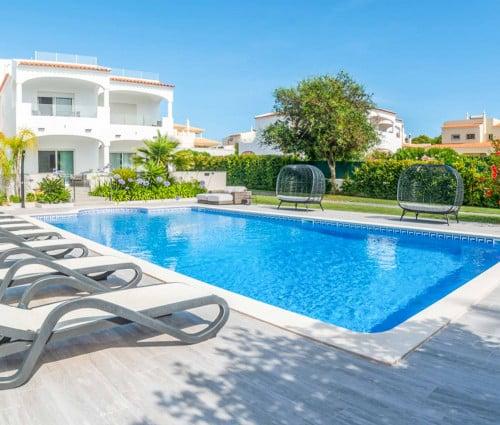
A quick guide to the best months to visit Portugal
What are the best months to visit Portugal overall?
For most travelers, the best months to visit Portugal are May, June, September, and October. These months usually offer the best balance of warm weather, lighter crowds, and good conditions for beaches, sightseeing, wine regions, and road trips.
When is the best time to visit Portugal for beaches?
The best time to visit Portugal for beaches is usually June to September, when the Algarve is warmest and best for swimming, sunbathing, boat trips, and coastal walks. May and October can also work well, especially in the Algarve, if you want a quieter beach trip.
What are the must-see attractions in Portugal?
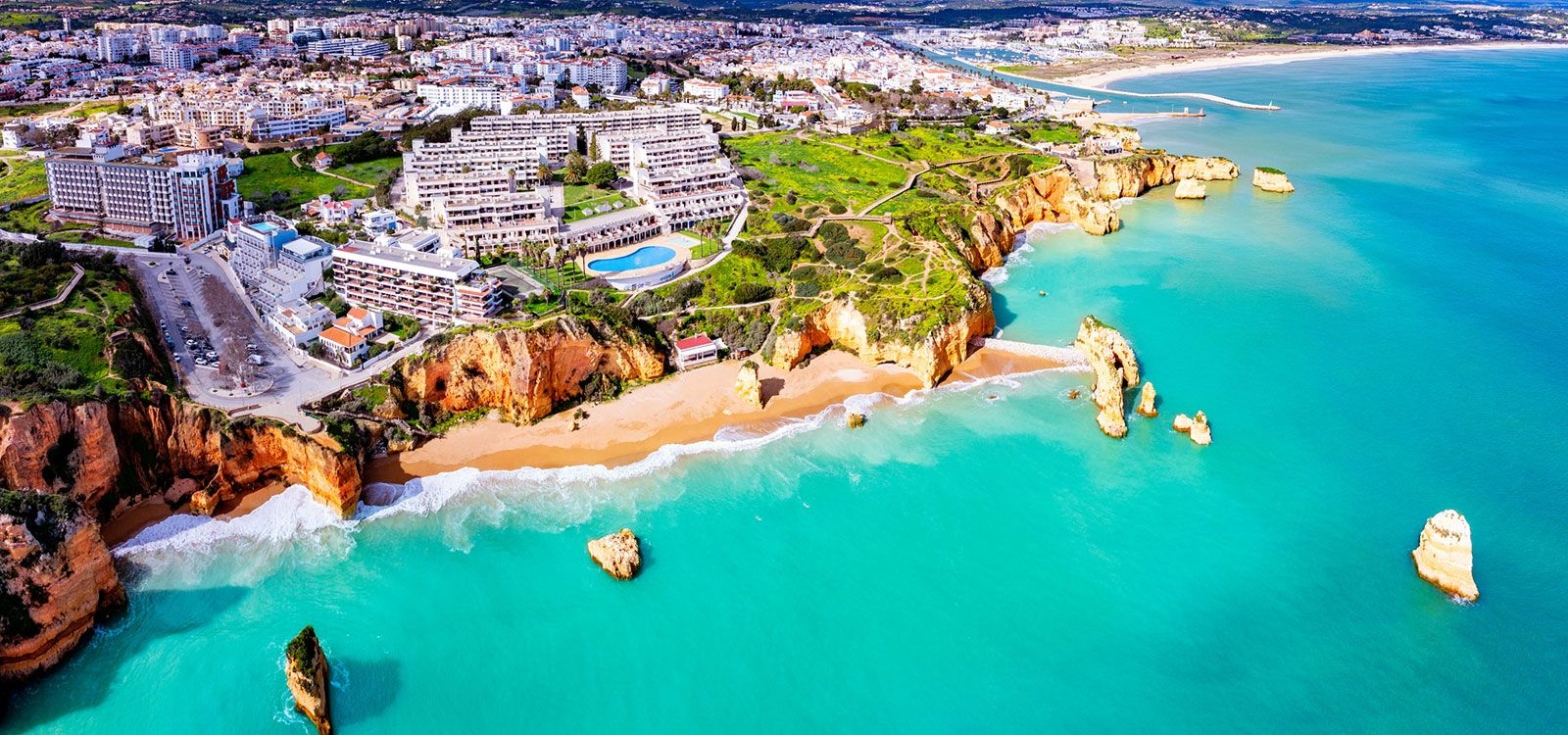
Portugal is filled with diverse regions, but one of the most iconic areas for visitors is the Algarve, famous for its golden beaches, dramatic cliffs, and warm Mediterranean-like climate. Travelers flock to Algarve towns such as Lagos, Albufeira, Portimão, and Faro for stunning coastlines, sea caves like Benagil, and some of the best seafood in the country.
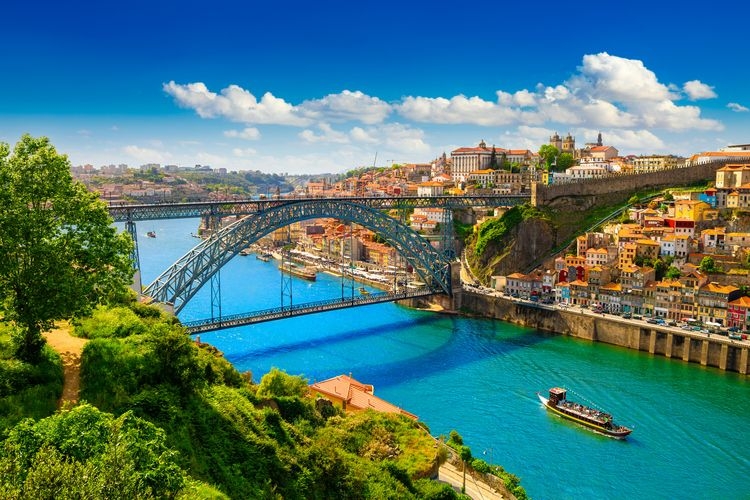
Beyond the Algarve, Portugal offers highlights like Lisbon’s historic neighborhoods, Porto’s riverside charm and wine cellars, the fairy-tale palaces of Sintra, and the terraced vineyards of the Douro Valley. Whether you’re looking for beaches, culture, nightlife, or nature, the Algarve stands out as one of the country’s top must-visit destinations.
What are the best Portugal events by season?
In winter, highlights include Carnival (February or early March) and festive winter food and cultural traditions. In spring, look out for Easter celebrations, especially in places such as Braga and Évora. In summer, Portugal’s towns and cities host music, cultural, and food festivals, while fall brings harvest season in the Douro Valley and Alentejo, with wine-focused travel at its best. In December, Christmas markets, holiday lights, and nativity scenes add a festive atmosphere.
When is it warm enough to swim in Portugal?
Portugal’s Atlantic water is coolest in the north and warmest in the Algarve. In general, the most reliable swimming months in Portugal are June to September (when sea temperatures are at their warmest. The water also stays warmer for longer along the Algarve, making it a great choice for shoulder season swims from May - October.
When is the best time to visit Portugal for sightseeing & wine regions?
For sightseeing and wine-focused travel, March to May and September to October are usually best. These months are excellent for Lisbon, Porto, Coimbra, the Douro Valley, and Alentejo, with milder temperatures and easier sightseeing than in midsummer.
When is the best time to visit Portugal for surfing?
Winter and early spring are especially good for surfing, particularly along the Atlantic coast, when stronger swells arrive and beaches are quieter. January is specifically a strong month for winter swells.
What is the cheapest time to visit Portugal?
For the most affordable times of year to visit Portugal, look at January, February, and November. Flights and villa rental rates are lower than in the summer season and major attractions also feel calmer.
The best time to visit Portugal: a month-by-month guide
From winter surf and city breaks to spring vineyards, summer beaches, and autumn harvests, the best time to visit Portugal depends on what you want to do. Use this month-by-month guide to plan around the country’s top seasonal experiences, events, and attractions.
Portugal in January
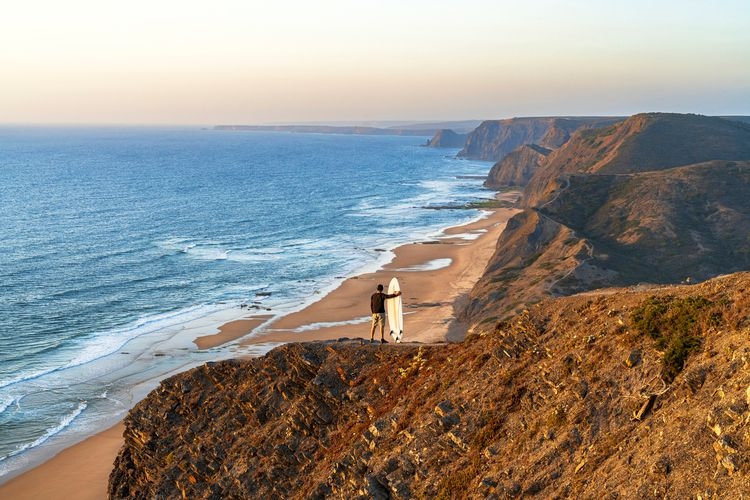
January is one of the quietest months to visit Portugal, making it a good time for museums, historic centers, winter city walks, and lower-key sightseeing without summer crowds. Lisbon, Porto, and Coimbra feel more local, while the Algarve stays peaceful for coastal walks and winter sun. It is also a strong month for surfers, with excellent winter swells along the coast.
Weather in Portugal in January
Mild by European winter standards, with the warmest conditions in the Algarve and cooler weather in Porto and the north. Average temperature: 50-59°F (10-15°C).
Portugal in February
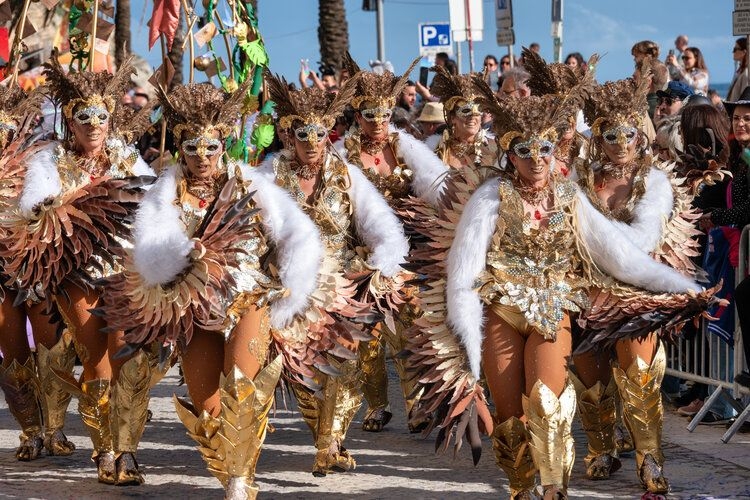
Weather in Portugal in February
Cool to mild, with the warmest weather in the Algarve and occasional rain, especially farther north and inland. Average temperature: 50-60°F (10-16°C).
Portugal in March
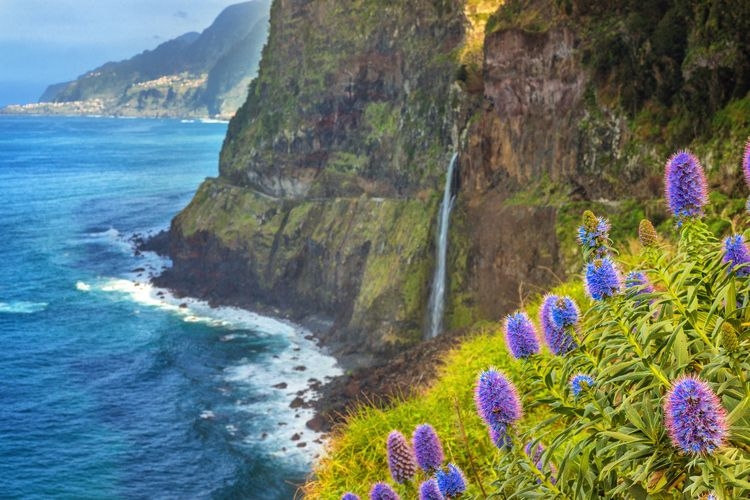
March marks the shift into spring, with more sunshine, greener landscapes, and comfortable conditions for culture, wine tasting, and scenic drives. It is a strong month for Lisbon, Porto, Évora, Coimbra, and the Douro Valley before the busier late-spring season begins. Hiking trails and coastal paths also become more appealing as wildflowers begin to appear.
Weather in Portugal in March
Mild and increasingly bright, with warmer conditions in Lisbon and the Algarve and occasional showers in the north. Average temperature: 60-68°F (15-20°C).
Portugal in April

April is one of the best times to visit Portugal for spring sightseeing, coastal drives, and quieter beach towns. Lisbon and Porto are especially pleasant, while the Algarve is warm enough for long walks, sea views, and early season beach time. Easter celebrations are a major seasonal highlight, particularly in Braga, Évora, and smaller historic towns, adding extra cultural appeal.
Weather in Portugal in April
Mild and bright, with warmer and sunnier conditions in the Algarve and generally low rainfall. Average temperature: 60-72°F (16-22°C).
Portugal in May
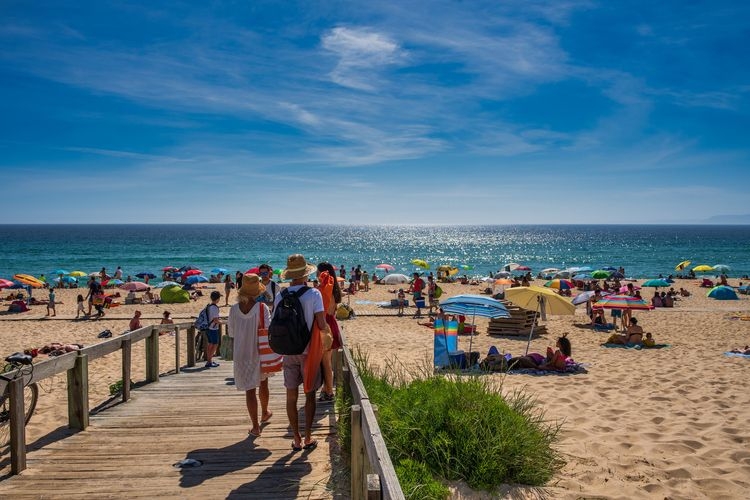
May is one of the strongest months in the calendar and one of the best months to visit Portugal overall. The weather is warm, the beaches and towns are lively without feeling overcrowded, and the Douro Valley and Alentejo look especially good in full spring bloom. The Algarve is a standout this month for swimming, coastal walks, and long bright days.
Weather in Portugal in May
Warm, sunny, and mostly dry, with some of the year’s best all-round conditions for beaches and sightseeing. Average temperature: 64-77°F (18-25°C).
Portugal in June
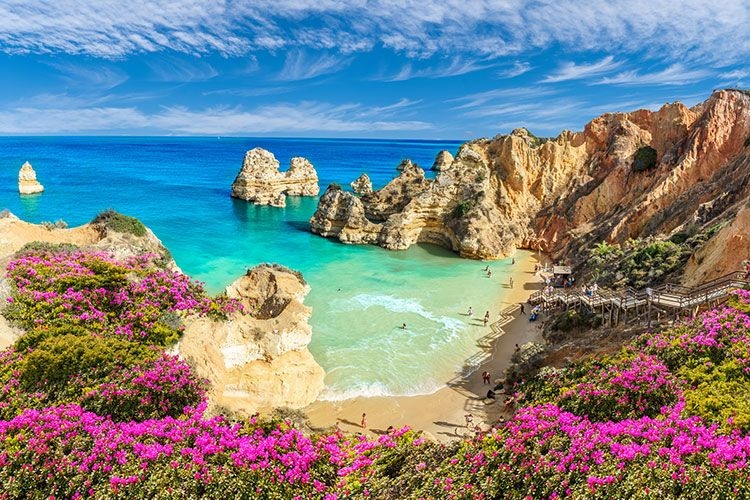
June marks the start of summer and is one of the best times to visit Portugal for beach weather before the main rush of July and August. The Algarve is especially appealing for calm seas, boat trips, and cliff-backed beaches, while evenings across Portugal are lively with outdoor dining, street music and local summer celebrations.
Weather in Portugal in June
Warm and sunny, with low rainfall and very good conditions for beaches and outdoor plans. Average temperature: 68-77°F (20-25°C).
Portugal in July
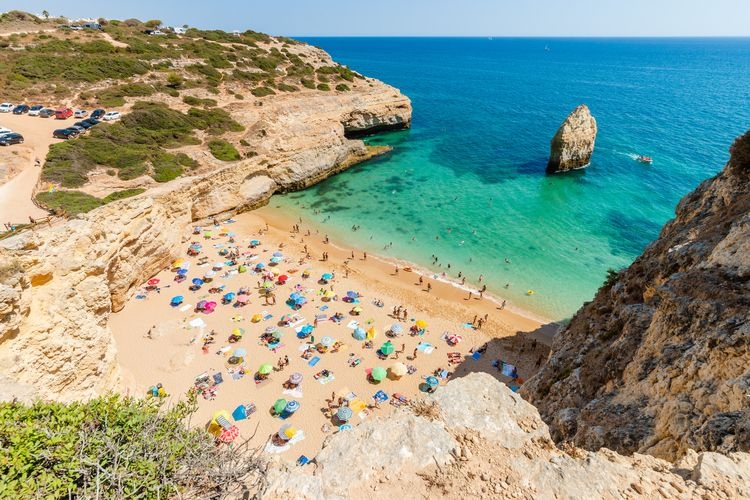
July is the heart of summer in Portugal and one of the busiest times to visit. It is best for travelers who want classic beach weather, water sports, lively towns, and long sunny days. The Algarve is at its peak, with places such as Lagos, Albufeira, and Praia da Marinha especially popular, while towns and cities host music, food, and cultural festivals through the month.
Weather in Portugal in July
Hot and very sunny, especially in the south, with minimal rainfall and strong beach weather. Average temperature: 75-95°F (24-35°C).
Portugal in August
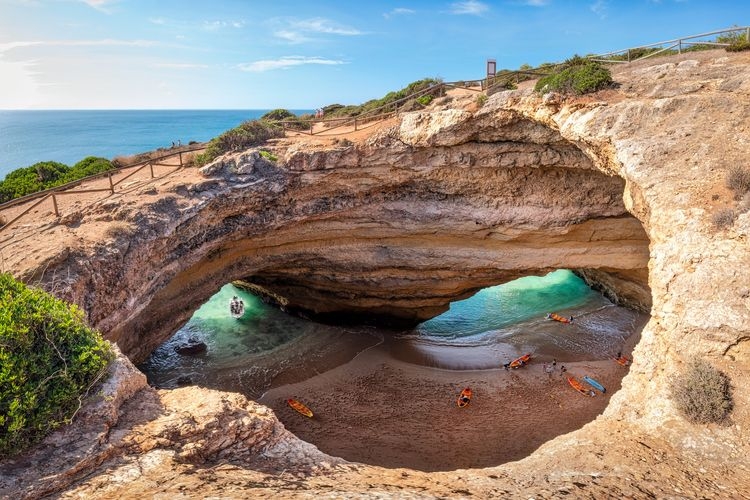
August stays hot and dry and is best for travelers who want full summer energy, long beach days, and warm evenings. The Algarve’s beaches, cliffs, and coastal trails are at their most inviting, while inland areas such as Peneda-Gerês, Serra da Estrela, and the Douro Valley remain strong for nature, viewpoints, and wine tasting. It is one of the best months for outdoor adventures, but also one of the busiest.
Weather in Portugal in August
Very warm and mostly dry, with the hottest conditions in the south and coastal breezes helping along the shoreline. Average temperature: 77-95°F (25-35°C).
Portugal in September
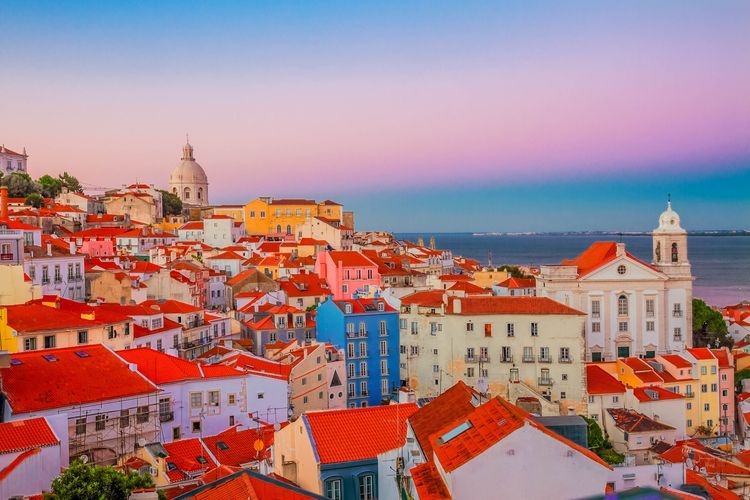
September is one of the best times to visit Portugal, with warm weather, fewer crowds, and a more relaxed atmosphere than peak summer. The Algarve still feels beach-ready, the sea remains calm, and inland regions such as the Douro Valley and Alentejo are excellent for vineyard tours, scenic drives, and outdoor exploration. It is a strong month for local festivals and alfresco dining without the July and August rush.
Weather in Portugal in September
Warm and travel-friendly, with sunny days, warm seas, and only occasional showers. Average temperature: 70-82°F (21-28°C).
Portugal in October
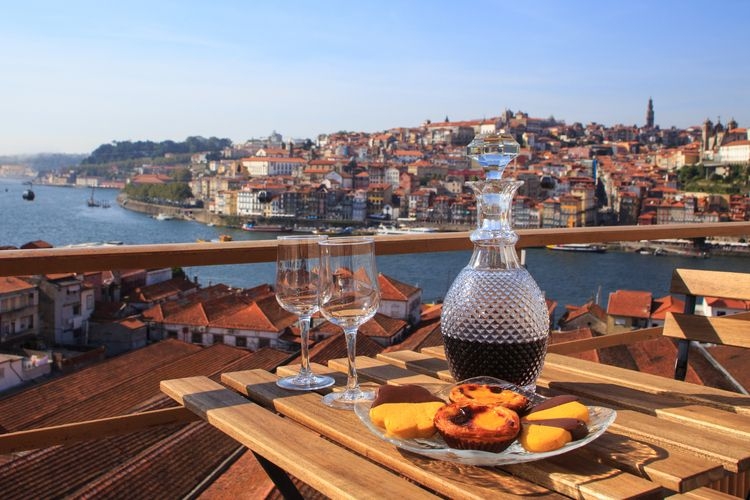
October is a standout shoulder-season month, with mild autumn weather, smaller crowds, and excellent conditions for sightseeing, hiking, and wine travel. The Algarve remains appealing for quieter beaches and coastal walks, while inland regions such as the Douro Valley and Alentejo move into vineyard harvest season and scenic autumn drives. It is one of the best months for relaxed, culture-led travel.
Weather in Portugal in October
Mild and mostly sunny, with moderate rainfall and warmest conditions in the Algarve. Average temperature: 64-77°F (18-25°C).
Portugal in November
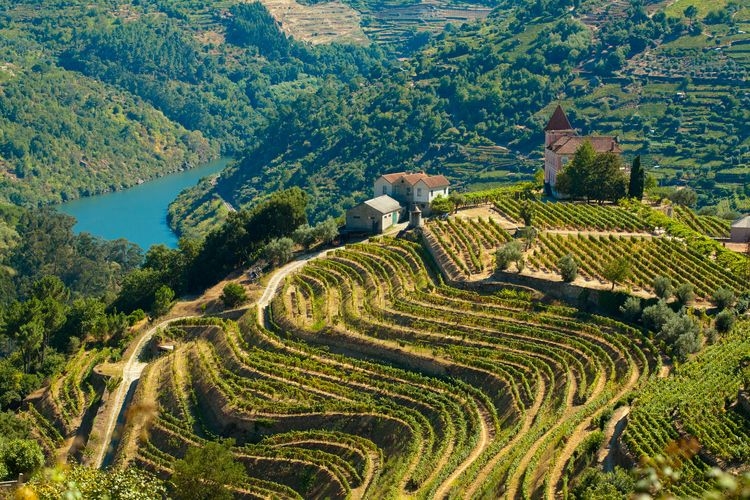
November is calm, cozy, and one of the best-value months to visit Portugal. The summer crowds are gone, prices are lower, and cities such as Lisbon and Porto still feel lively without being busy. The Algarve remains good for scenic coastal walks, while the Douro and Alentejo are especially strong for wine tasting, countryside drives, and seasonal food.
Weather in Portugal in November
Mildest in the Algarve, with a mix of bright days and occasional showers, especially in the north. Average temperature: 55-68°F (13-20°C).
Portugal in December

December is festive, atmospheric, and a good time for travelers who want culture, winter sunshine, and a calmer European city break. Lisbon and Porto glow with holiday lights, while the Algarve stays mild enough for quiet coastal walks and off-season stays. Seasonal highlights include Christmas markets, illuminated displays, nativity scenes in Óbidos, and New Year’s Eve celebrations later in the month.
Weather in Portugal in December
Cool and relatively mild compared with much of Europe, with crisp sunny spells and some rain. Average temperature: around 50-59°F (10-15°C), with milder conditions in the Algarve.
Where to stay in Portugal
For beach time, golf, and classic sunshine breaks, Albufeira is one of the strongest all-round bases. Gale and Vale de Parra work well for quieter coastal stays close to sandy beaches, while Vilamoura suits travelers who want marinas, golf, and a more polished resort feel. Carvoeiro is a good choice for scenic cliffs and a relaxed village atmosphere, and Armação de Pêra works well for laid-back beach days.
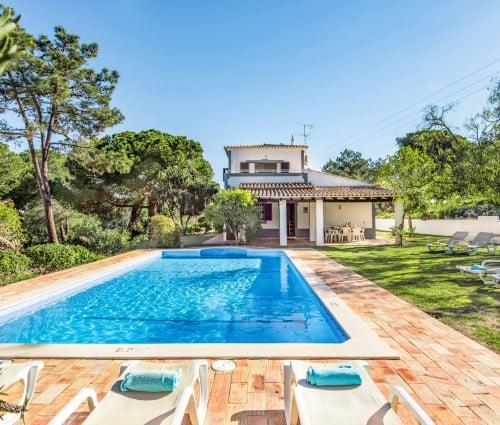
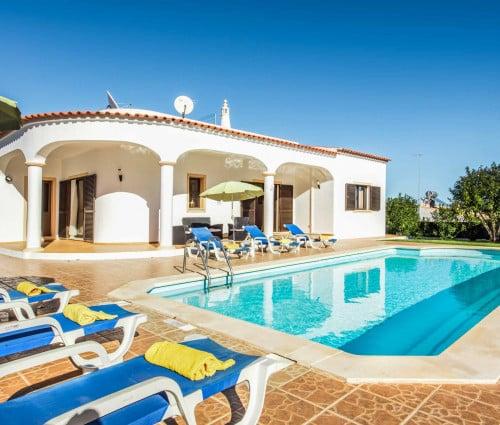
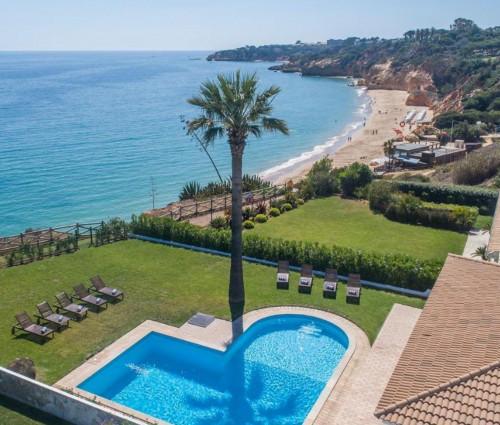
Our collection of Portugal villas with sun-drenched pools set the scene for a relaxed and carefree holiday base - placed within easy reach of the golf courses, beaches, regional wineries and top local attractions.