40+ Things to do in Paris
40+ best things to do in Paris: see the Eiffel Tower, Louvre, and Notre-Dame, stroll Montmartre, cruise the Seine, shop Champs-Élysées, and café-hop.

Discover the best of Paris
Paris brings together world-famous landmarks, extraordinary art collections, beautiful architecture and some of Europe's most recognizable neighborhoods. From the Eiffel Tower and the banks of the Seine to the cobbled streets of Montmartre and the lively cafés of Saint-Germain-des-Prés, there are countless things to do in Paris for couples, families, groups and first-time visitors.
Some of the best things to do in Paris include exploring the Louvre Museum, climbing the Arc de Triomphe, visiting Notre-Dame Cathedral and discovering the city's remarkable food scene. Beyond these iconic attractions, visitors can wander through peaceful gardens, browse historic covered passages, admire Impressionist masterpieces and explore neighborhoods filled with independent boutiques, traditional bistros and cultural landmarks.
Paris is a year-round destination, although spring and fall are particularly appealing for sightseeing, riverside walks and outdoor dining. Summer brings long evenings and lively events, while winter offers festive decorations, museums and a quieter atmosphere in some neighborhoods. Choosing the best time to visit Paris depends on the experiences you're planning.
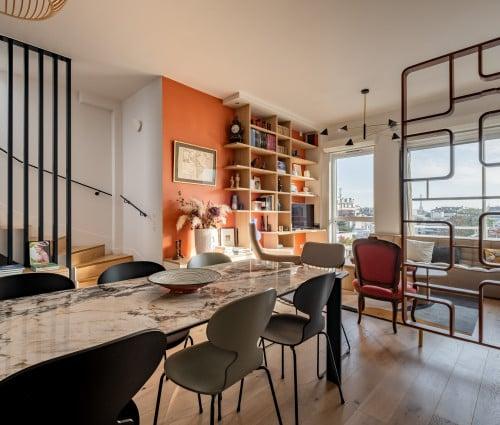
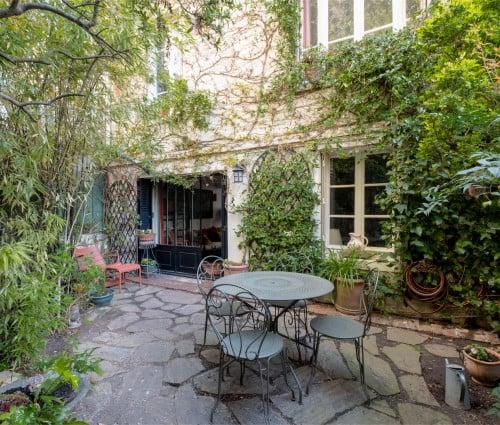
Whether you're arranging a romantic city break, a family vacation or a longer cultural escape, these 40 activities cover some of the city's most memorable attractions. Our Paris vacation rentals offer a comfortable base for exploring the French capital, with apartments close to famous landmarks, restaurants and vibrant neighborhoods.
Popular vacation rentals in Paris



Iconic Things to Do in Paris
1. Visit the Eiffel Tower
Location / Neighborhood: Champ de Mars, 7th Arrondissement
Best For: Couples, families, photographers and first-time visitors
Estimated Time Needed: 1.5–3 hours
Cost / Entry: Free to admire from outside; paid tickets for tower access
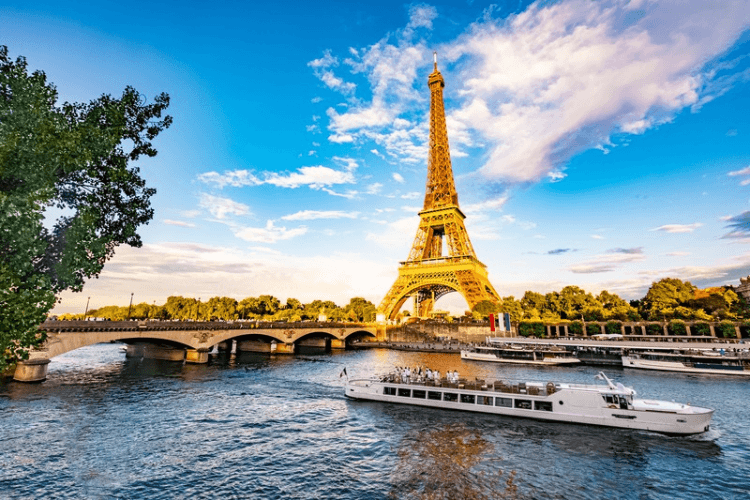
The Eiffel Tower is Paris's most recognizable landmark, rising above the Champ de Mars and offering spectacular views across the French capital. Visitors can admire the tower from the surrounding gardens, photograph it from Trocadéro or purchase tickets to ascend to its observation levels for panoramic views of the city.
The elevated viewing platforms reveal famous landmarks including the Seine, Arc de Triomphe and Sacré-Cœur in the distance. Evening visits are particularly memorable when Paris begins to illuminate and the tower's sparkling lights create a beautiful atmosphere.
Insider tip: book your preferred ascent in advance, particularly during summer and weekends, and allow time to explore the surrounding riverbanks and gardens.

2. Explore the Louvre Museum
Location / Neighborhood: 1st Arrondissement, Central Paris
Best For: Art lovers, families, couples and cultural sightseeing
Estimated Time Needed: 3–5 hours
Cost / Entry: Paid admission; selected visitors qualify for free entry
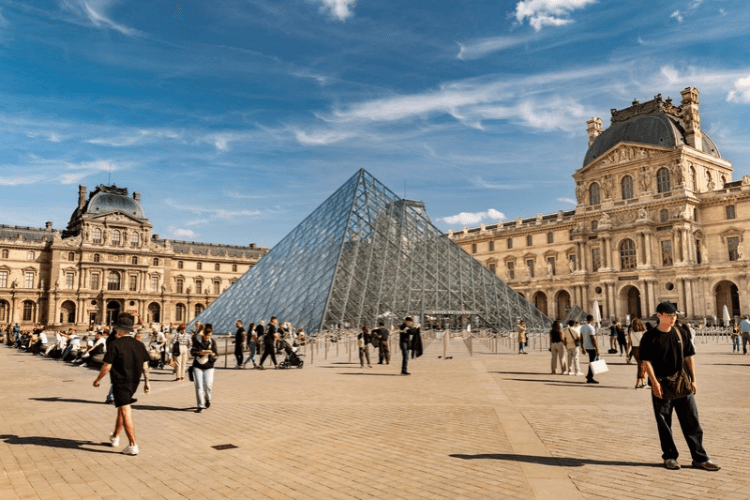
The Louvre is one of the world's most celebrated museums, housing extraordinary collections of paintings, sculptures and historical artifacts inside a former royal palace. Its most famous artworks include Leonardo da Vinci's Mona Lisa and the Winged Victory of Samothrace, although the museum contains countless other treasures worth discovering.
Visitors can explore magnificent galleries, admire the palace architecture and photograph the striking glass pyramid in the central courtyard. The scale of the museum means exploring everything in one visit is unrealistic, so choosing a few collections in advance is worthwhile.
Insider tip: reserve tickets ahead of time and plan your route around the artworks you most want to see.
3. Walk along the Seine River
Location / Neighborhood: Central Paris, between Île de la Cité and the Eiffel Tower
Best For: Couples, families, photographers and sightseeing
Estimated Time Needed: 1–3 hours
Cost / Entry: Free
Walking beside the Seine is one of the simplest and most enjoyable ways to experience Paris. The river flows past elegant bridges, historic buildings and famous landmarks, creating beautiful views throughout the city center.
Popular stretches include the riverbanks near Notre-Dame, the Louvre and Pont Alexandre III, where visitors can admire the architecture and watch sightseeing boats travel along the water. The pedestrian-friendly quays provide particularly pleasant walking routes during warmer months.
Insider tip: begin near Île de la Cité and follow the river west towards the Eiffel Tower for a scenic journey past several major attractions.
4. Visit Notre-Dame Cathedral
Location / Neighborhood: Île de la Cité, 4th Arrondissement
Best For: History lovers, families, architecture enthusiasts and cultural experiences
Estimated Time Needed: 1–2 hours
Cost / Entry: Free cathedral entry; additional experiences may charge admission
Notre-Dame Cathedral is one of Paris's most important historic landmarks, famous for its Gothic architecture, beautiful stained-glass windows and remarkable place in French history. Following extensive restoration after the 2019 fire, the cathedral reopened to visitors, once again welcoming people into its extraordinary interior.
Visitors can admire its towering vaulted ceilings, intricate stonework and religious artwork while learning about centuries of Parisian history. The surrounding Île de la Cité offers opportunities to explore picturesque streets and riverside viewpoints.
Insider tip: check current visiting arrangements before arriving and allow additional time to explore nearby Sainte-Chapelle and the historic bridges surrounding the island.

5. Stroll the Champs-Élysées
Location / Neighborhood: 8th Arrondissement
Best For: Couples, shoppers, families and first-time visitors
Estimated Time Needed: 1–2 hours
Cost / Entry: Free to explore; shopping and dining cost extra
The Champs-Élysées is one of the world's most famous avenues, stretching between Place de la Concorde and the Arc de Triomphe. The broad boulevard is lined with luxury boutiques, flagship stores, restaurants and elegant architecture, making it an essential stop for visitors exploring central Paris.
Walking along the avenue also offers a chance to appreciate the city's grand urban design and impressive monuments. Nearby gardens and historic squares provide opportunities to explore beyond the main shopping area.
Insider tip: combine your stroll with a visit to the Arc de Triomphe, and consider walking towards Place de la Concorde for beautiful views of the avenue's full length.
6. Climb the Arc de Triomphe
Location / Neighborhood: Place Charles de Gaulle, 8th Arrondissement
Best For: Couples, photographers, history lovers and sightseeing
Estimated Time Needed: 1–1.5 hours
Cost / Entry: Paid terrace admission; exterior viewing is free
The Arc de Triomphe is one of Paris's most impressive monuments, standing at the western end of the Champs-Élysées. Commissioned by Napoleon, the enormous triumphal arch honors French military history and overlooks the Tomb of the Unknown Soldier beneath its central vault.
Visitors can climb to the rooftop terrace for spectacular panoramic views of the city's grand avenues, which radiate outward from the monument. The elevated perspective is particularly impressive at sunset when the surrounding buildings begin to glow.
Insider tip: use the designated underground pedestrian passage to reach the monument rather than attempting to cross the busy roundabout.

Cultural & Historic Things to Do in Paris
7. Visit the Musée d'Orsay
Location / Neighborhood: 7th Arrondissement, Left Bank
Best For: Art lovers, couples and cultural sightseeing
Estimated Time Needed: 2–3 hours
Cost / Entry: Paid admission; selected free-entry arrangements
The Musée d'Orsay is one of Paris's most impressive art museums, housed inside a beautifully restored former railway station overlooking the Seine. Its collections focus on art from the 19th and early 20th centuries, including extraordinary Impressionist and Post-Impressionist paintings.
Visitors can admire works by Monet, Renoir, Degas and Van Gogh while exploring galleries beneath the building's magnificent glass roof. The museum's famous clock windows and elegant architecture make the building itself a memorable part of the experience.
Insider tip: book tickets in advance during busy periods and allow time to explore the upper galleries, which provide wonderful views across the museum's central hall.

8. Tour the Panthéon
Location / Neighborhood: Latin Quarter, 5th Arrondissement
Best For: History lovers, couples and architecture enthusiasts
Estimated Time Needed: 1–2 hours
Cost / Entry: Paid admission
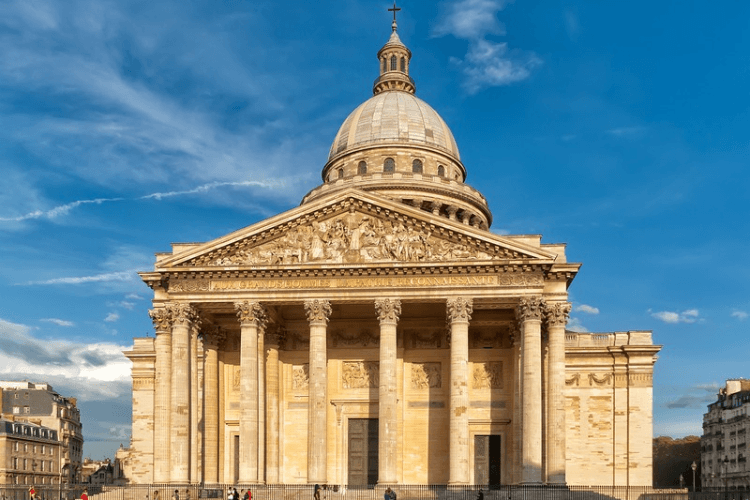
The Panthéon is one of the Latin Quarter's most recognizable landmarks, featuring an enormous dome and a beautiful neoclassical interior. Originally constructed as a church, the building became a national mausoleum honoring some of France's most influential historical figures.
Visitors can explore the impressive main hall and crypt, where notable figures including Victor Hugo, Marie Curie and Voltaire are commemorated or buried. The surrounding square also provides attractive views of the monument's striking exterior.
Insider tip: combine a visit with the nearby Luxembourg Gardens and Latin Quarter for an enjoyable afternoon of history, architecture and sightseeing.
9. Discover Les Invalides
Location / Neighborhood: 7th Arrondissement
Best For: History lovers, families and architecture enthusiasts
Estimated Time Needed: 2–3 hours
Cost / Entry: Paid museum and monument admission
Les Invalides is one of Paris's most impressive historic complexes, instantly recognizable by its magnificent golden dome. The site houses the Musée de l'Armée, which explores French military history through extensive collections of artifacts, armor and historical exhibits.
One of its most famous attractions is Napoleon Bonaparte's tomb, located beneath the spectacular Dôme des Invalides. Visitors can admire the elaborate architecture while learning about important periods of French and European history.
Insider tip: allow time for both the military museum and the domed church, as the wider complex offers considerably more to explore than its famous exterior suggests.
10. Explore Sainte-Chapelle
Location / Neighborhood: Île de la Cité, 1st Arrondissement
Best For: Couples, architecture lovers, photographers and history enthusiasts
Estimated Time Needed: 45 minutes–1.5 hours
Cost / Entry: Paid admission
Sainte-Chapelle is one of Paris's most breathtaking historic interiors, celebrated for its extraordinary stained-glass windows. Built during the 13th century, the Gothic chapel features soaring walls of colorful glass depicting hundreds of biblical scenes.
Visitors enter through the lower chapel before reaching the magnificent upper level, where sunlight transforms the interior into a spectacular display of color. The relatively compact attraction makes it easy to combine with other major landmarks on Île de la Cité.
Insider tip: visit on a bright day when natural light creates the most impressive effect through the stained glass, and reserve tickets ahead of time.

11. Visit the Palais Garnier
Location / Neighborhood: Opéra, 9th Arrondissement
Best For: Couples, architecture enthusiasts and cultural experiences
Estimated Time Needed: 1–2 hours
Cost / Entry: Paid self-guided or guided visits; performance tickets extra
The Palais Garnier is one of Paris's most spectacular architectural landmarks, famous for its grand staircase, elaborate decoration and opulent interiors. Completed in the 19th century, the opera house remains an important symbol of the city's performing arts heritage.
Visitors can admire richly decorated reception rooms, impressive marble details and the magnificent auditorium when it is accessible. The building's theatrical atmosphere also connects it with the famous story of The Phantom of the Opera.
Insider tip: check visiting arrangements before arriving, as rehearsals and performances can restrict access to certain areas of the building.
12. Discover the sculptures at Musée Rodin
Location / Neighborhood: 7th Arrondissement, near Les Invalides
Best For: Art lovers, couples, photographers and garden enthusiasts
Estimated Time Needed: 1.5–2.5 hours
Cost / Entry: Paid admission
Musée Rodin is one of Paris's most beautiful smaller museums, dedicated to the celebrated French sculptor Auguste Rodin. Housed in the elegant Hôtel Biron, the museum displays famous works including The Thinker and The Kiss alongside an extensive collection of sculptures, drawings and artistic studies.
The surrounding sculpture garden is a major attraction in its own right, with beautiful lawns, shaded pathways and artworks displayed against the backdrop of the historic mansion. It provides a peaceful alternative to Paris's larger museums.
Insider tip: visit when the weather is pleasant so you can fully enjoy the gardens, and combine your trip with nearby Les Invalides.

Neighborhoods to Explore in Paris
13. Wander Montmartre
Location / Neighborhood: Montmartre, 18th Arrondissement
Best For: Couples, photographers, art lovers and sightseeing
Estimated Time Needed: 2–4 hours
Cost / Entry: Free to explore; individual attractions vary
Montmartre is one of Paris's most atmospheric neighborhoods, famous for its cobbled streets, artists' squares and beautiful elevated views of the city. The district has a rich artistic heritage, having attracted painters and writers throughout its history.
Visitors can explore Place du Tertre, admire the magnificent Sacré-Cœur Basilica and discover charming cafés and independent boutiques hidden along the winding streets. The neighborhood's hilltop setting provides impressive viewpoints and a distinctive village-like atmosphere.
Insider tip: explore the quieter streets away from the basilica and arrive early if you want photographs without the busiest crowds.

14. Discover Le Marais
Location / Neighborhood: 3rd and 4th Arrondissements
Best For: Couples, shoppers, food lovers and history enthusiasts
Estimated Time Needed: 2–4 hours
Cost / Entry: Free to explore; attractions and shopping vary
Le Marais is one of Paris's most appealing neighborhoods, combining historic architecture, fashionable boutiques, art galleries and lively cafés. Its narrow streets and beautiful squares provide a different atmosphere from the city's grand boulevards.
Visitors can explore independent shops, discover museums or enjoy traditional bakeries and restaurants. The neighborhood also has a rich Jewish heritage and a vibrant contemporary cultural scene, making it a fascinating area for walking and sightseeing.
Insider tip: allow time to explore the smaller side streets, where you'll find some of the neighborhood's most charming shops and historic buildings.
15. Walk through Saint-Germain-des-Prés
Location / Neighborhood: 6th Arrondissement, Left Bank
Best For: Couples, café lovers, shoppers and cultural experiences
Estimated Time Needed: 2–3 hours
Cost / Entry: Free to explore; dining and shopping vary
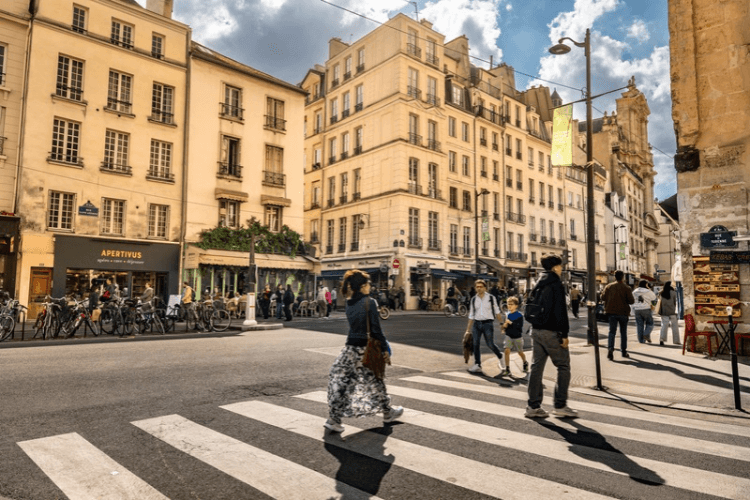
Saint-Germain-des-Prés is one of Paris's most celebrated neighborhoods, known for its literary history, elegant architecture and famous café culture. Writers, philosophers and artists once gathered in establishments such as Café de Flore and Les Deux Magots, helping establish the district's intellectual reputation.
Today, visitors can enjoy boutique shopping, independent bookshops, galleries and attractive streets filled with traditional Parisian character. It's particularly enjoyable for couples seeking a relaxed afternoon away from the busiest tourist attractions.
Insider tip: combine a café stop with a walk towards Luxembourg Gardens or the nearby Seine riverbanks.

16. Explore the Latin Quarter
Location / Neighborhood: 5th Arrondissement, Left Bank
Best For: History lovers, couples, students and food enthusiasts
Estimated Time Needed: 2–3 hours
Cost / Entry: Free to explore; individual attractions vary
The Latin Quarter is one of Paris's oldest and liveliest neighborhoods, famous for its historic universities, narrow streets and independent bookshops. The area has long been associated with education, literature and intellectual life, creating a distinctive atmosphere around the Sorbonne.
Visitors can discover traditional restaurants, beautiful architecture and landmarks including the Panthéon. Its winding streets provide excellent opportunities for wandering, while nearby gardens and riverside areas offer places to relax.
Insider tip: explore the smaller streets around Rue Mouffetard for food shops, cafés and a more local neighborhood atmosphere.
17. Visit Canal Saint-Martin
Location / Neighborhood: 10th Arrondissement
Best For: Couples, photographers, walkers and relaxed afternoons
Estimated Time Needed: 1–2 hours
Cost / Entry: Free
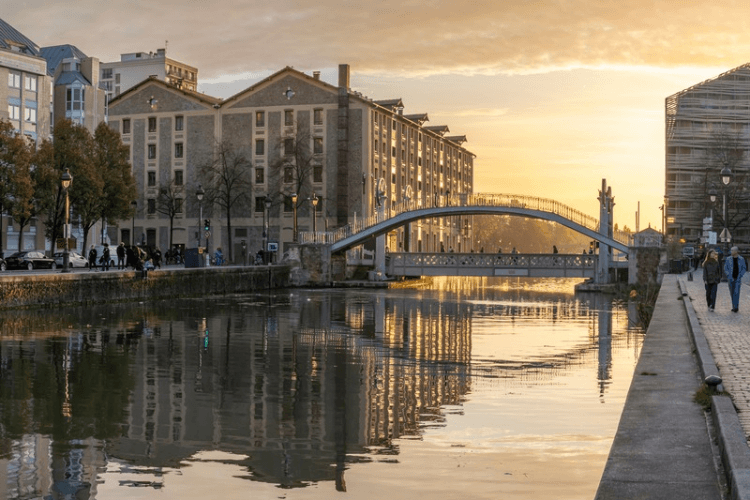
Canal Saint-Martin offers a different perspective on Paris, with attractive waterways, iron footbridges and tree-lined paths creating a relaxed neighborhood atmosphere. The canal is particularly popular with locals enjoying waterside walks, cafés and outdoor gatherings.
Visitors can watch boats passing through the historic locks, explore independent shops and discover restaurants in the surrounding streets. The area feels quieter and less formal than the city's major monuments, making it a pleasant alternative for an afternoon.
Insider tip: visit during late afternoon and combine a canalside stroll with dinner at one of the neighborhood's restaurants.
18. Explore Place des Vosges
Location / Neighborhood: Le Marais, 4th Arrondissement
Best For: Couples, families, history lovers and photographers
Estimated Time Needed: 45 minutes–1.5 hours
Cost / Entry: Free
Place des Vosges is one of Paris's most beautiful historic squares, surrounded by elegant red-brick buildings, symmetrical arcades and traditional Parisian architecture. Dating from the early 17th century, the square provides a peaceful green space in the heart of Le Marais.
Visitors can relax on the lawns, walk beneath the covered arcades or admire the beautifully preserved buildings surrounding the gardens. The nearby Maison de Victor Hugo adds a cultural attraction for visitors interested in French literature.
Insider tip: combine a visit with an afternoon exploring Le Marais, as the square is conveniently located near restaurants, boutiques and historic streets.
Outdoor Things to Do in Paris
19. Relax in the Luxembourg Gardens
Location / Neighborhood: 6th Arrondissement, Left Bank
Best For: Families, couples, walkers and relaxing afternoons
Estimated Time Needed: 1–2 hours
Cost / Entry: Free; selected activities may cost extra
The Luxembourg Gardens are among Paris's most beautiful public spaces, featuring elegant lawns, tree-lined pathways, fountains and impressive flower displays. Created around the Luxembourg Palace, the gardens provide a peaceful place to relax between visits to the city's museums and landmarks.
Visitors can admire the Medici Fountain, watch children sailing miniature boats on the central pond or enjoy a leisurely walk through the landscaped grounds. The gardens are particularly beautiful during spring and summer.
Insider tip: combine a visit with sightseeing in the Latin Quarter or Saint-Germain-des-Prés, both within easy walking distance.

20. Stroll the Tuileries Garden
Location / Neighborhood: 1st Arrondissement, between the Louvre and Place de la Concorde
Best For: Couples, families, photographers and sightseeing
Estimated Time Needed: 45 minutes–1.5 hours
Cost / Entry: Free
The Tuileries Garden is one of Paris's most famous historic parks, connecting the Louvre Museum with Place de la Concorde through an elegant landscape of formal pathways, fountains and manicured gardens.
Visitors can enjoy views of the surrounding monuments, admire statues and find a relaxing place to sit beside the ornamental ponds. Its central location makes it a convenient stop during a busy sightseeing day, particularly when exploring the Louvre or Musée de l'Orangerie.
Insider tip: walk through the gardens during the morning when the paths are generally quieter, or enjoy a peaceful break after visiting the nearby museums.
21. Visit Parc Monceau
Location / Neighborhood: 8th Arrondissement
Best For: Couples, families, photographers and relaxing walks
Estimated Time Needed: 1–2 hours
Cost / Entry: Free
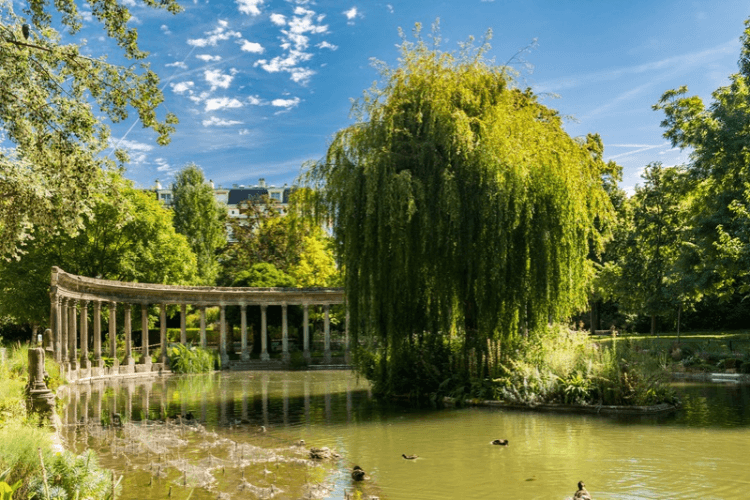
Parc Monceau is one of Paris's most attractive neighborhood parks, featuring ornamental gardens, winding paths, historic monuments and beautiful landscaping. Its elegant setting provides a quieter alternative to the gardens surrounding the city's biggest landmarks.
Visitors can admire a picturesque pond, classical-style columns and carefully designed pathways while enjoying a peaceful break from sightseeing. The park is particularly popular with local residents, adding to its relaxed atmosphere.
Insider tip: bring a takeaway pastry or coffee and enjoy a slower morning walk before exploring the surrounding streets of the 8th arrondissement.
22. Picnic along the Seine
Location / Neighborhood: Seine riverbanks, Central Paris
Best For: Couples, families, budget-friendly activities and romantic experiences
Estimated Time Needed: 1–2 hours
Cost / Entry: Free; food and drinks cost extra
A picnic beside the Seine is one of the most enjoyable ways to experience Paris at a slower pace. The riverbanks provide beautiful views of historic bridges, sightseeing boats and famous landmarks, creating a memorable setting for lunch or an early evening meal.
Visitors can purchase fresh bread, cheese, pastries and other treats from local shops before finding a comfortable spot along designated pedestrian quays. The atmosphere is particularly pleasant during warmer months when locals gather beside the water.
Insider tip: choose a riverside location with views of Île de la Cité or the Eiffel Tower and remember to keep the public spaces clean.

23. Explore Parc des Buttes-Chaumont
Location / Neighborhood: 19th Arrondissement
Best For: Couples, families, walkers and photographers
Estimated Time Needed: 1.5–2.5 hours
Cost / Entry: Free
Parc des Buttes-Chaumont is one of Paris's most distinctive public parks, known for its steep green hills, dramatic rock formations and beautiful views across the surrounding neighborhoods. Its landscape feels considerably more adventurous than the city's formal gardens, with winding trails, bridges and an impressive lake.
The park's elevated viewpoints provide beautiful scenery, while grassy areas offer opportunities to relax or enjoy a picnic. Its less central location also makes it appealing for visitors wanting to discover somewhere beyond the busiest tourist districts.
Insider tip: check which pathways and viewpoints are open, as some sections may be restricted for maintenance or safety reasons.
Unique & Hidden Things to Do in Paris
24. Explore the Catacombs of Paris
Location / Neighborhood: Montparnasse, 14th Arrondissement
Best For: History lovers, couples and unusual experiences
Estimated Time Needed: 1–1.5 hours
Cost / Entry: Paid admission; advance booking recommended
The Catacombs of Paris offer one of the city's most unusual historical experiences, taking visitors deep beneath the streets into a network of former quarry tunnels. Sections of the underground passageways contain carefully arranged human remains, reflecting the city's changing burial practices during the 18th and 19th centuries.
Visitors follow a designated route through atmospheric chambers while learning about the history of the tunnels and the people whose remains were transferred there. The experience is fascinating but may not suit visitors uncomfortable with enclosed underground spaces.
Insider tip: reserve tickets in advance and bring an extra layer, as temperatures underground remain cool throughout the year.

25. Discover Paris's covered passages
Location / Neighborhood: Grands Boulevards, 2nd and 9th Arrondissements
Best For: Couples, shoppers, photographers and history lovers
Estimated Time Needed: 1–2 hours
Cost / Entry: Free to explore; shopping and dining vary
Paris's covered passages are beautiful historic shopping arcades, many dating from the 19th century. These glass-roofed walkways feature elegant architectural details, independent boutiques, traditional bookshops and charming cafés.
Passage des Panoramas and Galerie Vivienne are among the best-known examples, offering atmospheric surroundings that feel very different from modern shopping centers. Visitors can admire decorative floors, historic shopfronts and beautifully preserved interiors while exploring the city's commercial heritage.
Insider tip: plan a walking route connecting several passages, particularly during rainy weather when their covered design provides a pleasant alternative to outdoor sightseeing.
26. Visit Père Lachaise Cemetery
Location / Neighborhood: 20th Arrondissement
Best For: History lovers, walkers, photographers and cultural experiences
Estimated Time Needed: 1.5–3 hours
Cost / Entry: Free
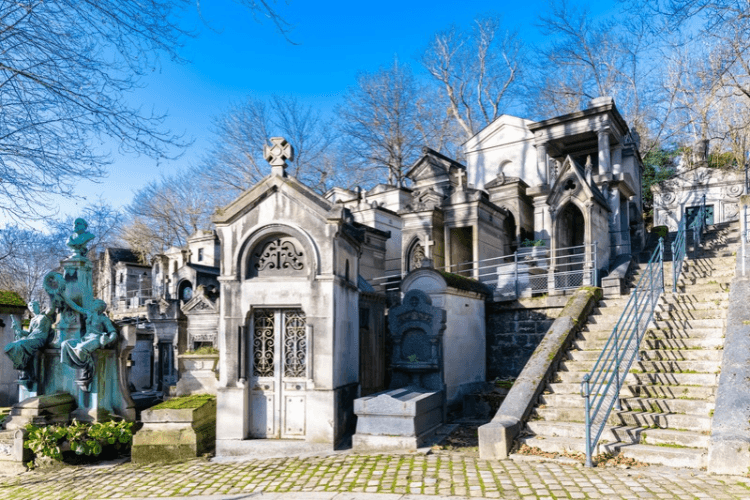
Père Lachaise Cemetery is one of Paris's most fascinating historic locations, combining beautiful landscaped pathways with the graves of famous artists, writers and musicians. The cemetery's winding avenues and elaborate monuments create an atmospheric setting for a peaceful walk.
Notable people buried here include Oscar Wilde, Jim Morrison and Édith Piaf, attracting visitors interested in literature, music and cultural history. The cemetery is much larger than many expect, with numerous sections worth exploring.
Insider tip: use a cemetery map to find specific graves, and remember that Père Lachaise remains an active burial ground where respectful behavior is essential.
27. Visit the Musée de l'Orangerie
Location / Neighborhood: Tuileries Garden, 1st Arrondissement
Best For: Art lovers, couples and cultural sightseeing
Estimated Time Needed: 1–2 hours
Cost / Entry: Paid admission
The Musée de l'Orangerie is one of Paris's most rewarding smaller art museums, particularly famous for Claude Monet's magnificent Water Lilies paintings. Displayed in specially designed oval rooms, the enormous artworks surround visitors with peaceful landscapes of water, reflections and natural color.
The museum also features collections of Impressionist and modern art, making it an excellent option for visitors seeking a more focused experience than the Louvre. Its location beside the Tuileries Garden adds to the appeal.
Insider tip: visit earlier in the day for a quieter experience in the Water Lilies rooms and combine your trip with a walk through the gardens.

28. Walk down Rue Crémieux
Location / Neighborhood: 12th Arrondissement, near Gare de Lyon
Best For: Couples, photographers and neighborhood exploring
Estimated Time Needed: 15–30 minutes
Cost / Entry: Free
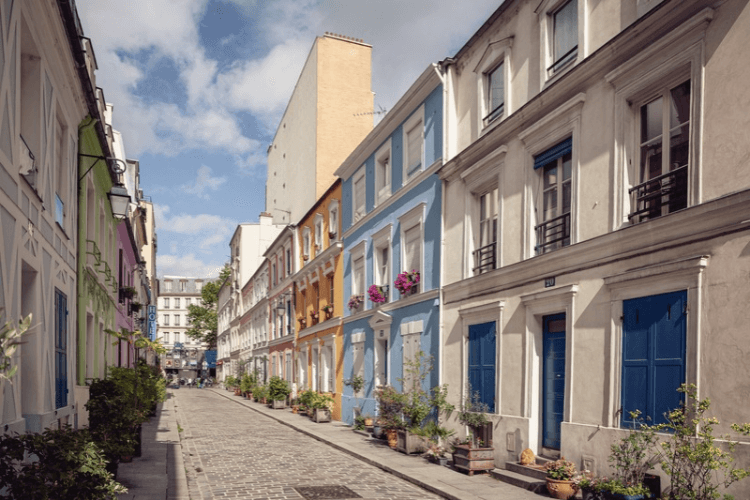
Rue Crémieux is one of Paris's most colorful residential streets, famous for its pastel-painted houses, charming architecture and decorative details. The quiet pedestrian-friendly street offers a striking contrast to the grand boulevards and historic monuments elsewhere in the city.
Visitors often stop to admire the distinctive façades and enjoy a short walk through the neighborhood. Its compact size makes it an easy addition to a wider itinerary around eastern Paris.
Insider tip: remember that Rue Crémieux is a residential street, so keep noise to a minimum, respect residents' privacy and avoid photographing people or homes intrusively.
29. Walk the Coulée Verte René-Dumont
Location / Neighborhood: 12th Arrondissement, near Bastille
Best For: Couples, walkers, photographers and outdoor enthusiasts
Estimated Time Needed: 1–2 hours
Cost / Entry: Free
The Coulée Verte René-Dumont, also known as the Promenade Plantée, is one of Paris's most unusual green spaces. Created along a former railway route, the elevated walkway takes visitors above city streets through landscaped gardens, flowering plants and peaceful pedestrian paths.
The route offers an alternative perspective on eastern Paris, with opportunities to admire surrounding buildings and discover quieter residential neighborhoods. Sections of the pathway also connect with street-level gardens and attractive walking routes.
Insider tip: begin near Bastille and follow the elevated section eastwards, allowing time to explore the Viaduc des Arts beneath part of the walkway.
Food & Drink Experiences in Paris
30. Experience a Parisian café
Location / Neighborhood: Saint-Germain-des-Prés, Le Marais and across Paris
Best For: Couples, food lovers and relaxed sightseeing
Estimated Time Needed: 30 minutes–1 hour
Cost / Entry: Food and drink purchases
Sitting at a traditional Parisian café is one of the city's most enjoyable everyday experiences. Whether you're ordering a morning coffee, enjoying a pastry or simply watching people pass by, café culture forms an important part of Parisian life.
Famous establishments include Café de Flore and Les Deux Magots in Saint-Germain-des-Prés, although smaller neighborhood cafés can offer an equally memorable atmosphere. Outdoor terraces are especially inviting during spring and summer when the city comes alive with street activity.
Insider tip: choose a café slightly away from the busiest monuments for a more relaxed experience, and take your time enjoying the surroundings.

31. Visit a local boulangerie
Location / Neighborhood: Throughout Paris
Best For: Food lovers, couples, families and budget-friendly experiences
Estimated Time Needed: 15–30 minutes
Cost / Entry: Food purchases
Visiting a traditional Parisian boulangerie is one of the easiest ways to enjoy the city's famous food culture. Neighborhood bakeries produce fresh baguettes, buttery croissants, pain au chocolat and an assortment of pastries that make breakfast or a quick snack particularly enjoyable.
The aroma of freshly baked bread and beautifully arranged displays are part of the experience, with many shops serving local residents throughout the day. Visitors can choose something simple to enjoy while exploring nearby streets or gardens.
Insider tip: visit in the morning for freshly baked pastries and consider trying a neighborhood bakery away from major tourist attractions.
32. Explore Paris food markets
Location / Neighborhood: Le Marais, Rue Cler and neighborhoods throughout Paris
Best For: Food lovers, couples, families and cultural experiences
Estimated Time Needed: 1–2 hours
Cost / Entry: Free to browse; food purchases extra
Paris's food markets offer a wonderful introduction to the city's everyday culinary traditions, with stalls selling fresh produce, cheeses, baked goods and regional specialties. Visiting a market provides opportunities to discover the ingredients and flavors that make French cuisine so celebrated.
Marché des Enfants Rouges in Le Marais is one of the city's most famous covered markets, known for its food stalls and lively atmosphere. Other neighborhood markets offer colorful displays of seasonal produce and traditional ingredients.
Insider tip: visit around lunchtime if you want to sample prepared dishes, and check market opening days before traveling.

33. Take a wine or cheese tasting
Location / Neighborhood: Le Marais, Saint-Germain-des-Prés and central Paris
Best For: Couples, food lovers and groups
Estimated Time Needed: 1–2 hours
Cost / Entry: Paid tasting experience
A guided wine or cheese tasting is a delicious way to discover France's celebrated culinary traditions without leaving Paris. Tastings often introduce visitors to regional cheeses, different styles of French wine and the techniques used to pair complementary flavors.
Knowledgeable hosts may explain how products are made, where they originate and what makes different regions distinctive. Some experiences take place in intimate tasting rooms or specialist food shops, creating a relaxed atmosphere for couples and groups.
Insider tip: book a guided tasting if you're new to French cheeses or wine, and consider choosing a session that introduces products from several different regions.

34. Dine at a traditional Paris bistro
Location / Neighborhood: Throughout Paris, especially Saint-Germain and Le Marais
Best For: Couples, food lovers, families and evening experiences
Estimated Time Needed: 1.5–2.5 hours
Cost / Entry: Restaurant dining costs vary
Dining at a traditional Parisian bistro is one of the city's most rewarding food experiences, combining classic French cooking with intimate dining rooms and a welcoming atmosphere. Menus often feature familiar dishes such as steak frites, onion soup, duck confit and seasonal desserts.
Bistros range from casual neighborhood restaurants to more refined establishments, offering options for different budgets and occasions. The experience is particularly enjoyable during the evening when the city's restaurants fill with locals and visitors.
Insider tip: reserve ahead for popular dinner services and look for seasonal menus, which often highlight fresh ingredients and regional specialties.
35. Learn French cooking at a Paris culinary class
Location / Neighborhood: Central Paris, including Le Marais and Saint-Germain
Best For: Couples, families, food lovers and groups
Estimated Time Needed: 2–4 hours
Cost / Entry: Paid cooking experience
A French cooking class offers a memorable opportunity to learn some of Paris's culinary traditions firsthand. Visitors can join guided workshops focused on classic French dishes, pastries, macarons or baking techniques, often preparing recipes alongside professional instructors.
Some classes begin with a visit to a local market, where participants learn about ingredients before returning to the kitchen to prepare their dishes. The experience is particularly appealing for couples and families wanting something more interactive than a traditional restaurant meal.
Insider tip: choose a class suited to your interests and experience level, and book ahead during busy travel periods.
Things to Do in Paris at Night
36. Take a Seine river cruise
Location / Neighborhood: Seine River, Central Paris
Best For: Couples, families, photographers and romantic experiences
Estimated Time Needed: 1–2 hours
Cost / Entry: Paid cruise tickets; dining packages cost extra
An evening cruise along the Seine is one of the most memorable ways to see Paris illuminated after dark. Sightseeing boats travel beneath beautiful bridges and past famous landmarks, providing uninterrupted views of the city's architecture from the water.
Popular routes include views of the Eiffel Tower, Notre-Dame and the Louvre, while some operators offer dinner cruises with additional dining and entertainment. The atmosphere is particularly romantic as the lights reflect across the river.
Insider tip: choose a departure around sunset to experience the transition from daylight into evening, and book in advance during popular travel periods.

37. Watch the Eiffel Tower sparkle
Location / Neighborhood: Eiffel Tower, Trocadéro and surrounding riverbanks
Best For: Couples, photographers, families and romantic experiences
Estimated Time Needed: 30 minutes–1 hour
Cost / Entry: Free
Watching the Eiffel Tower sparkle is one of Paris's most magical evening experiences. After dark, the landmark's decorative lights create a spectacular display that transforms the skyline and attracts visitors to nearby viewpoints.
Popular places to watch include Trocadéro, Pont d'Iéna and the banks of the Seine, where the tower can be admired from different perspectives. The combination of illuminated architecture and the surrounding city atmosphere makes the experience particularly memorable.
Insider tip: check current lighting schedules and arrive before the expected display to find a suitable viewpoint without rushing.
38. See a cabaret show
Location / Neighborhood: Pigalle, Montmartre and Central Paris
Best For: Couples, groups and evening entertainment
Estimated Time Needed: 2–3 hours
Cost / Entry: Paid show tickets; dining packages vary
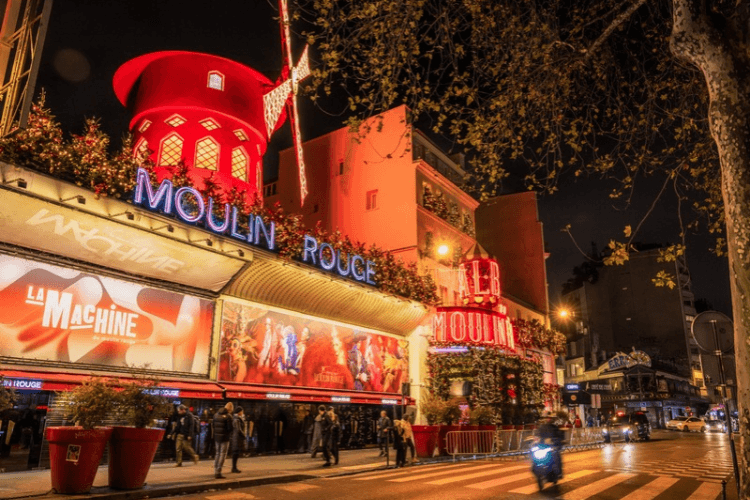
Paris is famous for its traditional cabaret entertainment, combining elaborate costumes, music, dance and theatrical performances. The Moulin Rouge in Pigalle is one of the city's most recognizable venues, known for its historic association with the French cancan.
Visitors can enjoy a lively evening performance in an atmospheric setting that reflects Paris's entertainment heritage. Different venues offer a range of styles, from traditional revue shows to contemporary productions.
Insider tip: book tickets well in advance for famous venues and check dress codes, age restrictions and performance schedules before attending.
39. Explore nightlife in Pigalle or Oberkampf
Location / Neighborhood: Pigalle, 9th Arrondissement, and Oberkampf, 11th Arrondissement
Best For: Couples, groups and nightlife
Estimated Time Needed: 2–4 hours
Cost / Entry: Free to explore; drinks, entertainment and venues vary
Pigalle and Oberkampf are two of Paris's most recognizable nightlife neighborhoods, each offering a different atmosphere. Pigalle is known for its historic entertainment venues, theaters and lively bars, while Oberkampf has a reputation for relaxed drinking spots and a younger nightlife scene.
Visitors can discover cocktail bars, live music venues and late-night restaurants while exploring the surrounding streets. Both neighborhoods offer an alternative to formal dining and traditional sightseeing.
Insider tip: choose your neighborhood based on the atmosphere you prefer and check individual venue opening hours before planning an evening out.

40. Enjoy panoramic city views from a Paris rooftop
Location / Neighborhood: Central Paris, including Opéra and Le Marais
Best For: Couples, photographers, groups and romantic evenings
Estimated Time Needed: 1–2 hours
Cost / Entry: Viewing terraces may be free; rooftop bars and restaurants charge for purchases
A rooftop terrace is one of the most enjoyable places to appreciate Paris's beautiful skyline, with views across historic rooftops, grand monuments and famous landmarks. Selected department stores and hotels offer elevated spaces where visitors can admire the city from a different perspective.
Some terraces provide panoramic views of the Eiffel Tower, while others overlook the Opéra district and surrounding boulevards. Evening visits are particularly atmospheric as the city's buildings begin to illuminate.
Insider tip: check public access arrangements and reservation requirements before visiting, as some rooftops are seasonal or restricted to customers and hotel guests.
Seasonal Events in Paris
Bastille Day
When: July 14
Bastille Day is France's national holiday, bringing spectacular celebrations to Paris every July. The city hosts a major military parade, public festivities and an impressive evening fireworks display around the Eiffel Tower.
Visitors can enjoy the atmosphere throughout the capital, with large crowds gathering around famous landmarks and public spaces. It's a particularly memorable time to experience French traditions and the city's celebratory spirit. Check the annual program for parade arrangements, transport restrictions and recommended fireworks viewing areas.
Paris Fashion Week
When: Various dates throughout the year, particularly during major seasonal collections
Paris Fashion Week is one of the world's most prestigious fashion events, bringing international designers, models, journalists and industry professionals to the French capital.
Although many runway shows are invitation-only, the city takes on a particularly fashionable atmosphere, with designer showcases, exhibitions and stylish gatherings across different neighborhoods. Visitors can enjoy boutique shopping, discover fashion-focused exhibitions and experience Paris during one of its most influential cultural events.
Paris Pride
When: Typically June
Paris Pride brings colorful celebrations, community gatherings and a major annual march to the streets of the French capital. The event celebrates LGBTQ+ communities and equality, with participants and supporters gathering for a lively and meaningful occasion.
Visitors can experience the atmosphere along the parade route and discover associated cultural activities and entertainment around the city. The event offers an opportunity to experience an important part of contemporary Parisian life. Check the annual schedule for march details and related celebrations.
Nuit Blanche
When: Typically June
Nuit Blanche transforms Paris into an enormous contemporary art experience, with installations, performances and cultural activities taking place across the city. Museums, public spaces and unusual venues may host special exhibitions and creative experiences.
The event is particularly appealing for art lovers and visitors looking for something different from traditional sightseeing. Wandering between installations offers opportunities to discover neighborhoods and cultural spaces in a unique atmosphere. Check the annual program before visiting, as participating venues and opening hours vary.
French Open at Roland-Garros
When: May–June
The French Open is one of tennis's four Grand Slam tournaments, attracting leading players and spectators from around the world to Roland-Garros in western Paris.
Visitors can watch world-class tennis on the famous clay courts while enjoying the lively atmosphere surrounding the tournament. The competition is a particularly exciting addition to a late-spring vacation for sports enthusiasts. Tickets for popular matches can be in high demand, so early planning is recommended.