The best time to visit France
The best time to visit France is spring and early fall. Read on for the best weather, crowds, and events, plus when to ski and hit the coast.
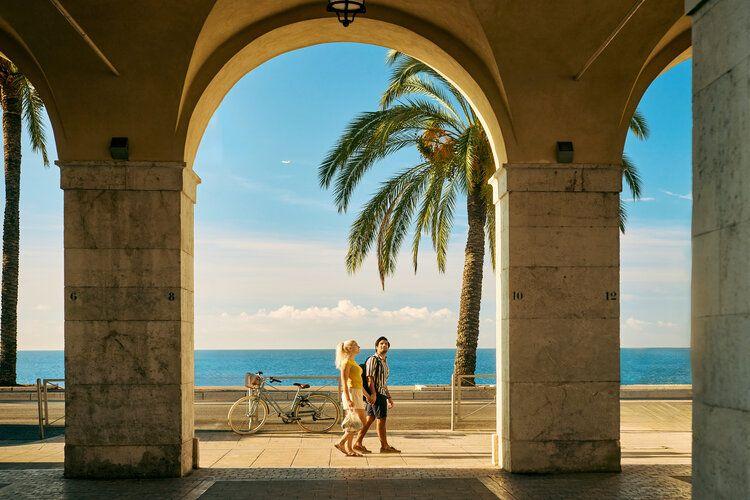
When to go to France for the best weather, crowds and events?
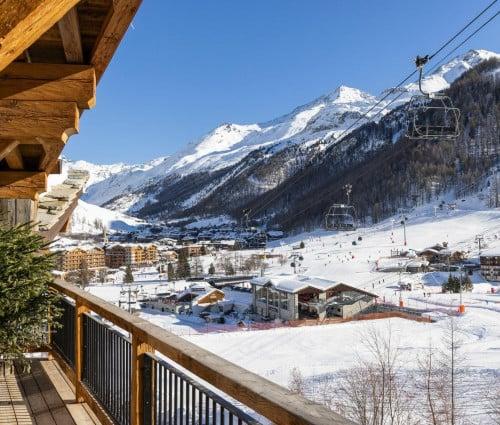
The best time to visit France is usually April to June and September to October, when the weather is mild, the days are long, and Paris, the countryside, and the Côte d’Azur are easier to enjoy without peak-summer crowds. These months are ideal for most travelers, whether you want city breaks in Paris, vineyard and countryside drives, or beach time on the Riviera. Summer is best for coastal vacations, festivals, and long evenings, while December to March is ideal for skiing and snowboarding in the French Alps.
If you are looking for fewer crowds or better value, January, February, and November can work well for Paris and the Côte d’Azur, though the weather is cooler. Some travelers may prefer to avoid July and August, when Paris and the Riviera are busiest and hottest. Whatever season you choose, France offers a strong mix of culture, coast, countryside, and mountain travel.
In this guide, you’ll find:
- The best time to visit France for different travel styles
- Answers to common FAQs
- A month-by-month guide with top experiences, events, and attractions
- A guide to where to stay in France

A quick guide to the best months to visit France
What are the best months to visit France overall?
For most travelers, the best months to visit France are April, May, June, September, and October. These months usually offer the best balance of pleasant weather, good sightseeing conditions, and fewer crowds than peak summer.
When should I visit the Côte d’Azur?
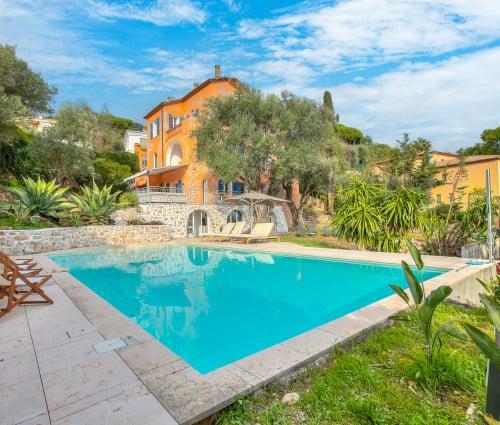
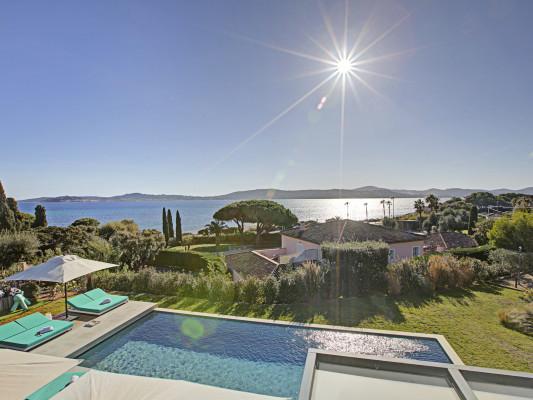
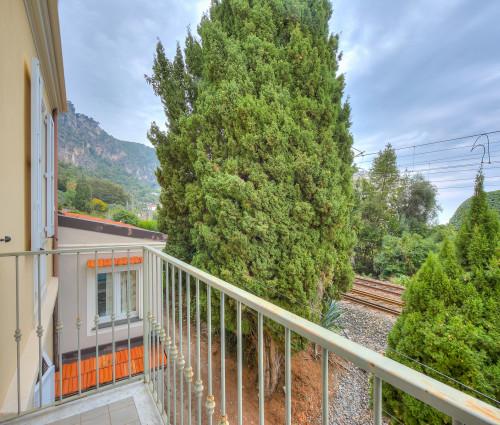
The best time to visit the Côte d’Azur is usually May to September for warm weather, beach days, and coastal dining. June and September often offer the best mix of sunshine, sea temperatures, and lighter crowds than July and August.
When is the best time to visit the French Alps?
For skiing and snowboarding, the best time to visit the French Alps is December to March. For hiking, mountain scenery, and summer stays, June to September is usually best.
What is the best time to visit Paris?
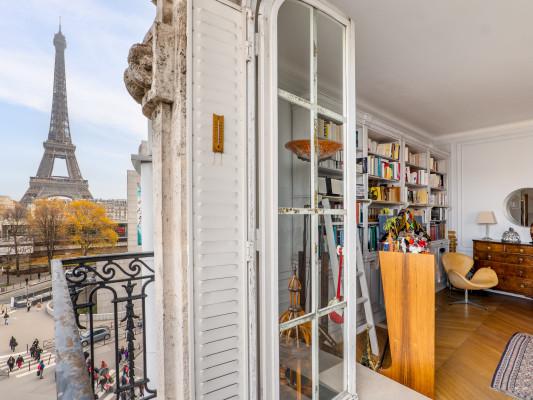
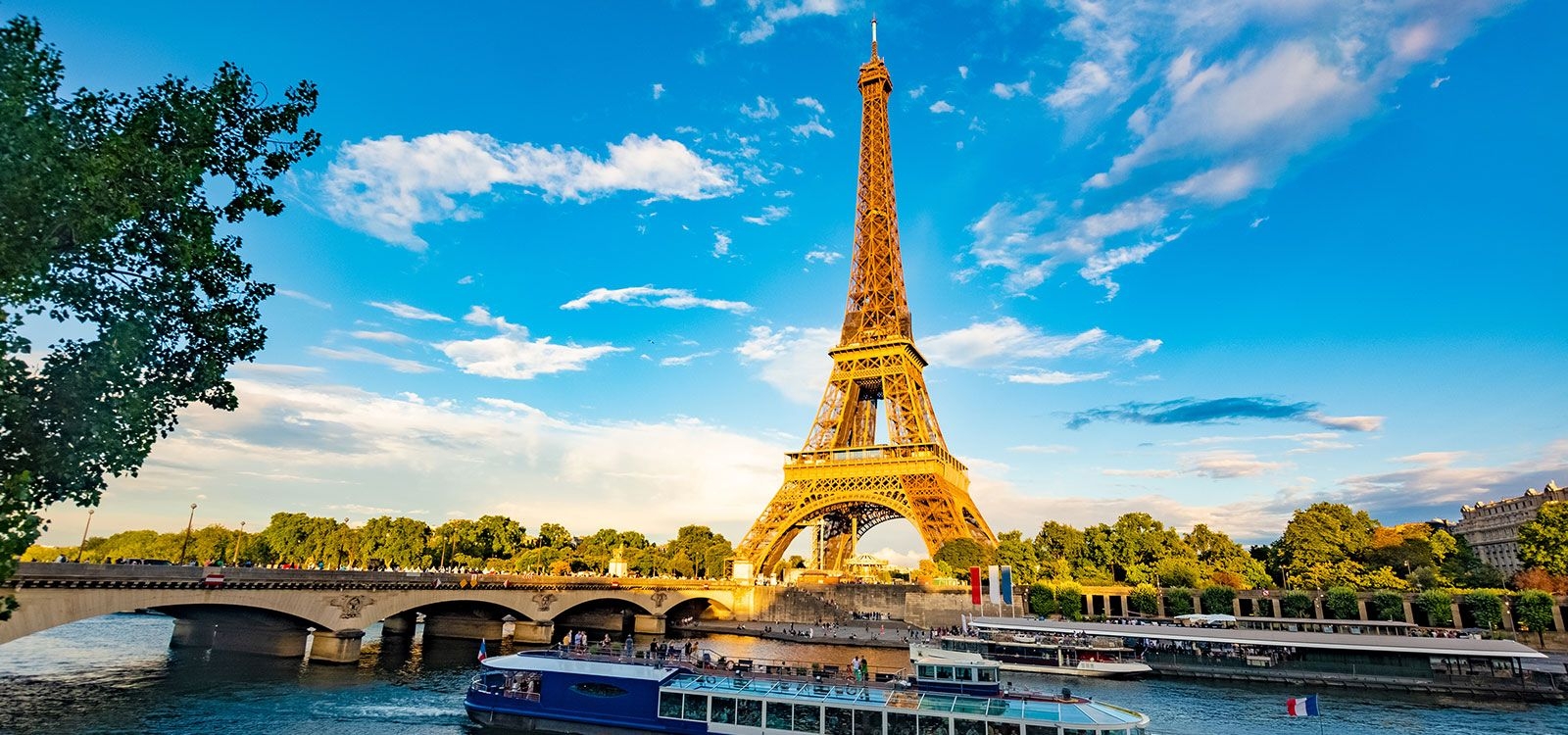
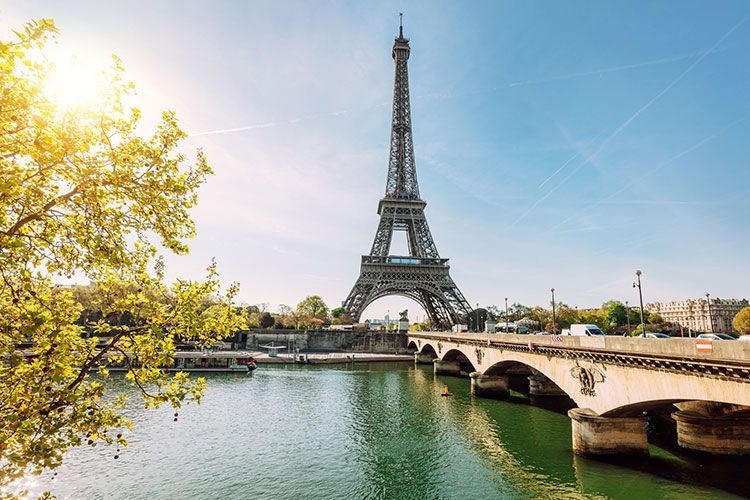
Paris is usually best in spring and early fall, especially April to June and September to October, when walking, museums, cafés, and gardens are easier to enjoy. January and February are quieter and can work well for a lower-key city break focused on culture and food.
What are the best France events by season?
Spring
- Nice Carnival (February/March) - One of France’s biggest carnivals, with parades, flower battles, and major celebrations on the Riviera.
- Festival de Cannes (May) - Cannes’ world-famous film festival brings international cinema, premieres, and red-carpet energy to the Côte d’Azur.
Summer
- Fête de la Musique (June) - Free concerts and performances take over streets and squares across France on the summer solstice.
- Tour de France (July) - France’s biggest cycling event crosses some of the country’s most spectacular landscapes before its Paris finish.
- Bastille Day (July 14) - National Day celebrations bring fireworks, military parades, and public festivities across the country.
Autumn
-
European Heritage Days (September) - Historic buildings and landmark sites across France open for special visits and tours.
-
Fête des Vendanges de Montmartre (October) - Paris’s grape harvest festival brings parades, tastings, concerts, and a lively local atmosphere to Montmartre.
Winter
- Christmas markets (late November to December) - Markets across France, especially in Alsace, bring lights, festive food, and seasonal shopping.
- Lyon Festival of Lights (December) - Lyon’s annual light festival transforms the city with large-scale illuminations and projections.
Is France a good year-round destination?
Yes. France works well year-round because it offers city breaks in Paris, summer beach vacations on the Côte d’Azur, wine and countryside trips in spring and fall, and ski stays in the Alps through winter.
The best time to visit France: a month-by-month guide
From spring city breaks in Paris to summer days on the Côte d’Azur and winter skiing in the Alps, the best time to visit France depends on the kind of trip you want. Use this month-by-month guide to plan around the country’s top seasonal experiences, regional highlights, and annual events.
France in January

January is a quieter month in France and a good time for museums, cafés, winter city breaks, and ski vacations. Paris feels calmer after the holidays, the Côte d’Azur is mild enough for relaxed sightseeing, and the French Alps are in peak ski season.
Weather in France in January
Cool in Paris, mild on the Côte d’Azur, and cold and snowy in the French Alps. Average temperature: Paris 3–7°C (37–45°F) | Côte d’Azur 7–13°C (45–55°F) | French Alps -6–2°C (20–35°F).
France in February

February is a strong month for food, culture, and winter scenery. Paris is quieter and more romantic, Nice comes alive with Carnival season, and the French Alps offer some of the year’s best ski conditions.
Weather in France in February
Cool in Paris, mild on the Riviera, and cold with reliable snow in the Alps. Average temperature: Paris 3–8°C (38–47°F) | Côte d’Azur 8–13°C (46–56°F) | French Alps -6–2°C (21–36°F).
France in March
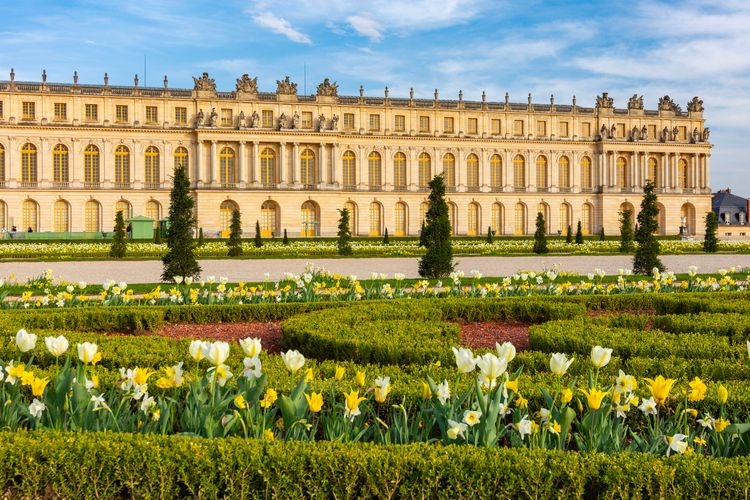
March brings early spring to much of France, with longer days and lighter crowds. Paris begins to brighten, the Côte d’Azur is fresh and pleasant for coastal walks, and the Alps still work well for late-season skiing.
Weather in France in March
Cool and brighter in Paris, mild on the coast, and still snowy at higher Alpine resorts. Average temperature: Paris 6–12°C (42–54°F) | Côte d’Azur 10–16°C (50–60°F) | French Alps -4–6°C (25–42°F).
France in April
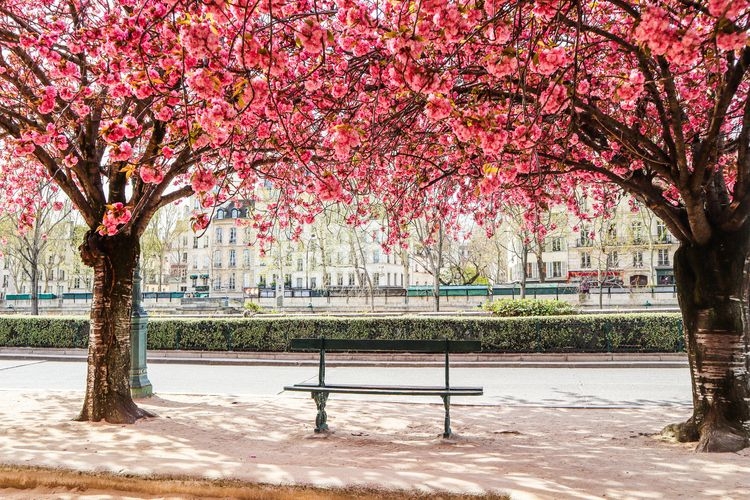
April is one of the best times to visit France for spring sightseeing. Paris parks and gardens are in bloom, the Côte d’Azur is bright and scenic without summer crowds, and higher Alpine resorts may still have late-season skiing.
Weather in France in April
Mild in Paris, bright on the Riviera, and mixed in the Alps as winter fades. Average temperature: Paris 8–16°C (46–60°F) | Côte d’Azur 13–18°C (55–65°F) | French Alps -1–10°C (30–50°F).
France in May
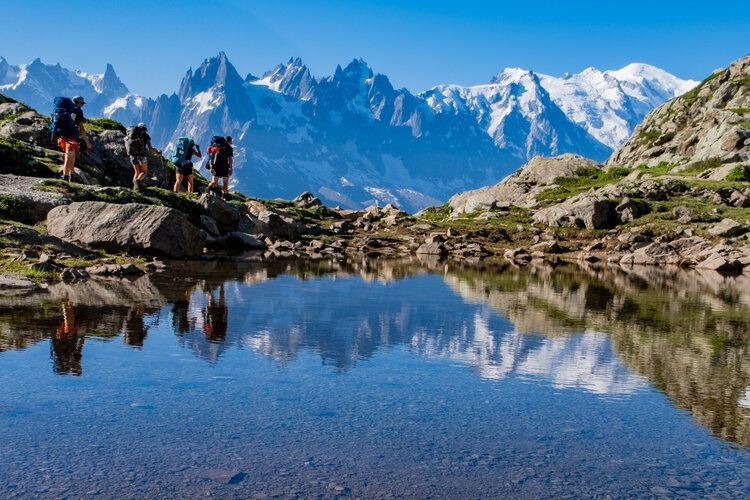
May is one of the best months to visit France. The weather is warm but not too hot, gardens and countryside landscapes look their best, and the Côte d’Azur starts to feel summery without peak-season crowds.
Weather in France in May
Warm and pleasant in Paris, sunny on the coast, and fresh in the mountains. Average temperature: Paris 11–20°C (52–68°F) | Côte d’Azur 16–22°C (60–72°F) | French Alps 4–16°C (40–60°F).
France in June

June brings long days, warm weather, and a lively feel across the country. Paris is vibrant, Provence and the countryside are at their best, and the Côte d’Azur offers beach-friendly conditions before the busiest weeks of summer.
Weather in France in June
Warm in Paris, hotting up on the Riviera, and comfortable in the Alps for hiking. Average temperature: Paris 15–24°C (59–75°F) | Côte d’Azur 18–27°C (65–80°F) | French Alps 10–21°C (50–70°F).
France in July
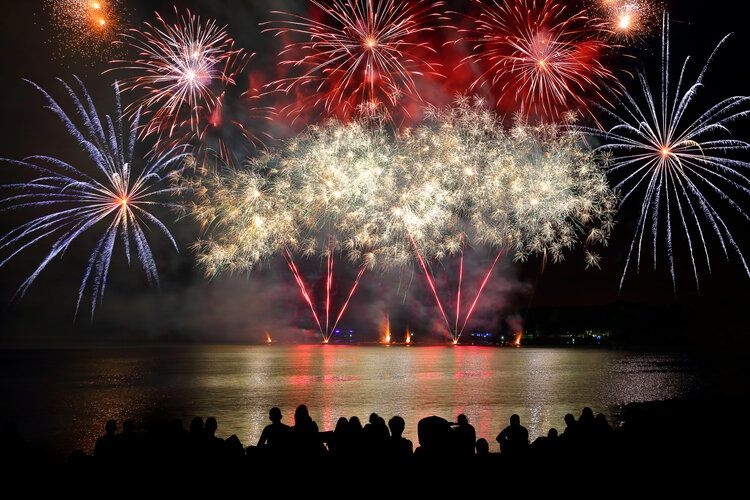
July is peak summer in France and best for beaches, festivals, and long outdoor days. Paris is lively with Bastille Day celebrations, the Côte d’Azur is in full summer mode, and the Alps are excellent for hiking and mountain scenery.
Weather in France in July
Hot in Paris, very warm on the coast, and warm in the mountains. Average temperature: Paris 18–28°C (64–82°F) | Côte d’Azur 21–31°C (70–88°F) | French Alps 13–24°C (55–75°F).
France in August
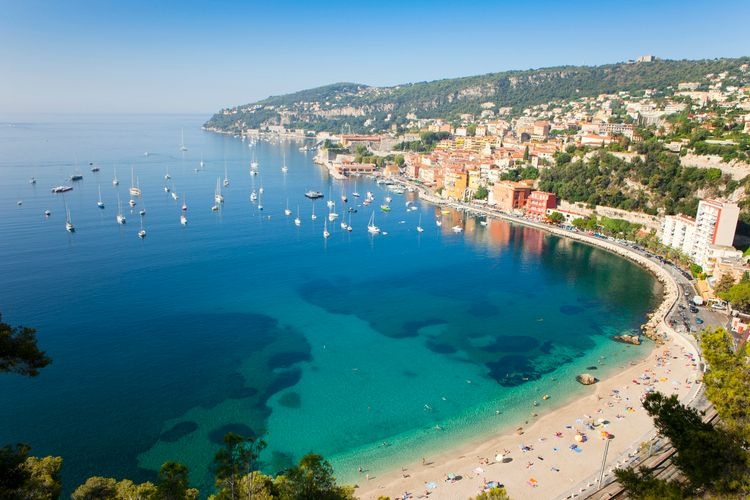
August is the hottest and busiest month in much of France. It suits beach vacations and summer travel on the Côte d’Azur, while Paris feels quieter locally as many residents head away, and the Alps remain a strong choice for active outdoor trips.
Weather in France in August
Hot in Paris, hottest on the Riviera, and pleasantly warm in the Alps. Average temperature: Paris 18–29°C (64–84°F) | Côte d’Azur 22–32°C (72–90°F) | French Alps 13–25°C (55–77°F).
France in September

September is one of the best times to visit France. The weather stays warm, the main summer crowds ease, and Paris, wine regions, and the Côte d’Azur all become easier to enjoy. It is one of the strongest months for food, wine, and sightseeing.
Weather in France in September
Mild in Paris, warm on the coast, and cooler in the Alps. Average temperature: Paris 15–24°C (59–75°F) | Côte d’Azur 19–27°C (66–80°F) | French Alps 7–18°C (45–65°F).
France in October
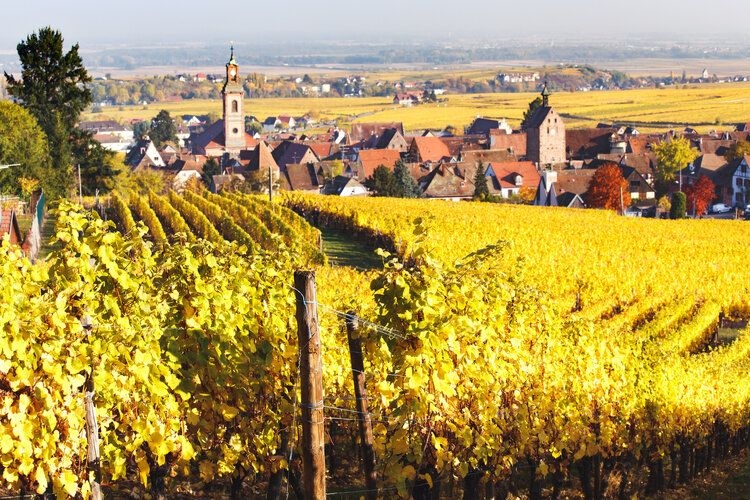
October brings autumn color, harvest season, and a calmer pace. Paris feels atmospheric, the countryside is especially good for food and wine trips, and the Côte d’Azur still works well for sightseeing in milder weather.
Weather in France in October
Cooler in Paris, still mild on the coast, and crisp in the Alps. Average temperature: Paris 10–18°C (50–64°F) | Côte d’Azur 16–22°C (60–72°F) | French Alps 2–13°C (35–55°F).
France in November
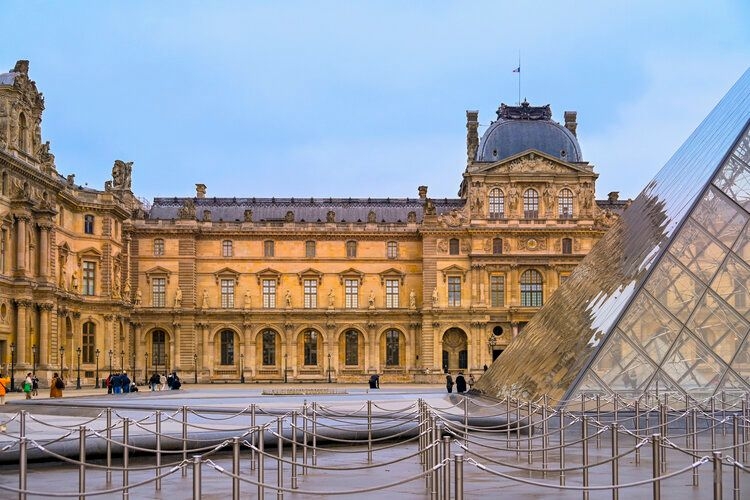
November is quieter and better value, especially for culture-focused trips. Paris is calm and good for museums and cafés, the Côte d’Azur stays relatively mild, and the Alps begin to shift toward winter.
Weather in France in November
Cool in Paris, mild on the Côte d’Azur, and cold in the Alps. Average temperature: Paris 6–13°C (43–55°F) | Côte d’Azur 11–18°C (52–64°F) | French Alps -4–7°C (25–45°F).
France in December
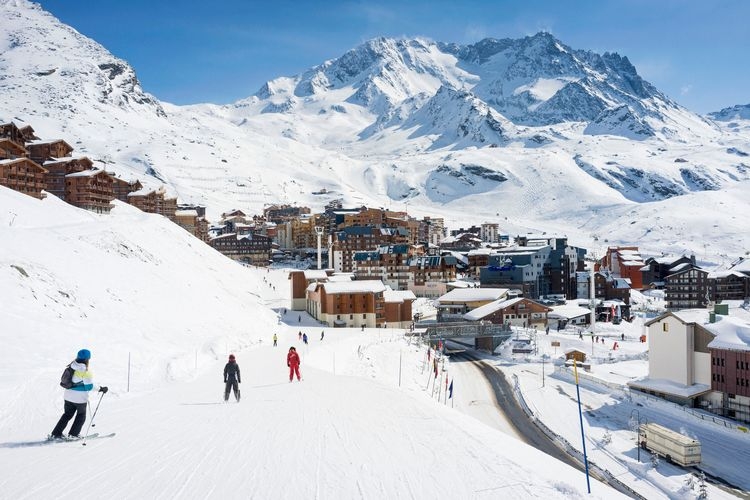
December is festive and atmospheric across France. Paris sparkles with holiday lights, Christmas markets are a highlight in places like Alsace, and the French Alps begin their main ski season.
Weather in France in December
Cold in Paris, mild on the Côte d’Azur, and snowy in the French Alps. Average temperature: Paris 3–8°C (37–47°F) | Côte d’Azur 8–14°C (46–58°F) | French Alps -6–2°C (20–35°F).
Where to stay in France
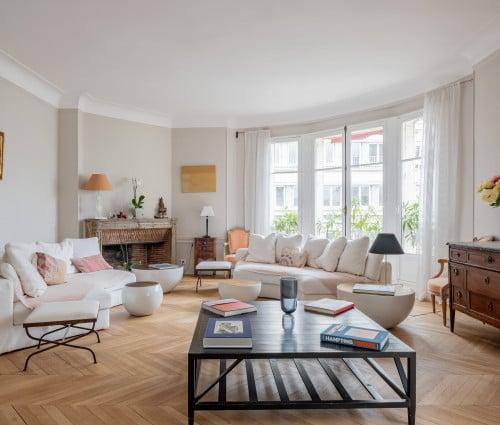
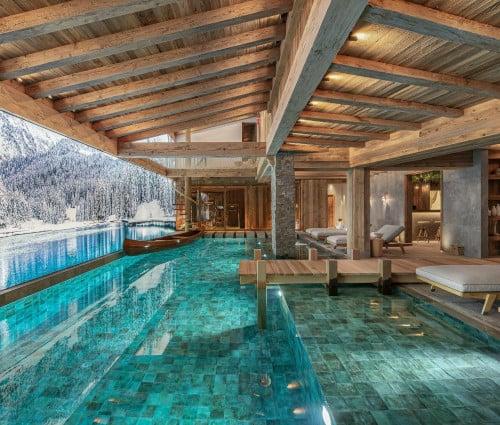
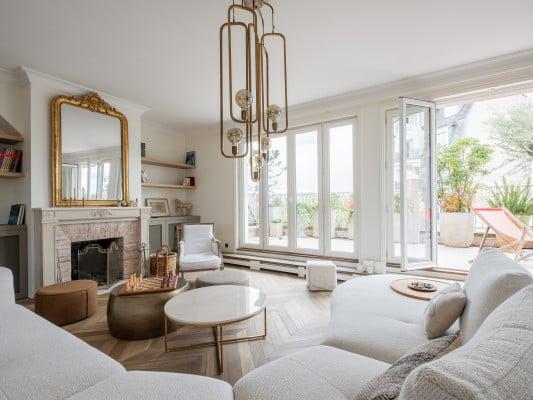
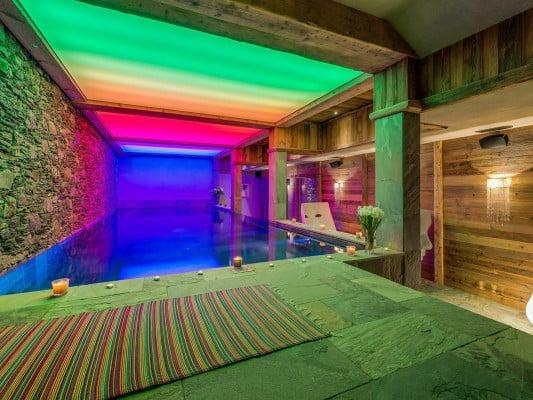
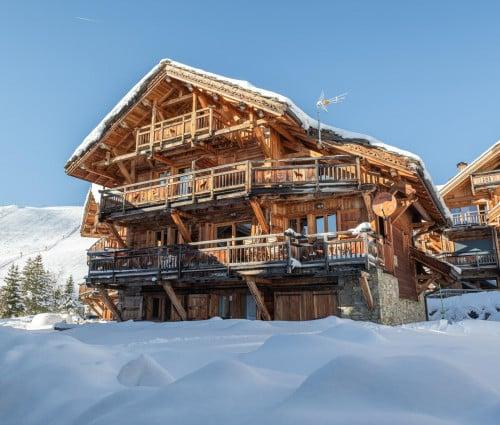
Whether you're planning on a romantic city break to Paris, a sun-drenched family beach break on the Côte d’Azur or a group ski break in the Alps, our private France vacation rentals offer the perfect base - with optional Concierge for a seamless, self-catering stay. Featuring exclusive home comforts and amenities, alongside welcome extras such as optional pools, chalet spa amenities, alfresco dining terraces and more, check-in to your dream home-from-home in France, with Top Villas.
Explore France villas