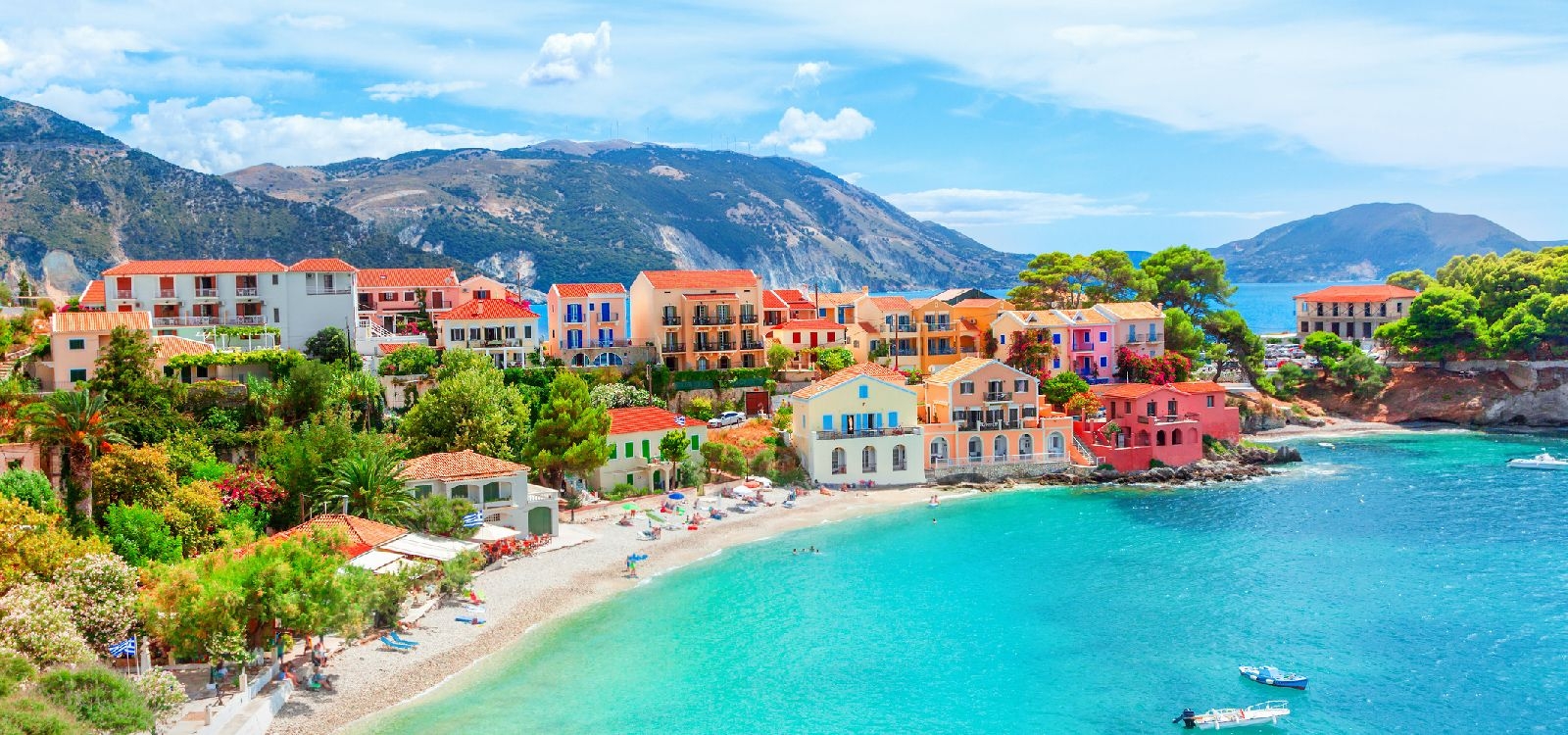
The best time to visit Greece
The best time to visit Greece is late spring and early fall. Read on for the best weather, crowds, and events, plus when to sightsee, swim, and island-hop.
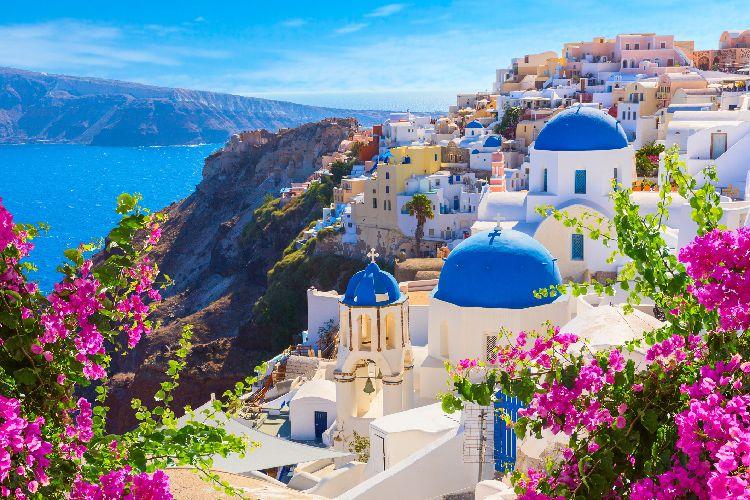
When to go to Greece for the best weather, crowds and events?
The best time to visit Greece is usually May to June and September to October, when the weather is warm, the sea is inviting, and the crowds are lighter than in peak summer. These months suit most travelers, whether you want island-hopping in Santorini and Mykonos, beach time in Crete and Rhodes, or sightseeing in Athens, Delphi, and Meteora. July and August are best for classic high-summer beach vacations and nightlife, while April and October are especially good for hiking, culture, and a more relaxed pace.
If you are looking for the cheapest time to visit Greece or fewer crowds, March, April, and November can offer better value when it comes to Greece holiday rentals, especially on the mainland and larger islands. Some travelers may prefer to avoid July and August, when Greece is hottest and busiest, especially in Athens, Santorini, and Mykonos.
In this guide, we’ll cover:
- The best time to visit Greece for different travel styles
- Answer common FAQs
- Explain regional differences between the mainland and islands
- Share a month-by-month guide to help you choose the right time to go.




A quick guide to the best months to visit Greece
What are the best months to visit Greece overall?
For most travelers, the best months to visit Greece are May, June, September, and October. These months usually offer the best mix of warm weather, good swimming conditions, lighter crowds, and easier sightseeing.
When is the best time to visit Greece for beaches and island-hopping?
The best time to visit Greece for beaches is late May to early October, with the warmest sea temperatures in July, August, and September. June and September are often the sweet spot for beach days, boat trips, and island-hopping with fewer crowds than midsummer.
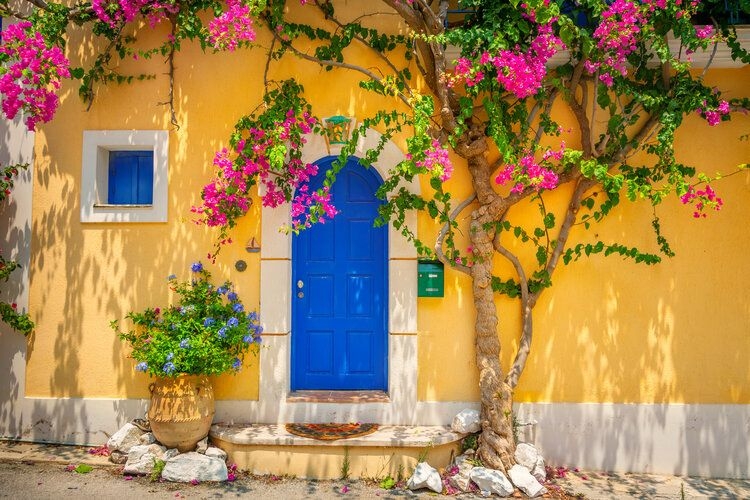
When is the best time to visit Greece for sightseeing and hiking?
For sightseeing and hiking, April to June and September to November are usually best. These months bring milder temperatures, fewer tourists, and better conditions for exploring Athens, the Peloponnese, Meteora, and island trails such as the Fira-to-Oia walk in Santorini.
When is the best time to visit Greece for nightlife and summer energy?
If you want Greece at its liveliest, go in July and August. This is the peak season for beach clubs, nightlife, festivals, and packed island resorts, especially in Mykonos and Santorini.
What is the cheapest time to visit Greece?
For better value Greek holiday rental rates, look at March, April, and November. These months are quieter, making them the best times for lower prices and less crowded attractions.
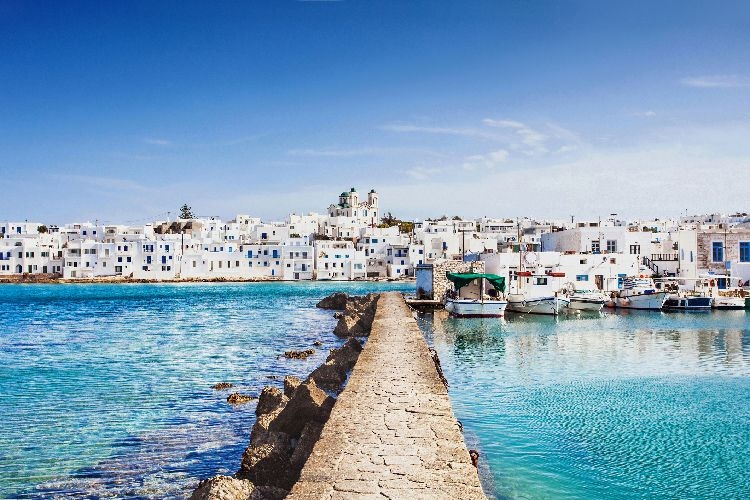
What are the best Greece events by season?
In winter, highlights include:
- The Epiphany Festival (January)
- Patras Carnival (February)
In spring, the major annual celebrations include:
- Greek Independence Day (March 25)
- Greek Easter (between between April 4 & May 8)
In summer, a major nationwide festival is Dormition of the Virgin (August 15). Whilst in fall, Thessaloniki’s International Film Festival (November) adds a cultural highlight to the low season.
The best time to visit Greece: a month-by-month guide
From spring wildflowers and Easter celebrations to summer island-hopping and warm September seas, the best time to visit Greece depends on what you want to do. Use this month-by-month guide to plan around the country’s top seasonal experiences, events, and attractions.
Greece in January
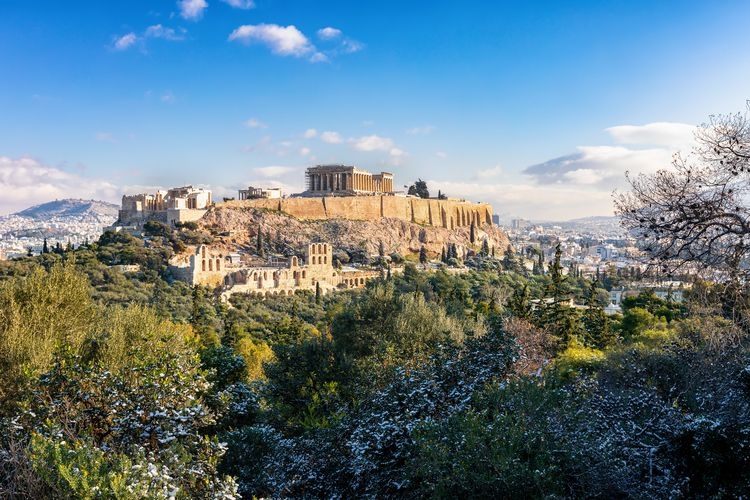
January is deep winter in Greece and works best for culture-focused trips, quieter sightseeing, and mountain breaks. Athens and Thessaloniki stay lively, while major sites such as the Acropolis feel far less crowded than in summer. Crete and Rhodes are the best island picks if you still want mild weather and some local life.
Weather in Greece in January
Cool on the mainland, mild on the larger islands, and cold with snow in the mountains. Average temperature: 5-13°C (41-55°F) on much of the mainland, with colder conditions in mountain areas.
Greece in February

February is still winter, but Carnival season adds energy and color. It is a strong month for museums, city breaks, and local festivals, especially on the mainland, while Crete and Rhodes remain the best islands for a quieter off-season getaway.
Weather in Greece in February
Cool but slightly milder than January, with winter conditions in the mountains and mild weather on the larger islands. Average temperature: 7-14°C (45-57°F) in many mainland areas.
Greece in March
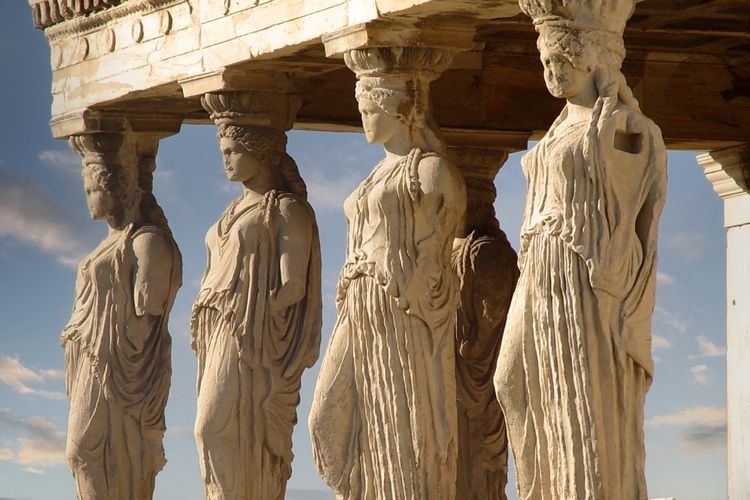
March marks Independence Day and the start of spring, with longer days, wildflowers, and better conditions for sightseeing. Athens, Delphi, and Meteora are especially appealing before the main tourist season begins, while Crete, Rhodes, and Santorini start to wake up for spring travel.
Weather in Greece in March
Cool to mild, with greener landscapes and more comfortable days for sightseeing and walking. Average temperature: 10-17°C (50-63°F) in many mainland destinations.
Greece in April

April is one of the most atmospheric months to visit Greece, thanks to Easter celebrations and mild spring weather. It is a great month for combining island scenery with mainland culture, and it works especially well for hiking, early-season island stays, and quieter sightseeing.
Weather in Greece in April
Mild, bright, and very comfortable for sightseeing, hiking, and exploring archaeological sites. Average temperature: 14-21°C (57-70°F) in many mainland areas.
Greece in May
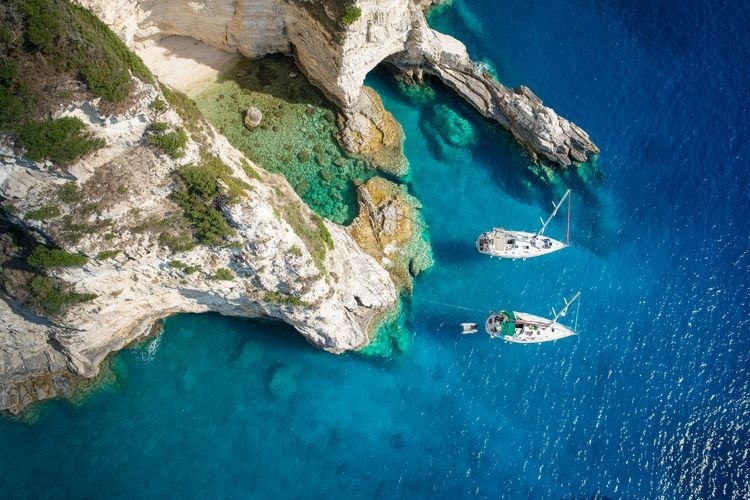
May is one of the best months to visit Greece. The weather feels early-summer warm, beach bars and cafés reopen, and islands such as Santorini, Mykonos, Crete, Paros, and Naxos are lively without the full crush of summer crowds. It is also one of the best months for boat trips, hiking, and coastal sightseeing.
Weather in Greece in May
Warm, sunny, and increasingly beach-friendly, with excellent conditions for sightseeing and island-hopping. Average temperature: 18-25°C (65-77°F) in many parts of Greece.
Greece in June
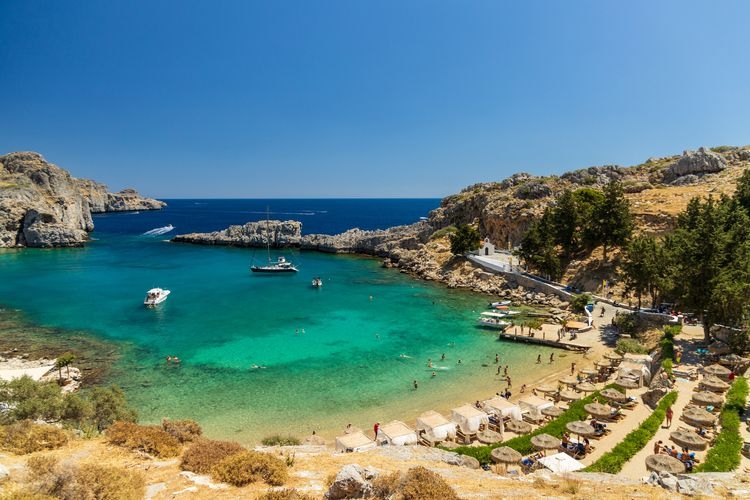
June brings long sunny days, lively resorts, and warm seas without peak-season intensity. It is one of the best times for honeymoons, sailing trips, beach vacations, and sunset dinners, especially on Santorini, Mykonos, Crete, Naxos, and Paros. Mainland beaches and cultural events also step up at this time of year.
Weather in Greece in June
Warm and bright, with long daylight hours and comfortable conditions for beaches and sightseeing. Average temperature: often reaching around 29°C (84°F) in Athens on warmer days.
Greece in July
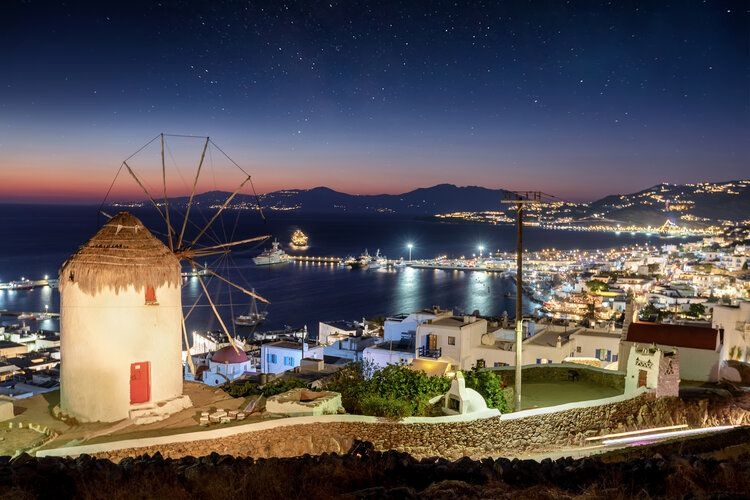
July is peak summer in Greece and one of the busiest times to visit. It is best for travelers who want classic island energy, beach clubs, nightlife, and full summer heat, especially in Mykonos and Santorini. Families also head to Crete, Rhodes, Paros, and Naxos for warm seas and long beach days.
Weather in Greece in July
Hot, sunny, and busy, with strong heat in Athens and very warm beach weather on the islands. Average temperature: 28-35°C (8-95°F) in many mainland hotspots.
Greece in August

August is Greece’s hottest and busiest month. It suits travelers who want guaranteed heat, full resort atmosphere, festivals, and long beach days, but it is also the most crowded time to visit, especially on headline islands and at major archaeological sites.
Weather in Greece in August
Very hot and dry, with intense sun and peak summer conditions across both mainland and islands. Average temperature: often rising beyond 35°C (95°F) in hotter mainland areas.
Greece in September

September is another of the best times to visit Greece. The sea is still warm, the islands remain lively, and the heaviest summer crowds begin to ease. It is an excellent month for romantic breaks, sailing, windsurfing, winery visits, and combining beaches with sightseeing.
Weather in Greece in September
Warm, settled, and ideal for both swimming and sightseeing. Average temperature: 23-29°C (73-84°F) in many mainland areas.
Greece in October
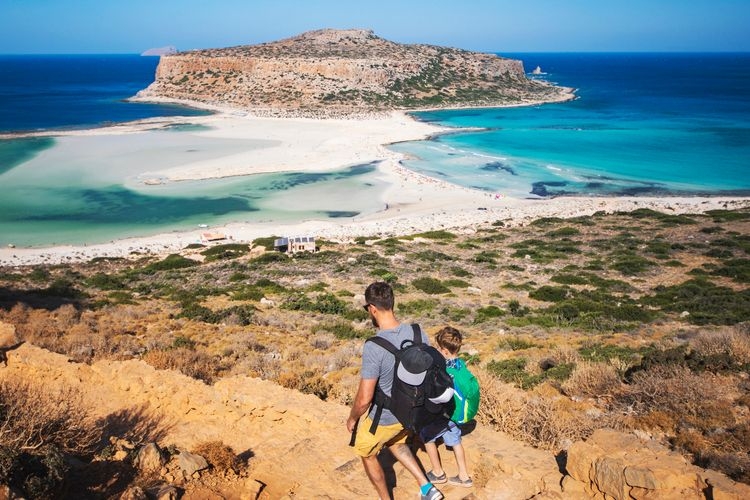
October is one of the best shoulder-season months for Greece, with comfortable weather, lighter crowds, and a calmer feel on both the mainland and larger islands. Crete and Rhodes still work well for warm-weather breaks, while Athens and northern Greece are especially good for culture, hiking, and autumn scenery.
Weather in Greece in October
Mild and comfortable, with warm seas early in the month and cooler evenings later on. Average temperature: 17-24°C (63-75°F) in many parts of Greece.
Greece in November
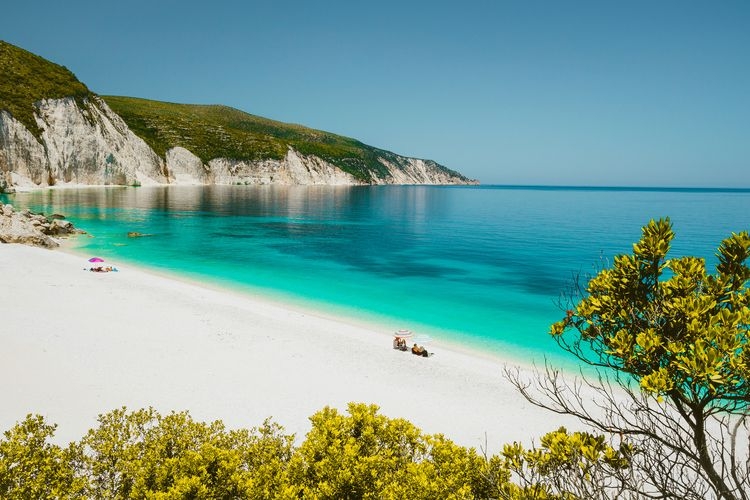
November leans into the low season, making it a good time for slower-paced cultural trips, museum visits, taverna meals, and quieter city breaks. Athens stays active, and Crete and Rhodes remain the strongest island options for mild-weather exploration. It is also one of the better months for off-season Greek villa rates.
Weather in Greece in November
Cooler and wetter than October, but still mild in Athens and on the larger southern islands. Average temperature: 12-19°C (54-66°F) in Athens.
Greece in December

December brings festive markets, winter city energy, and the return of ski season in Greece’s mountain regions. Athens and Thessaloniki are lively with Christmas events, while Crete and Rhodes remain the best islands for a quieter winter break.
Weather in Greece in December
Cool on the mainland, milder on the larger islands, and colder in the mountains with snow in ski areas. Average temperature: 7-14°C (45-57°F) in Athens and Thessaloniki.
Where to stay in Greece

- For iconic island scenery and romantic trips, Santorini is a standout.
- Mykonos is best for nightlife and summer energy, while Crete and Rhodes are stronger all-rounders for beaches, sightseeing, and longer stays.
- If you want a quieter Ionian base, Corfu, Kefalonia, and the Ionian Coast work well for slower-paced coastal vacations.
Our beautiful holidays rentals in Greece promise effortless escapism, whether you’re staying on the mainland or on the islands. Offering stylish kitchen diners, chic living rooms, alfresco dining terraces and optional pools, beachfront access and more, each luxury retreat provides couples, families and groups with the ideal holiday base for carefree relaxation and exploration.