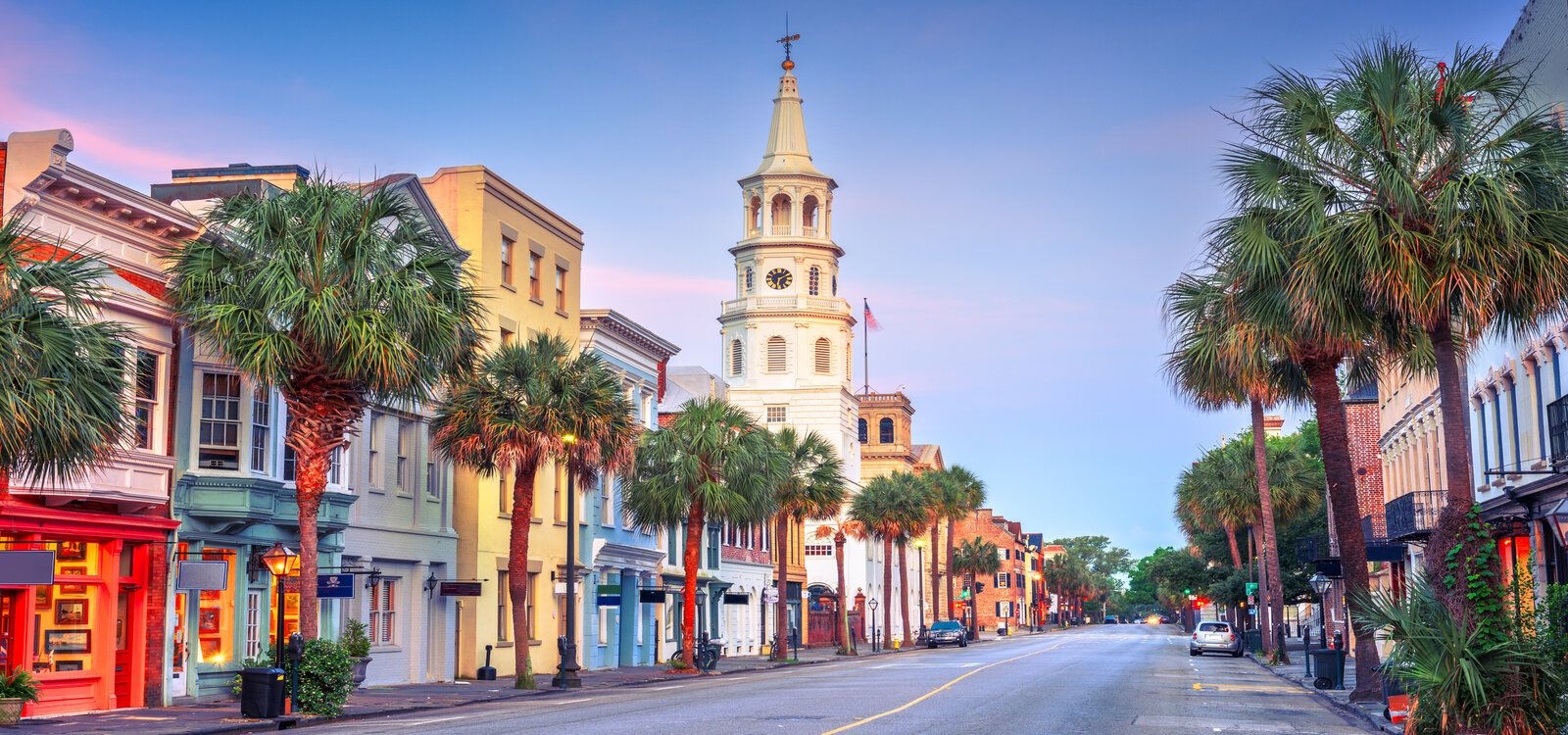
Things to Do in Charleston SC
Things to do in Charleston, SC: stroll Rainbow Row, tour historic homes, explore the City Market, cruise the harbour, and enjoy Lowcountry food.
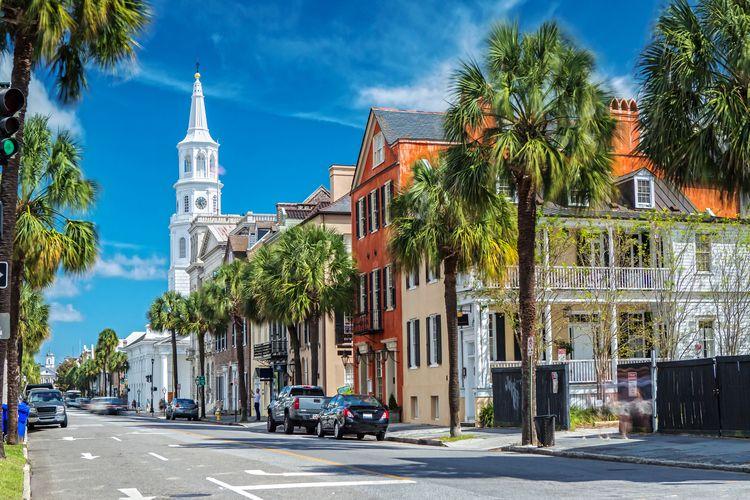
The best places to go, what to see and things to do in Charleston, SC
Charleston is one of South Carolina’s best destinations for history, food, architecture and coastal experiences, with cobbled streets, colorful historic homes and Charleston Harbor all packed into a relatively compact city. Much of the sightseeing is concentrated around the Historic District, where The Battery, Rainbow Row, Waterfront Park and Charleston City Market can easily be combined on foot.
Beyond downtown, the wider Charleston area opens up into beaches, salt marshes, historic estates and waterfront communities. You can take the ferry to Fort Sumter, kayak around Shem Creek, spend a day at Folly Beach or Sullivan’s Island, explore the gardens along the Ashley River or discover more of the Lowcountry’s Gullah Geechee heritage.
Spring and fall are particularly good times for walking, gardens and outdoor activities, although Charleston has plenty to do throughout the year. Our best time to visit Charleston guide covers the seasons in more detail.
Whether you are planning a family vacation, a couples’ break or a longer South Carolina trip, the recommendations below cover the best things to do in Charleston SC, from its signature sights to beaches, family attractions, outdoor adventures and more unusual experiences.
H2: Charleston's must-see attractions
1. Walk along The Battery and White Point Garden
Location / Neighborhood: South of Broad
Best for: First-time visitors, couples, architecture
Estimated time needed: 1–2 hours
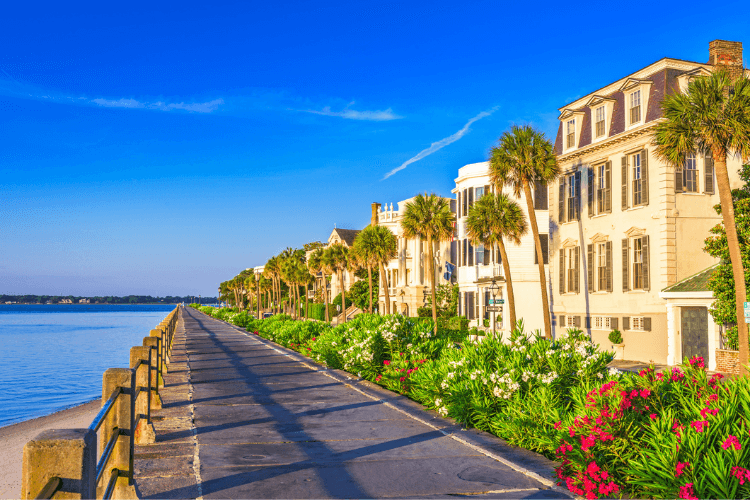
Cost / Entry: Free The Battery is one of Charleston’s signature sights and one of the best places to start exploring the Historic District. The waterfront promenade follows the southern edge of the peninsula, with Charleston Harbor on one side and some of the city’s grandest historic residences on the other.
Continue into White Point Garden, where mature live oaks provide shade around monuments and historic artillery. The surrounding streets are just as interesting, with stately houses, iron gates and quiet residential corners characteristic of South of Broad.
Visit earlier in the morning if you prefer quieter paths, or arrive later in the afternoon when temperatures begin to fall. From here, you can easily continue towards Rainbow Row and Waterfront Park, creating one of Charleston’s best self-guided sightseeing routes.
2. See Rainbow Row
Location / Neighborhood: East Bay Street
Best for: Photography, architecture, first-time visitors
Estimated time needed: 30–60 minutes
Cost / Entry: Free
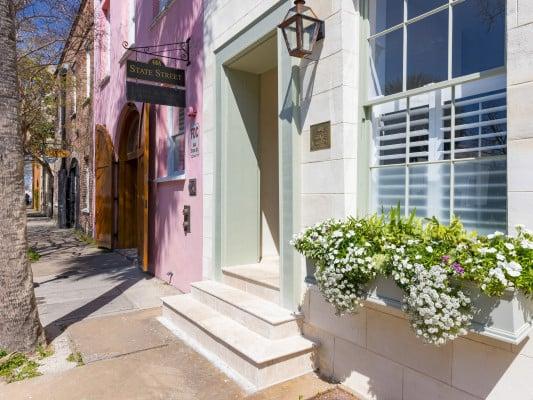
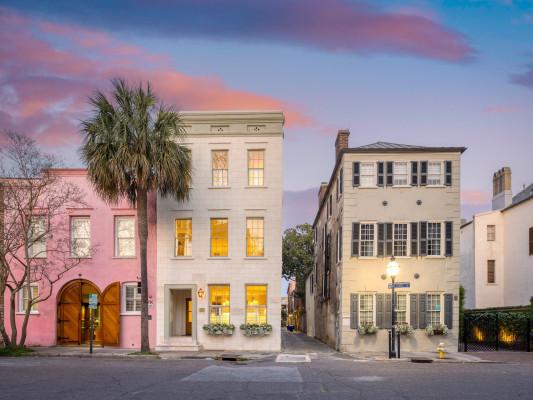
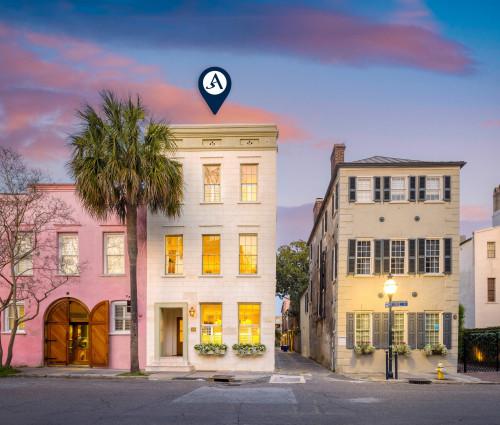
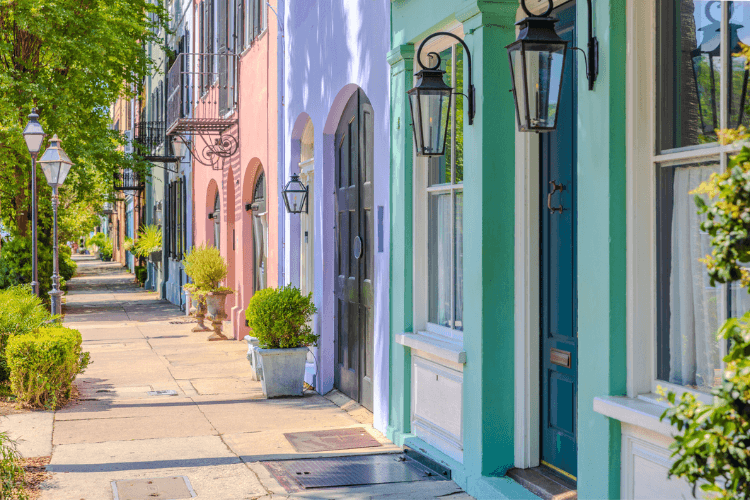
Rainbow Row is one of Charleston’s most photographed landmarks, made up of 13 pastel-colored historic houses lining East Bay Street. The pink, blue, yellow and green façades create one of the most recognizable streetscapes in the city and give visitors an immediate sense of Charleston’s distinctive architectural character.
The houses are private residences, so the attraction itself does not require a long visit. Instead, make it part of a wider walk through the Historic District. Early morning generally gives you a quieter view of the row and better opportunities for photographs without busy foot traffic.
From Rainbow Row, continue south towards The Battery or walk north towards Waterfront Park, the French Quarter and Charleston City Market.
3. Visit Fort Sumter National Historical Park
Location: Charleston Harbor
Best for: History, families, first-time visitors
Estimated time needed: 2–3 hours
Cost / Entry: Ferry ticket required
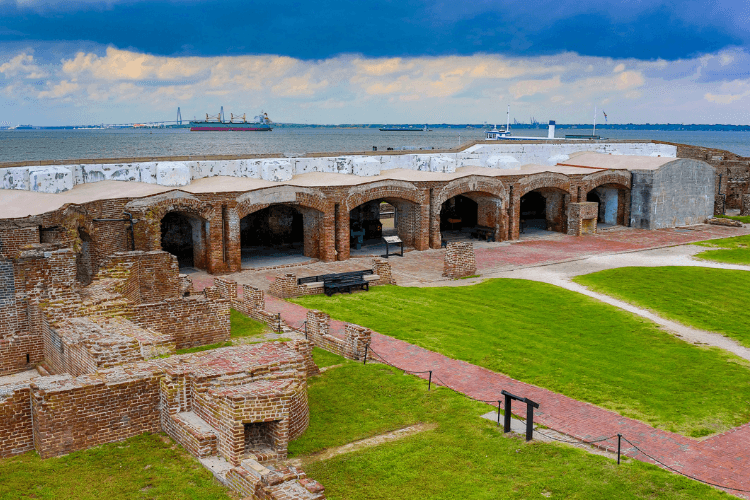
Fort Sumter is one of Charleston’s most historically significant attractions and an essential stop for visitors interested in the American Civil War. The sea fort occupies a small island in Charleston Harbor and is closely associated with the opening battle of the conflict in April 1861.
Reaching the fort requires a ferry, making the journey across Charleston Harbor part of the experience. During the crossing, you can enjoy views back towards the city skyline and across the surrounding waterways.
Once ashore, explore the fortifications, historic ruins and museum exhibits that explain the events leading up to the battle and the fort’s later military history. Allow several hours for the entire excursion, including the boat trip, rather than trying to squeeze it between other downtown sights.
4. Explore Charleston City Market
Location / Neighborhood: Historic District
Best for: Shopping, local culture, first-time visitors
Estimated time needed: 1–2 hours
Cost / Entry: Free to browse
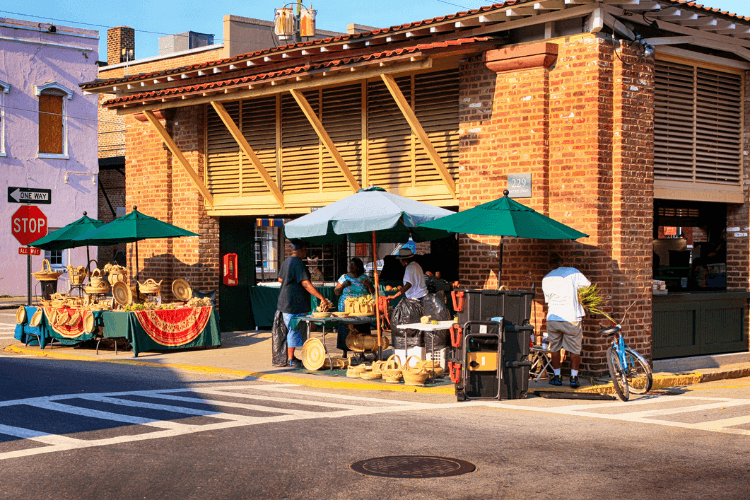
Charleston City Market stretches through several blocks of the Historic District and remains one of the city’s most recognizable shopping destinations. Inside its market halls and surrounding stalls, visitors can browse local artwork, jewelry, food products, souvenirs and handmade crafts.
One of the most important traditions represented here is sweetgrass basket weaving. The craft has deep roots in Gullah Geechee culture and has been passed down through generations of Lowcountry artisans.
Give yourself time to browse rather than rushing straight through, particularly if you want to speak with makers or find locally produced gifts. The market sits within easy walking distance of the French Quarter, King Street and Waterfront Park, making it simple to include in a full day of downtown sightseeing.
5. Explore Charleston Waterfront Park
Location / Neighborhood: French Quarter
Best for: Families, couples, relaxing walks
Estimated time needed: 1–2 hours
Cost / Entry: Free
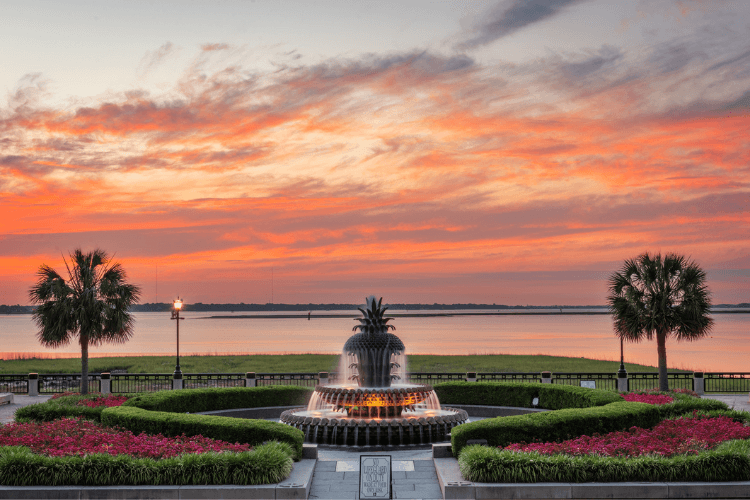
Charleston Waterfront Park offers a peaceful break from the Historic District’s busier streets while keeping you right beside many of the city’s major attractions. The landscaped park follows the Cooper River, with walking paths, lawns and views across Charleston Harbor.
Its best-known feature is the Pineapple Fountain, one of Charleston’s most photographed landmarks. Families can enjoy the open spaces and fountains, while couples may prefer to walk out along the pier and sit on the swings overlooking the water.
The park works particularly well as a late-afternoon stop, when temperatures begin to cool. Combine it with Rainbow Row and The Battery for a scenic walking route through the southeastern side of downtown Charleston.
Historic and cultural things to do in Charleston
6. Tour the Nathaniel Russell House
Location / Neighborhood: South of Broad
Best for: Architecture, history
Estimated time needed: 1–1.5 hours
Cost / Entry: Admission required
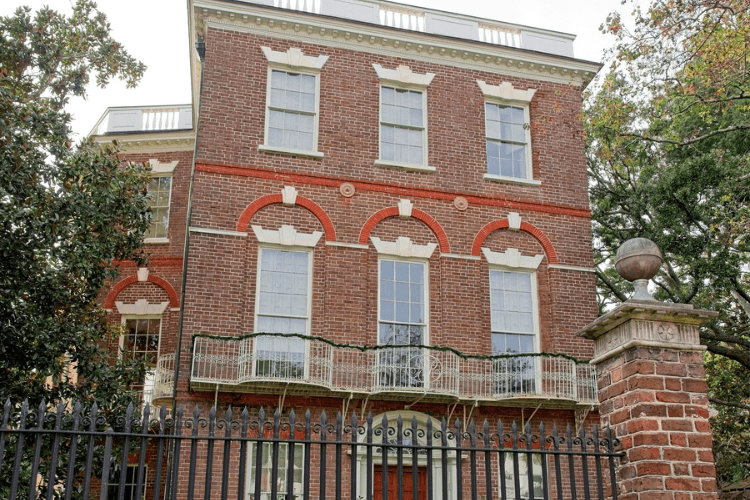
The Nathaniel Russell House gives visitors a chance to step inside one of Charleston’s most elegant historic residences. Built in the early 19th century, the property is particularly famous for its elaborate neoclassical interiors and impressive three-story free-flying staircase.
A visit goes beyond decorative architecture, with interpretation exploring the lives of the people connected with the house, including the enslaved men and women who lived and worked there.
Its South of Broad location means it fits naturally into a day spent around The Battery and surrounding historic streets. Take your time inside before walking through the nearby residential blocks, where some of Charleston’s most impressive architecture continues well beyond the better-known landmarks.
7. Visit the Aiken-Rhett House Museum
Location / Neighborhood: Wraggborough
Best for: History, architecture
Estimated time needed: 1–2 hours
Cost / Entry: Admission required
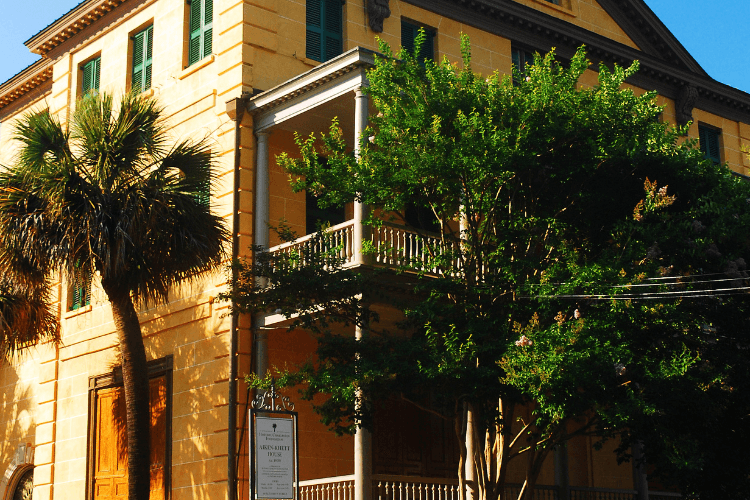
The Aiken-Rhett House offers a very different experience from Charleston’s more extensively restored historic properties. Instead of recreating rooms to look newly finished, much of the house has been preserved in its existing condition, revealing layers of alteration, decay and everyday use.
This approach makes the property particularly atmospheric and gives visitors a clearer sense of how the building evolved over time. The surviving outbuildings are equally important, including areas associated with the enslaved people who lived and worked on the site.
Allow enough time to explore both the main house and surrounding structures. It is particularly worthwhile for visitors who want a deeper understanding of Charleston beyond the polished façades of the Historic District.
8. Visit the International African American Museum
Location / Neighborhood: Cooper River waterfront
Best for: History, culture, adults and older children
Estimated time needed: 2–3 hours
Cost / Entry: Admission required
The International African American Museum stands on Gadsden’s Wharf, a location with deep historical connections to the arrival of enslaved Africans in North America. Its exhibitions examine African American history, the wider African diaspora and Charleston’s role in the transatlantic slave trade.
Displays explore themes including culture, resistance, family, migration and the development of Black communities across the United States. Outside, the African Ancestors Memorial Garden provides another space for reflection and interpretation.
This is not an attraction to rush through. Give yourself at least a couple of hours, especially if you want to engage properly with the exhibitions. It can also be combined with a walk along Charleston’s waterfront afterwards.
9. Explore the Gibbes Museum of Art
Location / Neighborhood: Historic District
Best for: Art, culture, rainy days
Estimated time needed: 1–2 hours
Cost / Entry: Admission required
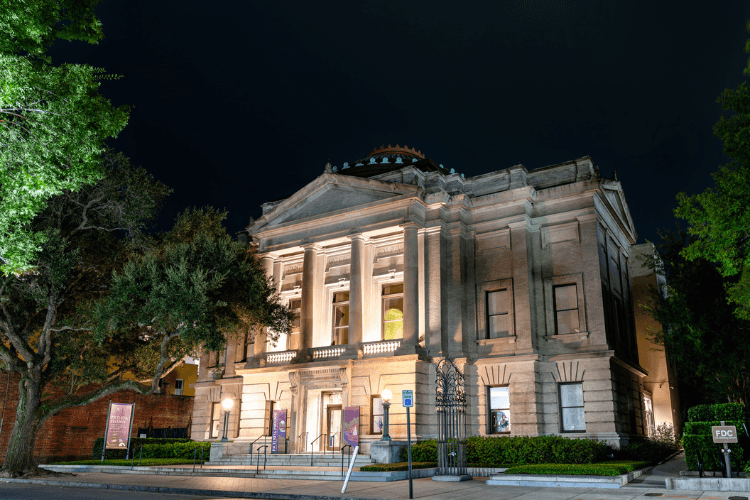
The Gibbes Museum of Art is one of Charleston’s leading cultural attractions, with collections focusing heavily on American art and the artistic history of Charleston and the South.
The galleries provide a useful contrast to the city’s outdoor attractions, showcasing portraits, landscapes, sculpture and other works connected to the region’s history and identity. Temporary exhibitions add further variety throughout the year.
Its central Historic District location makes the museum easy to include between other attractions, particularly around the hottest part of the day. It is also a strong option when poor weather makes gardens, beaches or walking tours less appealing.
- Discover Charleston's Gullah Geechee herita
10. Discover Charleston's Gullah Geechee heritage
Location: Charleston and surrounding Lowcountry
Best for: Culture, history
Estimated time needed: Half day
Cost / Entry: Varies by experience
Gullah Geechee culture forms an important part of Charleston and the wider Lowcountry, with traditions shaped by descendants of enslaved Africans who lived across the coastal regions of South Carolina and neighboring states.
Visitors can learn more through guided heritage tours, historic sites, museums, food traditions and the work of local sweetgrass basket makers. These experiences can provide valuable context for understanding Charleston’s language, cuisine, crafts and broader cultural identity.
For a more complete picture, combine a downtown heritage tour with places such as McLeod Plantation Historic Site or the International African American Museum. This creates a much deeper experience than simply viewing Charleston’s historic buildings from the outside.

11. Visit McLeod Plantation Historic Site
Location: James Island
Best for: Gullah Geechee history, culture
Estimated time needed: 2–3 hours
Cost / Entry: Admission required
McLeod Plantation Historic Site focuses strongly on the experiences of enslaved people and later generations of African Americans who lived and worked on the property. Its preserved buildings and grounds help explain plantation life from perspectives that are sometimes less visible at other historic estates.
Visitors can explore the site while learning about slavery, emancipation, agriculture and the development of Gullah Geechee communities in the Lowcountry.
The attraction is particularly worthwhile for anyone wanting to understand Charleston’s history beyond its architecture and wealthy merchant families. Allow several hours so you have time for interpretation, guided content and a proper walk around the grounds.
Gardens and historic estates near Charleston
12. Explore Magnolia Plantation and Gardens
Location: Ashley River Road
Best for: Gardens, wildlife, history, couples
Estimated time needed: Half day
Cost / Entry: Admission required
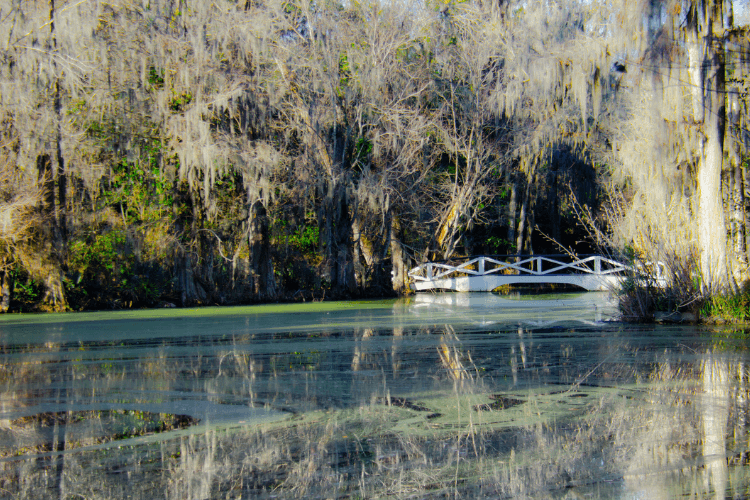
Magnolia Plantation and Gardens combines landscaped gardens, wildlife areas, walking trails and historic interpretation beside the Ashley River. Its romantic-style gardens are very different from more formal estates, with winding paths, ponds, bridges and mature trees creating a more natural setting.
Seasonal flowers are a major attraction, particularly azaleas and camellias, but the wider landscape remains appealing throughout much of the year. Visitors can also explore areas such as the Audubon Swamp Garden, where boardwalks pass through wetland habitats rich in birdlife and other wildlife.
Arrive earlier in the day during warmer months when temperatures are more comfortable. Give yourself at least half a day if you want to explore more than the main garden paths.
13. Visit Middleton Place
Location: Ashley River Road
Best for: Gardens, history, couples, photography
Estimated time needed: Half day
Cost / Entry: Admission required
Middleton Place is a National Historic Landmark set beside the Ashley River and best known for its extensive formal gardens. Geometric terraces, reflecting pools, old live oaks and river views create one of the most striking landscaped settings around Charleston.
The site also includes historic buildings, stableyards and exhibits exploring the lives of the Middleton family and generations of enslaved people who lived and worked there.
Allow several hours to walk around properly rather than treating the gardens as a quick photo stop. Comfortable footwear is useful because of the size of the grounds. If you are interested in both landscape design and Lowcountry history, Middleton Place can easily take up most of a morning or afternoon.
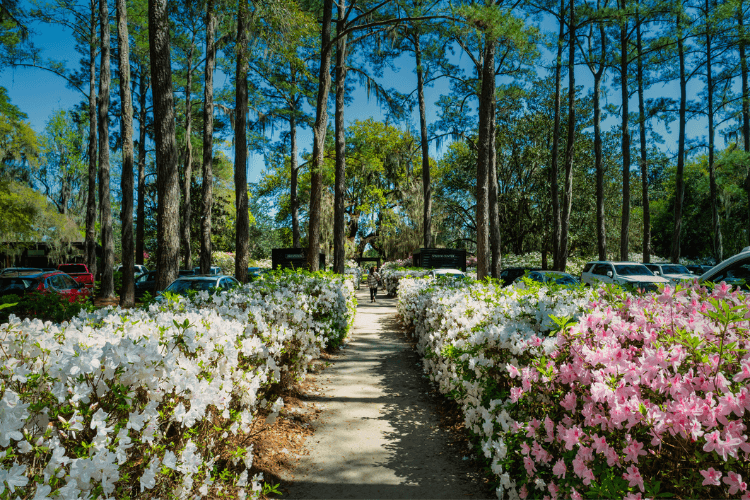
14. Walk beneath the oaks at Boone Hall Plantation & Gardens
Location: Mount Pleasant
Best for: History, gardens, photography
Estimated time needed: 2–4 hours
Cost / Entry: Admission required
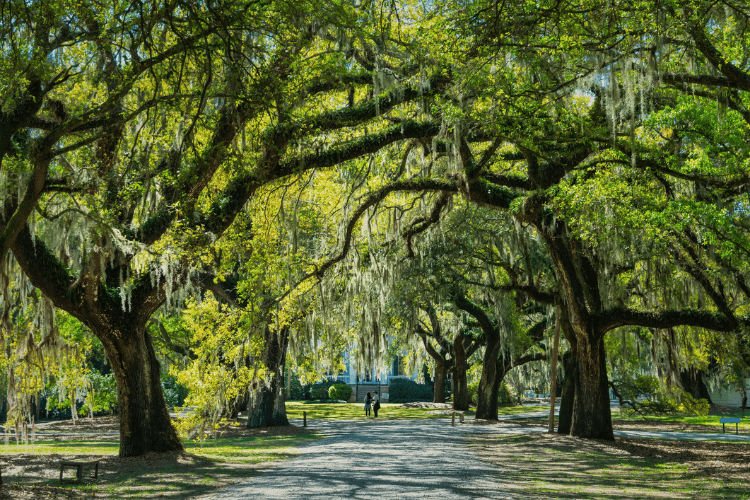
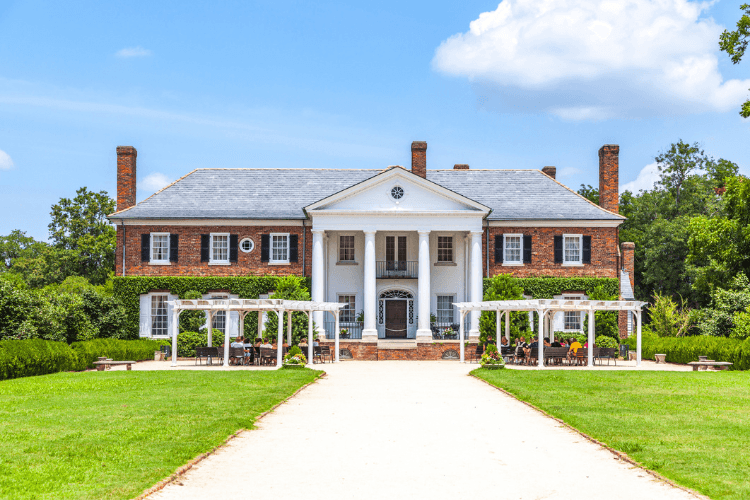
Boone Hall is immediately recognizable for its long Avenue of Oaks, where mature live oaks form a dramatic canopy leading towards the main house. The estate combines landscaped grounds, agricultural areas, exhibitions and historic structures.
One of the most significant areas is the surviving row of brick dwellings once occupied by enslaved people. Exhibits here provide important context about Black history and life on the property.
The site covers a large area, so allow several hours if you want to explore both the grounds and historical interpretation. Its Mount Pleasant setting also makes it easy to continue to Shem Creek, Pitt Street Bridge or nearby coastal attractions afterwards.
Best outdoor things to do in Charleston
15. Kayak through Shem Creek
Location: Mount Pleasant
Best for: Wildlife, couples, adventure
Estimated time needed: 2–3 hours
Cost / Entry: Equipment rental or guided tour
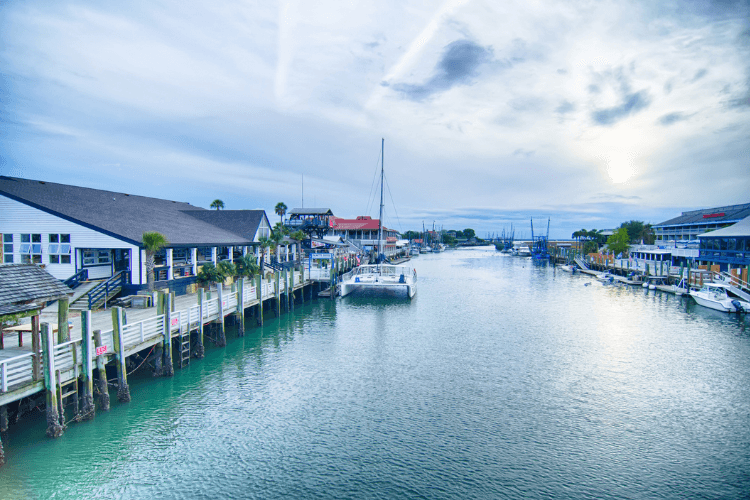
Shem Creek is one of the easiest places near Charleston to experience the Lowcountry from the water. Kayaks take you past working shrimp boats, waterfront restaurants and tidal marshes before opening into wider waterways around Mount Pleasant.
The area is particularly good for wildlife watching, with coastal birds commonly seen along the marsh edges and dolphins sometimes appearing in the creek and surrounding harbor waters.
Beginners may prefer to join a guided trip, while more experienced paddlers can look into independent rentals. Morning outings often bring calmer conditions and cooler temperatures. Once you are back on land, stay around Shem Creek for a boardwalk stroll or waterfront lunch.
16. Walk or cycle the Arthur Ravenel Jr. Bridge
Location: Charleston to Mount Pleasant
Best for: Walking, cycling, views, exercise
Estimated time needed: 1–3 hours
Cost / Entry: Free
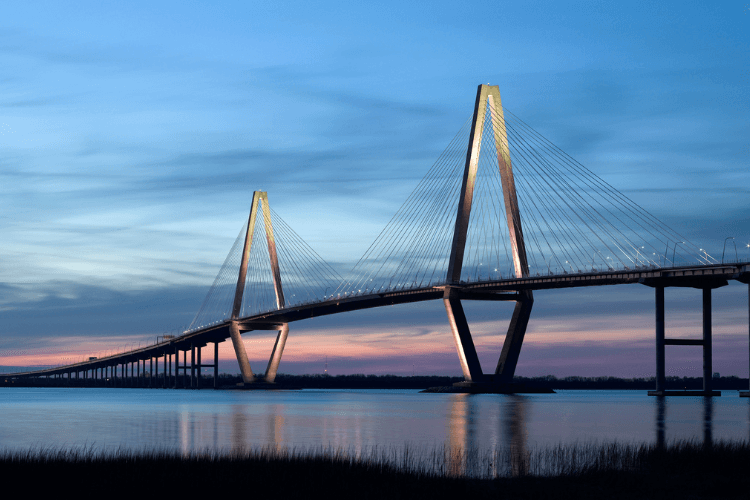
The Arthur Ravenel Jr. Bridge stretches across the Cooper River between Charleston and Mount Pleasant and has become one of the city’s most recognizable modern landmarks.
Its dedicated pedestrian and cycling path, Wonders’ Way, gives visitors elevated views across the river, harbor and Charleston skyline. You can walk a shorter section and turn back once you reach a good viewpoint, or complete a longer crossing if you want more exercise.
Starting from Mount Pleasant Memorial Waterfront Park can make parking easier while also giving you access to waterfront areas beneath the bridge. Go early in the morning or later in the day to avoid the strongest midday heat.
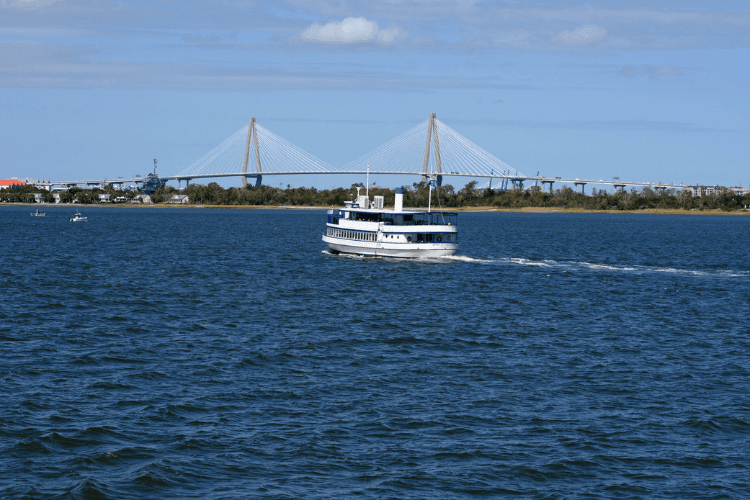
17. Take a Charleston Harbor cruise
Location: Charleston Harbor
Best for: Families, couples, sightseeing
Estimated time needed: 1.5–2 hours
Cost / Entry: Tour ticket required
A Charleston Harbor cruise offers a completely different perspective on the city, taking you away from the narrow historic streets and out onto the surrounding waterways.
Sightseeing routes typically provide views of Fort Sumter, the Charleston peninsula, the Arthur Ravenel Jr. Bridge and other waterfront landmarks. Commentary on many tours also covers the city’s maritime, military and architectural history.
Daytime sailings work well for first-time visitors who want a broad overview, while sunset cruises create a more relaxed atmosphere for couples or groups. Bring an extra layer if you are travelling outside summer, as conditions on the water can feel cooler than they do downtown.
18. Go paddleboarding in the Lowcountry
Location: Charleston-area waterways
Best for: Outdoor adventure, couples, groups
Estimated time needed: 1–3 hours
Cost / Entry: Equipment rental or tour
Charleston’s creeks, marshes and sheltered coastal waterways provide plenty of opportunities for stand-up paddleboarding. Shem Creek is one of the most accessible locations, with equipment rental and guided options available close to the waterfront.
Paddling gives you a quieter way to explore the landscape, moving through tidal creeks surrounded by marsh grasses and coastal wildlife. It can also be easier for beginners than tackling more exposed ocean conditions.
Check tides and weather conditions before heading out, and choose a guided session if you are unfamiliar with the area. Morning trips often provide calmer water and more comfortable temperatures during warmer months.

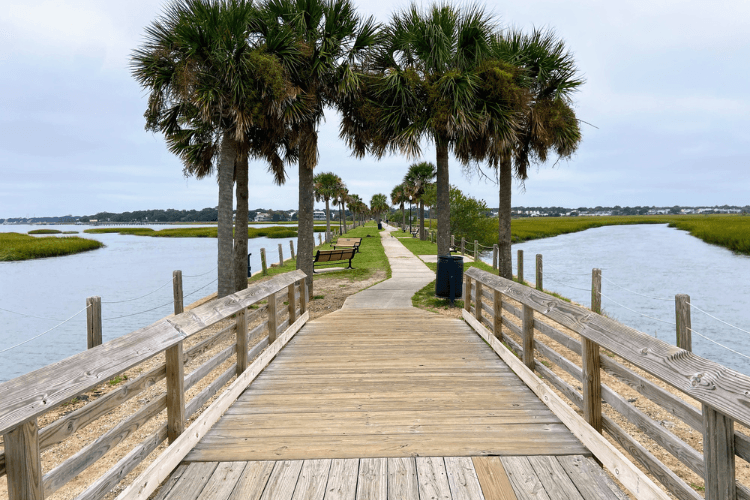
19. Walk the Pitt Street Bridge
Location: Old Village, Mount Pleasant
**Best for: **Walking, sunsets, fishing, couples
Estimated time needed: 1–2 hours
Cost / Entry: Free
Pitt Street Bridge is a former transport route that has been transformed into a peaceful recreational walkway through the marshes of Mount Pleasant.
The path gives walkers, cyclists and anglers open views across the surrounding waterways towards Sullivan’s Island and Charleston Harbor. It feels noticeably quieter than downtown Charleston and provides a good option when you want an easy outdoor activity without committing to a lengthy hike.
Late afternoon is particularly attractive as the light changes across the marsh. Explore some of the surrounding Old Village streets while you are there, or combine the walk with a meal at nearby Shem Creek.
Best beaches near Charleston
20. Spend the day at Folly Beach
Location: Folly Island
Best for: Families, surfing, swimming, beach days
Estimated time needed: Half day to full day
Cost / Entry: Beach access is generally free; parking may be charged
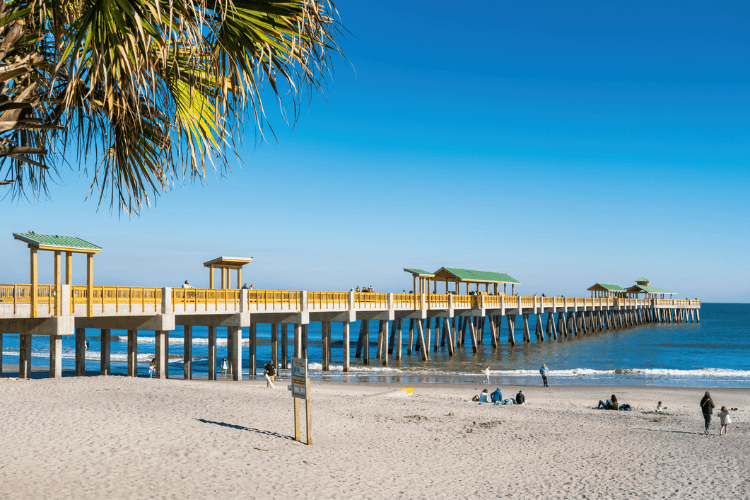
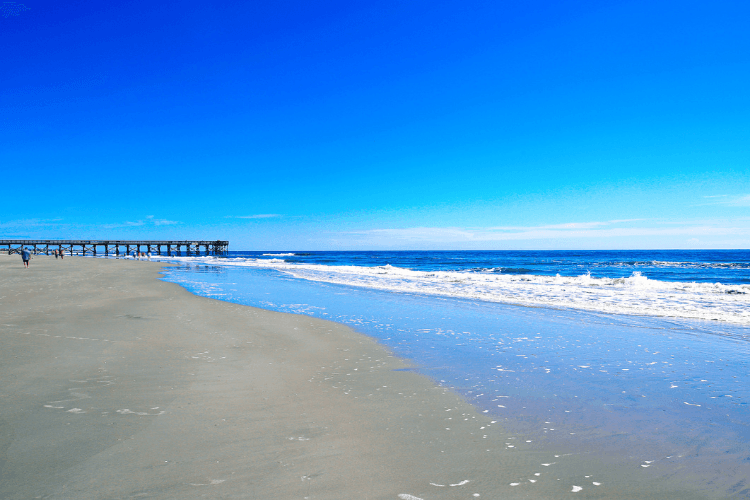
Folly Beach is one of the liveliest beaches close to Charleston and one of the easiest places to swap historic sightseeing for a full day beside the Atlantic. Its broad shoreline is popular for swimming, sunbathing, surfing and long walks along the sand.
Center Street gives the beach town its social side, with casual restaurants, bars and shops within easy reach of the ocean. Visitors can also walk around Folly Beach Pier or look for quieter stretches of shoreline farther from the central access points.
Arrive earlier on busy weekends if you are driving, as parking can become more difficult later in the day. Our Folly Beach vacation rentals are also ideal if you want the coast to be the main base for your Charleston trip.
21. Relax on Sullivan's Island
Location: Sullivan’s Island
Best for: Couples, families, quieter beach days, history
Estimated time needed: Half day to full day
Cost / Entry: Free; parking restrictions apply
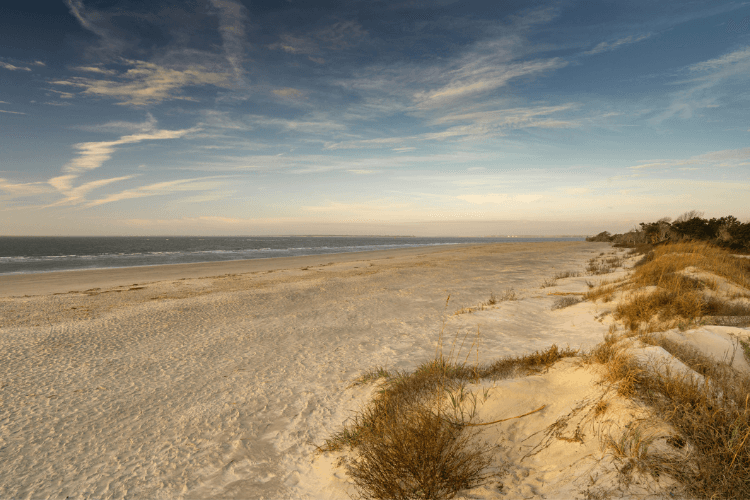
Sullivan’s Island offers a more relaxed alternative to the busier atmosphere of Folly Beach. The wide shoreline is backed mainly by residential streets, giving much of the island a quieter, less commercial feel.
Spend the day swimming, walking or relaxing on the sand before exploring some of the island’s historic attractions. Fort Moultrie adds another dimension to a beach trip, while local restaurants make it easy to stay for lunch or dinner.
Parking is more tightly regulated than at some coastal destinations, so pay close attention to signs and designated areas. Arriving earlier in the day is useful during summer weekends and popular holiday periods.
22. Visit Isle of Palms
Location: Isle of Palms
Best for: Families, swimming, watersports
Estimated time needed: Half day to full day
Cost / Entry: Free; parking may be charged
Isle of Palms is another popular beach destination within easy reach of Charleston, offering a long sandy shoreline backed by vacation homes, restaurants and coastal amenities.
Families can spend most of the day swimming and relaxing, while visitors looking for more activity can explore options including paddleboarding, boating and fishing. The marina provides another starting point for trips onto the surrounding waterways.
The island works particularly well for travelers who want Charleston sightseeing alongside several proper beach days. Staying in one of our Isle of Palms vacation rentals also gives you a quieter coastal base while keeping downtown Charleston within reach by car.
Things to do in Charleston with kids
23. Explore the South Carolina Aquarium
Location: Downtown waterfront
Best for: Families, younger children, wildlife
Estimated time needed: 2–3 hours
Cost / Entry: Admission required
The South Carolina Aquarium introduces families to animals and ecosystems found across the state, from mountain streams and coastal wetlands to the Atlantic Ocean.
One of the largest attractions is the Great Ocean Tank, where visitors can see a range of marine species in a large underwater environment. The Sea Turtle Care Center is another highlight, providing insight into the rehabilitation of injured and sick sea turtles before their return to the wild.
Interactive displays make the aquarium particularly engaging for younger visitors. Its waterfront location also allows families to combine it with Waterfront Park or other downtown attractions without needing to plan an entirely separate day.
24. Visit the Children's Museum of the Lowcountry
Location / Neighborhood: Downtown Charleston
Best for: Younger children, families, rainy days
Estimated time needed: 1–2 hours
Cost / Entry: Admission required
The Children’s Museum of the Lowcountry gives younger visitors a chance to play, build, experiment and explore through hands-on exhibits designed specifically with children in mind.
It can provide a welcome change of pace after several hours of historic homes, museums or walking tours, particularly for families traveling with toddlers and primary-school-aged children. Interactive play areas encourage creativity while still introducing educational themes.
Because it sits in downtown Charleston, the museum is easy to combine with other central attractions. It is especially useful on rainy days or during hot summer afternoons when younger children may appreciate spending some time indoors.
25. Explore Patriots Point Naval & Maritime Museum
Location: Mount Pleasant
Best for: Families, military history, older children
Estimated time needed: 2–4 hours
Cost / Entry: Admission required
Patriots Point Naval & Maritime Museum is centered around the USS Yorktown, a World War II-era aircraft carrier now preserved as a major museum attraction.
Visitors can explore sections of the ship, see historic aircraft and learn more about naval and military history through exhibits spread across the site. The scale of the carrier itself tends to make a strong impression, particularly on older children and teenagers.
Wear comfortable footwear, as exploring the ship involves plenty of walking and stairs. Allow several hours if you want to see more than the main deck. Afterwards, continue into Mount Pleasant for Shem Creek or Memorial Waterfront Park.

26. Take a horse-drawn carriage tour
Location / Neighborhood: Historic District
Best for: Families, couples, first-time visitors
Estimated time needed: Around 1 hour
Cost / Entry: Tour ticket required
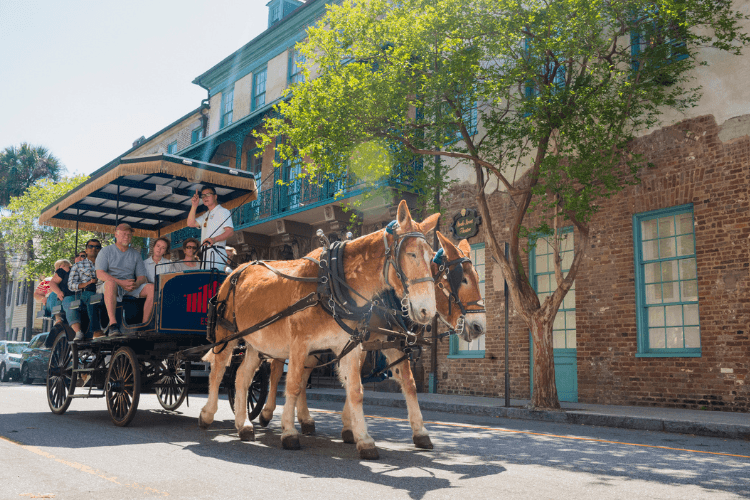
A horse-drawn carriage tour offers a relaxed introduction to Charleston’s Historic District and is especially useful for families who want to cover more ground without spending several hours walking.
Guides explain the stories behind historic homes, churches, streets and former residents while the carriage moves through parts of central Charleston. Routes vary, meaning different tours may cover different sections of the city.
Consider doing a carriage tour near the beginning of your stay. It can help you understand Charleston’s layout and identify neighborhoods or attractions you want to return to later on foot.
Unique and fun things to do in Charleston
27. Take a Charleston ghost tour
Location / Neighborhood: Historic District
Best for: Couples, groups, older families, evening activities
Estimated time needed: 1–2 hours
Cost / Entry: Tour ticket required
Charleston’s historic streets, churchyards and centuries-old buildings provide an atmospheric backdrop for an evening ghost tour.
Tours vary considerably in style. Some focus heavily on legends and supernatural stories, while others combine documented crimes, historic tragedies and local folklore with visits to cemeteries, alleyways and supposedly haunted buildings.
Walking through the Historic District after dark also reveals a quieter side of the city once daytime sightseeing begins to wind down. If you are traveling with children, check the tone and age recommendations before booking, as some tours are designed to be light-hearted while others explore considerably darker subject matter.
28. Follow the Charleston Gateway Walk
Location / Neighborhood: Historic District
Best for: Walking, architecture, hidden corners
Estimated time needed: 1–2 hours
Cost / Entry: Free
The Charleston Gateway Walk offers a quieter way to explore the Historic District, linking churchyards, gardens, historic gates and shaded passages away from some of the city’s busier sightseeing streets.
Rather than focusing on one major landmark, the route rewards slower exploration. Expect old gravestones, wrought-iron gates, mature trees and glimpses of historic buildings tucked behind garden walls.
It works particularly well in the morning before temperatures rise or as a break from more crowded attractions around City Market and King Street. Comfortable walking shoes are useful, and you can easily extend the route into surrounding streets once you finish.
29. Take a Charleston food tour
Location / Neighborhood: Historic District
Best for: Foodies, couples, groups
Estimated time needed: 2–3 hours
Cost / Entry: Tour ticket required
Charleston’s food scene is one of the biggest attractions in its own right, drawing on Lowcountry ingredients, seafood, Southern cooking traditions and Gullah Geechee influences.
A guided food tour allows you to try several dishes while also learning how ingredients such as rice, shellfish and local produce became part of Charleston’s culinary identity. Different tours may focus on traditional Lowcountry cooking, contemporary restaurants, desserts or particular historic neighborhoods.
Booking one near the start of your stay can be particularly useful because guides often provide additional restaurant recommendations. Arrive hungry, as multiple tastings can easily replace a full lunch.
30. Spend an evening at Shem Creek
Location: Mount Pleasant
Best for: Couples, groups, dining, sunsets
Estimated time needed: 2–4 hours
Cost / Entry: Free to explore
Shem Creek becomes particularly atmospheric towards the end of the day, when kayaks and working boats move along the water and the marsh begins to catch the evening light.
Start with a walk along the boardwalks, where you can look across the tidal creek and surrounding wetlands. Keep an eye on the water too, as dolphins are sometimes seen in the wider Charleston coastal area.
Afterwards, choose one of the waterfront restaurants for dinner or drinks overlooking the creek. Arriving before sunset gives you enough time to walk first and secure a table before the busiest evening period, particularly on weekends.
Seasonal events in Charleston
Charleston’s annual events calendar covers food, performing arts, architecture and cultural celebrations. Event dates change each year, so check the individual event page before planning your stay.
Charleston Wine + Food
Held each spring, Charleston Wine + Food celebrates the Lowcountry’s food and hospitality scene through tastings, dinners, demonstrations and special culinary experiences.
The festival brings chefs, producers and visitors together at venues across Charleston, making it particularly well suited to a food-focused city break.
The Charleston Festival
The Charleston Festival focuses on the city’s architecture, gardens, houses and cultural history.
Spring programming typically includes house and garden tours, lectures, workshops, concerts and other special events, offering opportunities to access places that may not normally be open to visitors.
Spoleto Festival USA
Spoleto Festival USA transforms venues across Charleston with a major program of performing arts.
Expect opera, theatre, dance, chamber and symphonic music, choral performances and jazz across theaters, churches and outdoor spaces around the city. It is one of Charleston’s biggest annual cultural events and usually takes place across late spring and early summer.
MOJA Arts Festival
MOJA Arts Festival is an annual celebration of Black arts and culture, with particular emphasis on African American and Caribbean artistic traditions.
Its program spans music, dance, visual arts, theatre, poetry, storytelling, food, traditional crafts and family activities at locations around Charleston.