Things to do in Aruba
Discover 35+ of the best things to do in Aruba, from Eagle Beach and Arikok National Park to snorkeling, caves, family attractions and island adventures.

Discover the best of Aruba
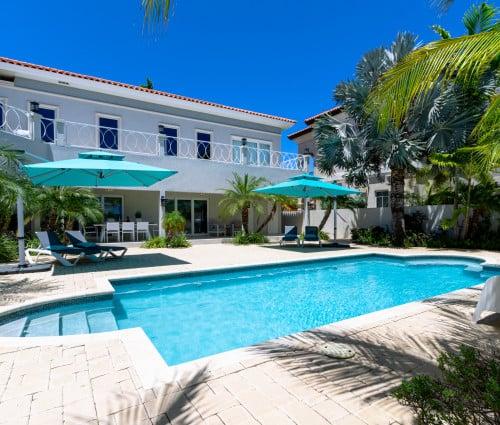
Aruba may be best known for its white-sand beaches and bright Caribbean water, but there is much more to explore once you leave your sun lounger. Across the island you can hike through cactus-filled landscapes in Arikok National Park, discover caves and natural pools, snorkel near Boca Catalina, wander through colorful Oranjestad and spend laid-back days around Eagle Beach and Palm Beach.
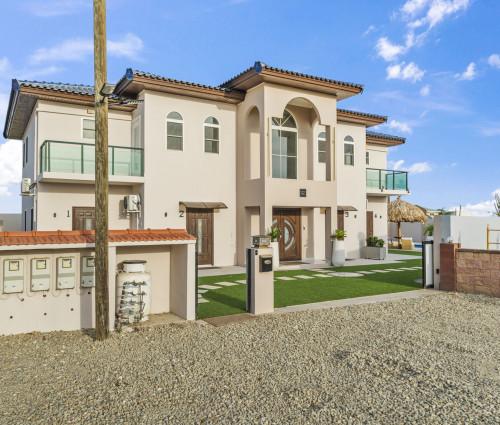
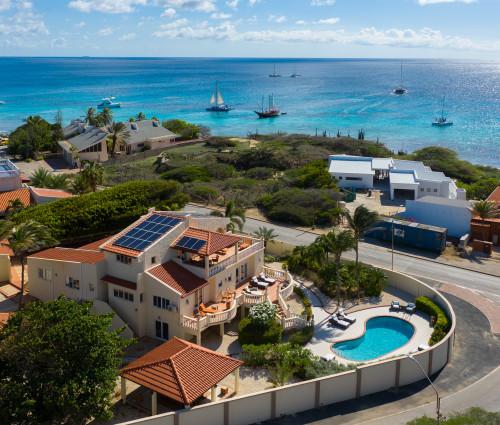
Whether you are planning a family vacation, couples' escape or an adventure-packed Caribbean trip, our Aruba villas give you a comfortable base for exploring the island at your own pace. From the beaches of the west coast to San Nicolas in the south, these are 35+ of the best things to do in Aruba.
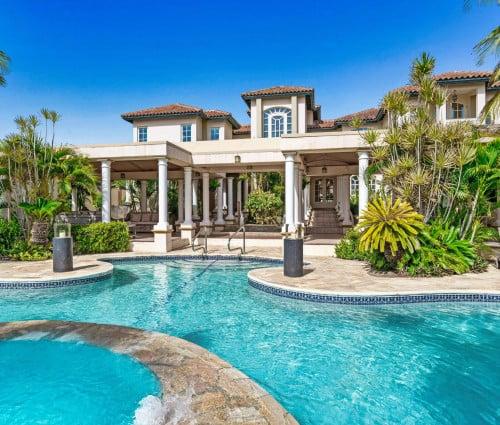
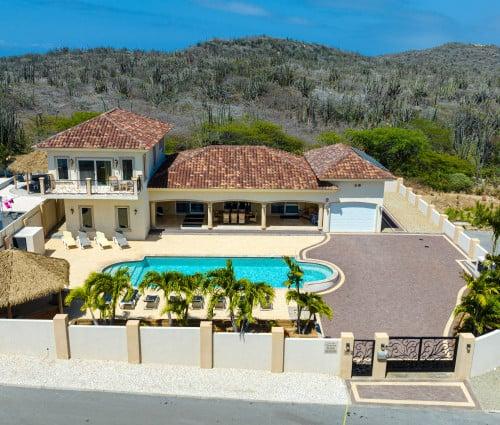
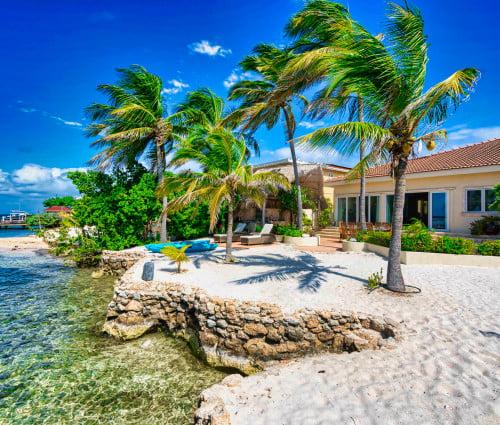
Beaches and Snorkeling in Aruba
1. Spend the day on Eagle Beach
Location / Neighborhood: Eagle Beach
Best for: Couples, families, swimming, beach days
Estimated Time Needed: Half to full day
Cost / Entry: Free beach access
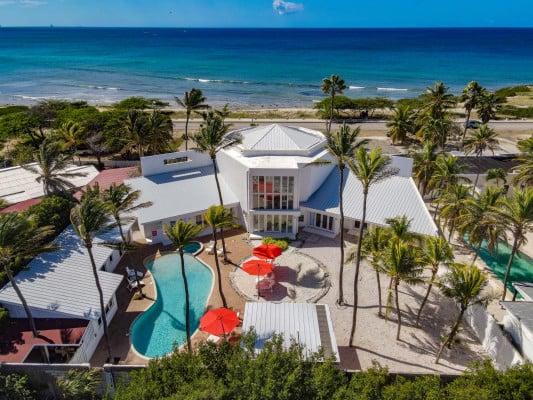
Eagle Beach is one of Aruba's most recognizable stretches of coastline, with a broad sweep of pale sand, turquoise water and the island's distinctive windswept fofoti trees. Its spacious shoreline makes it particularly easy to find somewhere to settle down for a relaxed beach day.
Swim in the Caribbean, stroll along the sand or simply spend a few hours enjoying the sunshine. Eagle Beach is also close to Aruba's main resort areas, making it easy to combine with restaurants, watersports and an evening around Palm Beach.

2. Swim and relax at Palm Beach
Location / Neighborhood: Palm Beach, Noord
Best for: Families, couples, swimming, watersports, dining
Estimated Time Needed: Half to full day
Cost / Entry: Free beach access
Palm Beach combines a beautiful Caribbean shoreline with plenty happening close to the sand. Its sheltered western location makes it popular for swimming and watersports, while restaurants, shops and entertainment are concentrated just behind the beach.
It is a particularly good choice if you want a livelier beach day rather than somewhere completely secluded, and you can move easily from an afternoon beside the sea to dinner and drinks after sunset.
Staying nearby puts you close to the beach, dining and watersports around Noord. Browse Palm Beach Aruba villas

3. Go snorkeling at Boca Catalina
Location / Neighborhood: Northwestern Aruba, near Malmok
Best for: Snorkeling, couples, families, marine life
Estimated Time Needed: 1–3 hours
Cost / Entry: Free with your own equipment
Boca Catalina is a small beach on Aruba's northwestern coast and one of the island's popular places for snorkeling directly from shore. Clear water and rocky areas just offshore create opportunities to see tropical marine life without joining a boat excursion.
Arrive earlier for a quieter experience, then combine your swim with nearby Malmok, Arashi Beach or the California Lighthouse. Snorkeling cruises also regularly visit this stretch of coastline.

4. Discover Mangel Halto
Location / Neighborhood: Pos Chiquito, southern Aruba
Best for: Snorkeling, kayaking, paddleboarding, quieter beach days
Estimated Time Needed: 2–4 hours
Cost / Entry: Free beach access
Surrounded by mangroves and rocky shoreline, Mangel Halto offers a noticeably different atmosphere from Aruba's larger resort beaches. Clear water and sheltered sections make the area popular for snorkeling, kayaking and paddleboarding.
There are shallower sections close to shore, while more experienced snorkelers and divers can explore farther out. Bring suitable footwear if you plan to move around rocky areas and leave some time simply to relax beneath the mangroves afterwards.

5. Relax at Rodgers Beach
Location / Neighborhood: Southern Aruba, near Baby Beach
Best for: Couples, families, swimming, quiet beaches
Estimated Time Needed: 2–4 hours
Cost / Entry: Free beach access
Close to Baby Beach, Rodgers Beach offers a quieter stretch of sand with calm Caribbean water and a more laid-back feel than Aruba's busiest resort beaches.
Spend a few hours swimming, sunbathing or simply enjoying the shoreline before continuing around southern Aruba. Its location makes Rodgers Beach particularly easy to combine with Baby Beach, San Nicolas and the murals around the town during a wider day of exploring.

6. Snorkel or dive the Antilla shipwreck
Location / Neighborhood: Offshore from Malmok Best for: Snorkelers, scuba divers, marine life, adventure Estimated Time Needed: 2–4 hours Cost / Entry: Boat trip or dive fee applies
Aruba's underwater attractions include one especially famous landmark: the wreck of the Antilla. The German cargo vessel sank during the Second World War and now forms a large artificial reef visited on snorkeling and scuba-diving excursions.
Snorkeling trips can reveal sections of the wreck close to the surface, while certified divers can explore more of the site underwater. Conditions vary, so choose an excursion suited to your experience level.
For easy access to Boca Catalina, Malmok and snorkeling excursions towards the Antilla, consider staying on Aruba's northwestern coast. Explore Malmok villas

7. See the flamingos on Renaissance Island
Location / Neighborhood: Offshore from Oranjestad
Best for: Couples, photography, beach days
Estimated Time Needed: Half day
Cost / Entry: Resort access or day-pass arrangements apply
Renaissance Island is famous for the bright pink flamingos that roam around Flamingo Beach, creating one of Aruba's most recognizable scenes. The private island also offers white sand, clear water and places to spend several hours relaxing away from the busier mainland beaches.
Flamingo Beach itself is reserved for adults, while nearby Iguana Beach is the family-friendly section of Renaissance Island. Access is primarily for Renaissance resort guests, so check current visitor arrangements before planning a trip specifically to see the flamingos.

Natural Wonders and Landmarks in Aruba
Away from its resort beaches, Aruba has a much drier and more rugged landscape of cacti, limestone caves, volcanic rock, coastal arches and desert-like countryside.
8. Explore Arikok National Park
Location / Neighborhood: Eastern Aruba
Best for: Hiking, families, couples, nature, road trips
Estimated Time Needed: Half to full day
Cost / Entry: National park entry fee applies
Set aside several hours to discover Aruba's wilder side at Arikok National Park. Covering almost 20% of the island, the park protects a striking landscape of desert vegetation, cacti, hills, caves and wave-battered coastline.
Hiking routes and sightseeing trails lead towards beaches, viewpoints and important natural and cultural sites. Some areas are straightforward to reach, while others are better explored with a suitable vehicle or organized excursion.

9. Make the journey to Aruba's Natural Pool
Location / Neighborhood: Arikok National Park
Best for: Adventure, hiking, off-road trips, coastal scenery
Estimated Time Needed: Half day
Cost / Entry: National park entry and tour costs may apply
Hidden along the rugged coastline inside Arikok National Park, Conchi is a naturally formed pool surrounded by volcanic rock. Reaching it is part of the experience, with hiking, horseback riding and off-road excursions among the usual ways to get there.
Sea conditions can vary considerably and swimming is not always advisable. Follow local guidance rather than entering automatically; even when the water is too rough, the isolated coastal setting makes the trip worthwhile.

10. Step inside Quadirikiri Cave
Location / Neighborhood: Arikok National Park
Best for: Families, geology, photography, nature
Estimated Time Needed: 1 hour
Cost / Entry: Included with national park access
Quadirikiri Cave is one of Arikok's most atmospheric landmarks. Openings in the cave roof allow beams of sunlight into the limestone chambers, producing one of Aruba's most distinctive natural photo opportunities.
Explore the accessible section and speak with park staff if you want to learn more about the cave's geology and wildlife. Darker areas can also provide habitat for bats, so avoid disturbing them as you move through the cave.

11. See the rock art inside Fontein Cave
Location / Neighborhood: Arikok National Park
Best for: Culture, history, geology, families
Estimated Time Needed: 30 minutes–1 hour
Cost / Entry: Included with national park access
Fontein Cave adds an important cultural dimension to an Arikok visit. Alongside limestone formations, the cave contains Indigenous rock drawings that provide a glimpse into Aruba's much earlier human history.
Combine Fontein with Quadirikiri and other national park sights rather than traveling into Arikok solely for one cave. Seeing both gives you a much fuller impression of the island's geology and cultural landscape.

12. Climb Hooiberg
Location / Neighborhood: Central Aruba
Best for: Hiking, views, fitness, photography
Estimated Time Needed: 1–2 hours
Cost / Entry: Free
For panoramic views across Aruba, tackle the climb up Hooiberg. The distinctive volcanic formation rises prominently above the island's comparatively flat landscape and is reached by a long staircase towards the summit.
The climb can feel demanding in Aruba's heat, so early morning is generally more comfortable than the middle of the afternoon. Bring water and allow yourself time to stop along the way.

13. Explore the Ayo Rock Formations
Location / Neighborhood: Central-eastern Aruba
Best for: Families, photography, geology, road trips
Estimated Time Needed: 1–2 hours
Cost / Entry: Free
Huge boulders rise unexpectedly from Aruba's dry interior at Ayo Rock Formations. Paths wind through and around the stones, making this an easy sightseeing stop while exploring the island away from the beaches.
Look out for Indigenous rock drawings and take in the surrounding cactus-filled countryside. Ayo works particularly well as part of a wider drive incorporating Aruba's northeastern coast and other natural landmarks.

14. Walk among the Casibari Rock Formations
Location / Neighborhood: Central Aruba
Best for: Families, photography, short walks, views
Estimated Time Needed: 1–2 hours
Cost / Entry: Free
Casibari is another remarkable collection of giant Aruban boulders. Steps and pathways allow visitors to move between and around the formations, with elevated sections giving wider views across the island's interior.
You do not need to devote an entire day to Casibari, making it easy to fit between larger attractions. It is particularly useful for families or anyone wanting a short walk away from the coast.

15. Visit the California Lighthouse
Location / Neighborhood: Westpunt, northwestern Aruba
Best for: Couples, sightseeing, sunsets, photography
Estimated Time Needed: 1–2 hours
Cost / Entry: Free to view; climbing may involve a fee
Standing close to Aruba's northwestern tip, the California Lighthouse overlooks the coast and surrounding desert landscape. Visitors can enjoy the views from the surrounding area or climb the lighthouse when access is available.
Sunset is an especially popular time to visit. Nearby Arashi Beach means you can combine a late-afternoon swim with views around the lighthouse before evening.
If this northern part of Aruba appeals most, Westpunt villas place you close to the lighthouse, Arashi and the island's more rugged landscapes.

16. Stop at Alto Vista Chapel
Location / Neighborhood: Noord
Best for: Couples, history, sightseeing, photography
Estimated Time Needed: 30 minutes–1 hour
Cost / Entry: Free
The small yellow Alto Vista Chapel sits among cacti and quiet countryside north of Noord. The original chapel on the site dates back to the 18th century, giving this peaceful landmark an important place in Aruba's religious history.
You will not need long to look around, but the isolated setting makes it an attractive stop during a drive through northern Aruba and provides a strong contrast to the busy Palm Beach resort area.

17. Explore the Bushiribana Gold Mill Ruins
Location / Neighborhood: Northeastern Aruba
Best for: History, photography, road trips, coastal scenery
Estimated Time Needed: 1 hour
Cost / Entry: Free
Aruba experienced a gold rush during the 19th century, and the stone ruins at Bushiribana are one of the clearest reminders of that period.
Walk around the former gold-processing site before continuing along the rugged coast towards natural bridges and viewpoints. The exposed landscape can be windy and hot, so bring water and footwear suitable for uneven ground.

18. See Aruba's Natural Bridge and Baby Bridge
Location / Neighborhood: Northern Aruba
Best for: Road trips, photography, coastal scenery
Estimated Time Needed: 30 minutes–1 hour
Cost / Entry: Free
Powerful waves have carved arches and unusual shapes into the limestone along Aruba's northern coastline. The island's famous Natural Bridge collapsed in 2005, but its remains are still visible and the smaller Baby Bridge nearby remains intact.
The wild Atlantic-facing setting is the real attraction here, with crashing waves and weathered rocks offering a completely different landscape from Aruba's calm western beaches.

19. Go birdwatching at Bubali Bird Sanctuary
Location / Neighborhood: Near Palm Beach and Eagle Beach
Best for: Birdwatching, couples, photography, quiet walks
Estimated Time Needed: 1–2 hours
Cost / Entry: Free
Just behind Aruba's resort-lined western coast, Bubali Bird Sanctuary protects wetlands used by numerous native and migratory birds. Herons, egrets, ducks, coots and other species can be seen around the ponds and vegetation.
Bring binoculars if you have them and use the observation tower for a broader view over the sanctuary. Its position close to Palm Beach makes it easy to include before or after time on the coast.

Culture and Sightseeing in Aruba
Aruba's towns and museums reveal another side of the island, from Dutch Caribbean architecture and Indigenous archaeology to street art, aloe cultivation and traditional music.
20. Explore downtown Oranjestad
Location / Neighborhood: Oranjestad
Best for: Couples, families, shopping, culture
Estimated Time Needed: 2–4 hours
Cost / Entry: Free to explore
Spend a few hours walking through Aruba's colorful capital. Oranjestad combines Dutch-influenced architecture with Caribbean color, shops, restaurants, historic buildings and waterfront areas.
Browse for souvenirs, stop for lunch and visit one or two museums before heading back towards the coast. Oranjestad also makes a useful slower sightseeing day between Aruba's more active beach, hiking and watersports excursions.

21. Discover Fort Zoutman
Location / Neighborhood: Oranjestad
Best for: History, culture, families
Estimated Time Needed: 1–2 hours
Cost / Entry: Museum admission may apply
Fort Zoutman is the oldest surviving building in Oranjestad and today forms part of Aruba's Historical Museum. Exhibits introduce different periods of the island's history, while the neighboring Willem III Tower makes the complex particularly easy to recognize.
The courtyard is also used for the weekly Bon Bini Festival, giving you the option to return later for music, dance and traditional culture.

22. Visit the National Archaeological Museum Aruba
Location / Neighborhood: Oranjestad
Best for: History, Indigenous culture, museums
Estimated Time Needed: 1–2 hours
Cost / Entry: Check current admission arrangements
For a deeper look at life on Aruba before European settlement, visit the National Archaeological Museum in Oranjestad.
Its collections preserve archaeological finds connected with thousands of years of Indigenous history and complement outdoor sites such as Ayo and Fontein Cave, where traces of Aruba's earlier inhabitants can still be seen in the landscape.

23. See the street art in San Nicolas
Location / Neighborhood: San Nicolas
**Best for: **Art, photography, couples, local culture
Estimated Time Needed: 1–2 hours
Cost / Entry: Free
Head south to San Nicolas to discover one of Aruba's most colorful cultural areas. Large murals have transformed walls throughout the town, turning its streets into an informal outdoor art trail.
Spend time exploring the artwork rather than simply passing through on your way to Baby Beach. San Nicolas also has restaurants and other cultural stops that make it worthwhile as part of a wider day in southern Aruba.

24. Explore Oranjestad Harbour and Royal Plaza Mall
Location / Neighborhood: Oranjestad waterfront
Best for: Shopping, dining, couples, sightseeing
Estimated Time Needed: 1–3 hours
Cost / Entry: Free to explore
Spend some time around Oranjestad's lively harbor, where waterfront views and colorful Dutch Caribbean architecture create one of the capital's most distinctive areas.
Royal Plaza Mall sits close to the harbor and provides an easy stop for shopping, souvenirs or something to eat. Combine this with the historic center rather than making a separate journey into Oranjestad solely for the mall.

25. Tour the Aruba Aloe Museum and Factory
Location / Neighborhood: Hato
Best for: Culture, local products, families, rainy-day sightseeing
Estimated Time Needed: 1–2 hours
Cost / Entry: Tour arrangements may apply
Aloe has been grown commercially on Aruba since the 19th century, and the Aruba Aloe Museum and Factory explains how that tradition developed.
See how aloe is processed, learn about its role in the island's economy and browse products made locally. It makes an easy cultural stop when you want something different from another beach or outdoor activity.

Water Sports and Adventures in Aruba
Trade winds, warm Caribbean water and Aruba's rugged interior make it easy to add something more active between beach days.
26. Take a catamaran or snorkeling cruise
Location / Neighborhood: Western Aruba
Best for: Couples, families, snorkeling, groups
Estimated Time Needed: Half day
Cost / Entry: Cruise fee applies
Seeing Aruba from the water gives you a completely different view of its coastline. Catamaran and sailing trips head towards snorkeling areas, swimming spots and scenic stretches of shore.
Daytime cruises often include time in the water, while sunset sailings offer a slower-paced option for couples and groups. If your stay is short, a boat trip is an easy way to combine sightseeing and snorkeling in one outing.

27. Try windsurfing or kitesurfing
Location / Neighborhood: Hadicurari Beach and Boca Grandi
Best for: Adventure, watersports, adults, teenagers
Estimated Time Needed: 2–4 hours
Cost / Entry: Lessons or rental fees apply
Aruba's reliable trade winds have made it a well-known destination for windsurfing and kitesurfing.
Hadicurari Beach, also known as Fisherman's Huts, is particularly associated with windsurfing, while Boca Grandi attracts more experienced kitesurfers. Beginners should book a lesson before heading onto the water, while experienced riders can take advantage of the island's consistently breezy conditions.

28. Kayak or paddleboard along the coast
Location / Neighborhood: Western and southern Aruba
Best for: Couples, families, paddling, quieter adventure
Estimated Time Needed: 2–3 hours
Cost / Entry: Rental or tour fee applies
For something gentler, hire a kayak or stand-up paddleboard and explore Aruba's calmer southern and western waters.
Mangel Halto is particularly attractive for paddling, with mangroves and clear water creating a scenic setting. Guided outings can also help you discover less obvious stretches of shoreline while learning more about the island's coastal environment.

29. Take an ATV, UTV or Jeep tour
Location / Neighborhood: Northern and interior Aruba
Best for: Adventure, groups, couples, sightseeing
Estimated Time Needed: Half day
Cost / Entry: Tour fee applies
Leave Aruba's smoother coastal roads behind on an off-road excursion into the island's rocky countryside.
ATV, UTV and Jeep tours commonly explore sections of the northern coastline and desert-like interior, with routes incorporating viewpoints, rock formations and historic landmarks. Choose an operator that sticks to permitted routes and respects protected landscapes, particularly around Arikok National Park.

30. Go horseback riding
Location / Neighborhood: Northern and eastern Aruba
Best for: Couples, families, outdoor adventure
Estimated Time Needed: 2–3 hours
Cost / Entry: Guided ride fee applies
Explore Aruba at a slower pace on a guided horseback ride through countryside and coastal landscapes. Routes can pass cacti, rocky terrain and stretches of less-developed shoreline.
Different operators cater to beginners as well as more confident riders, so you do not necessarily need extensive experience. Horseback excursions are also one of the more memorable ways to see Aruba's rugged northern side.

31. Play golf in Aruba
Location / Neighborhood: Northwestern Aruba
Best for: Golfers, couples, groups
Estimated Time Needed: Half day
Cost / Entry: Green fees apply
Golfers can fit a round into their Aruba trip at Tierra del Sol on the island's northwestern side. The course sits in an exposed landscape close to the coast, bringing Aruba's desert scenery and famous trade winds into play.
Its position close to Malmok, Arashi Beach and the California Lighthouse makes it easy to combine a morning round with sightseeing or an afternoon on the beach.

32. Go deep-sea fishing
Location / Neighborhood: Offshore Aruba
Best for: Anglers, groups, adventure
Estimated Time Needed: Half to full day
Cost / Entry: Charter fee applies
Head beyond Aruba's shoreline on a deep-sea fishing charter in search of larger species in the waters surrounding the island.
Half-day and full-day excursions are available, with catches and conditions varying throughout the year. Speak with the captain about what is realistic for the season rather than booking around one particular species. Even on a quieter fishing day, the trip provides several hours out on the Caribbean away from the beaches.

Family Experiences in Aruba
Several of Aruba's gentler attractions work particularly well with younger children, giving families options beyond longer hikes and watersports.
33. Visit Baby Beach
Location / Neighborhood: Southeastern Aruba
Best for: Families, younger children, swimming, snorkeling
Estimated Time Needed: Half to full day
Cost / Entry: Free beach access
At Aruba's southeastern end, Baby Beach curves around a shallow lagoon with clear blue water and a gently shelving shoreline. Its sheltered setting has made it one of the island's best-known family beaches.
Bring snorkeling equipment for the clearer sections or simply spend a relaxed day beside the water. Baby Beach also combines particularly well with nearby San Nicolas and Rodgers Beach if you want to explore more of southern Aruba.

34. Walk through the Butterfly Farm
Location / Neighborhood: Palm Beach area
Best for: Families, younger children, photography
Estimated Time Needed: 1–2 hours
Cost / Entry: Admission fee applies
Step into a tropical garden filled with colorful butterflies at Aruba's Butterfly Farm near Palm Beach. Guided visits introduce the different stages of the butterfly life cycle, from eggs and caterpillars through to chrysalises and adult butterflies.
Morning is an especially interesting time to visit because newly emerged butterflies may be beginning their first flights. Its location also makes the farm easy to combine with a Palm Beach day.

35. Meet the donkeys at Aruba's Donkey Sanctuary
Location / Neighborhood: Bringamosa Best for: Families, children, animal welfare Estimated Time Needed: 1–2 hours Cost / Entry: Free entry; donations welcomed
Donkeys were once widely used for transport on Aruba, and the Donkey Sanctuary now provides a permanent home for rescued animals on the island.
Visitors can meet the donkeys and learn more about their history and care. The independent nonprofit sanctuary looks after rescued donkeys, and donations help support its work.
Step into a tropical garden filled with colorful butterflies at Aruba's Butterfly Farm near Palm Beach. Guided visits introduce the different stages of the butterfly life cycle, from eggs and caterpillars through to chrysalises and adult butterflies.
Morning is an especially interesting time to visit because newly emerged butterflies may be beginning their first flights. Its location also makes the farm easy to combine with a Palm Beach day.
36. Meet the donkeys at Aruba's Donkey Sanctuary
Location / Neighborhood: Bringamosa
Best for: Families, children, animal welfare
Estimated Time Needed: 1–2 hours
Cost / Entry: Free entry; donations welcomed
Donkeys were once widely used for transport on Aruba, and the Donkey Sanctuary now provides a permanent home for rescued animals on the island.
Visitors can meet the donkeys and learn more about their history and care. The independent nonprofit sanctuary looks after more than 100 rescued donkeys, and donations help support its work.

Plan your Aruba trip
When you visit can shape the kind of Aruba trip you have. The island's drier winter and early-spring months are especially popular for beaches and sightseeing, while later periods of the year can bring fewer visitors and different seasonal events. Our full guide covers weather, crowds, snorkeling conditions and the island's month-by-month highlights.
If being close to the coast is the priority, compare our Aruba beachfront villas. For the busier northwest coast, you can also explore Palm Beach villas, Malmok villas, Noord vacation rentals and Westpunt villas.