
Best time to visit Antigua
The best time to visit Antigua is December to April. Read on for the best weather, crowds, and events, plus when to sail, snorkel, and save.

When to go to Antigua for the best weather, crowds and events?
The best time to visit Antigua is usually December to April, when the weather is warm, sunnier, and less humid, making it easier to enjoy beaches, sailing, snorkeling, and island sightseeing. These months suit most travelers, whether you want a beach break, a romantic villa stay, or a trip built around boat days, beach clubs, and long outdoor lunches.
April and May are often the sweet spot if you want strong weather with slightly fewer crowds than the core winter season, while January to March is best for classic dry-season conditions and major island events.
If you are looking for the cheapest time to visit Antigua for attractive villa rates and fewer crowds, May, June, and October to November often offer better value. Some travelers may prefer to avoid August through October, when rainfall is higher and tropical-storm risk is greater, though prices are lower.
In this guide, we’ll cover:
- The best time to visit Antigua for different travel styles
- Answer common FAQs
- Explain regional differences across the island
- Share a month-by-month guide to help you choose the right time to go.


A quick guide to the best months to visit Antigua
What are the best months to visit Antigua overall?
For most travelers, the best months to visit Antigua are January, February, March, April, and May. These months usually offer the best balance of warm temperatures, lower rainfall, and strong conditions for beaches, sailing, and sightseeing.
When is the best time to visit Antigua for beaches?
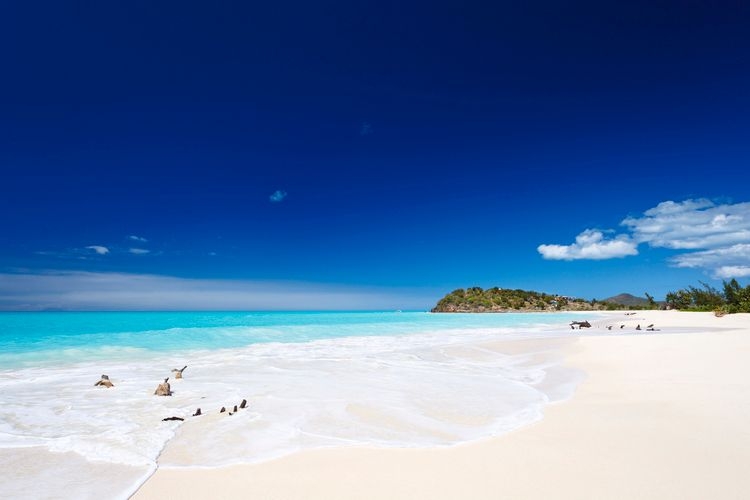
The best time to visit Antigua for beaches is usually December to June, with January to April standing out for the most reliable sunshine and the lowest rainfall. Beaches on the west and southwest coast are especially appealing during this stretch for swimming, boating, and calmer-water beach days.
When is the best time to visit Antigua for sailing and snorkeling?
For sailing, snorkeling, and boat trips, January to April is usually strongest. These months combine warm temperatures with drier weather, and Regatta Month in April makes Antigua one of the Caribbean’s standout sailing destinations.
When is the best time to visit Antigua for festivals and events?
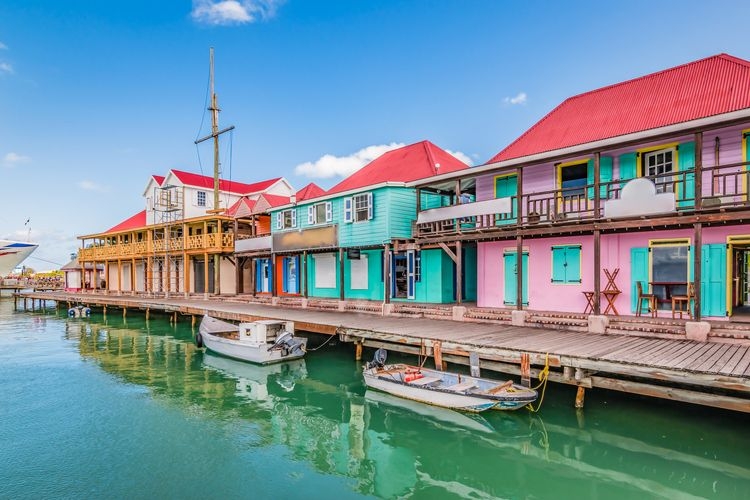
Antigua has standout events through the year, including Regatta Month in April, Culinary Month and Restaurant Week in May, Carnival in late July and early August, and Art Week in late November or early December.
What is the cheapest time to visit Antigua?
For better value villa rates, look at May, June, October, and November, when accommodation is often more competitive than during the winter high season. The trade-off is hotter weather or a greater chance of rain later in the year.
What is the least busy time to visit Antigua?
October is usually one of the quietest months to visit Antigua. It can work well for travelers who want lower prices and a slower island pace, as long as they are comfortable with wetter weather. September and October are usually the rainiest months in Antigua, while February through April is generally the driest stretch.
What are the top cultural attractions in Antigua?
The best cultural attractions include:
- Nelson’s Dockyard: a UNESCO-listed Georgian naval dockyard and one of Antigua’s most iconic historic sites.
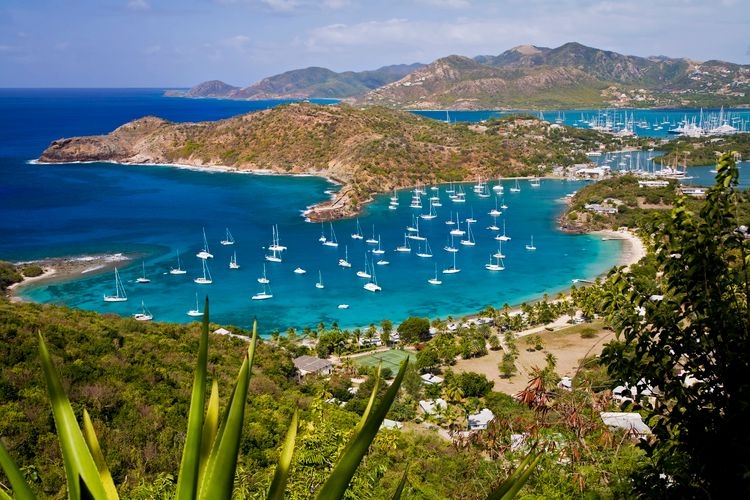
- Shirley Heights: historic military ruins with panoramic views over English Harbour.
- Betty’s Hope: a former sugar plantation with restored windmill towers and insight into Antigua’s colonial past.
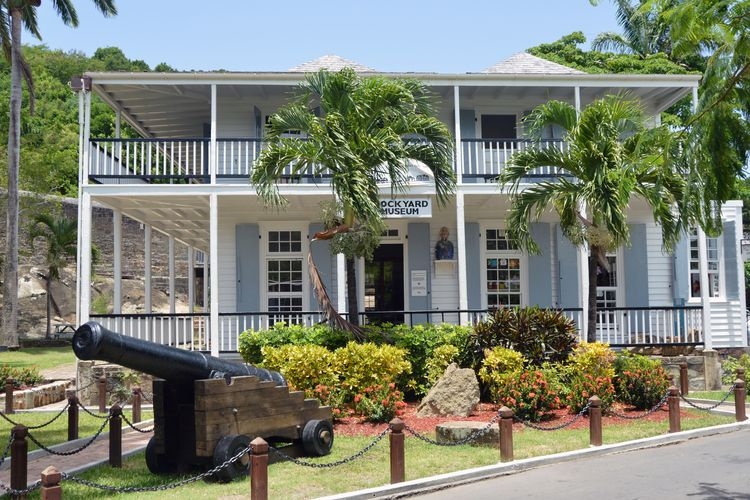
- Dockyard Museum: a small museum exploring Antigua’s naval and maritime history.
- Dow’s Hill Interpretation Centre: a visitor center sharing the island’s history through exhibits and multimedia displays.
- Fort Berkeley: atmospheric harbour-side fort ruins near English Harbour.
- Clarence House: a restored historic residence overlooking English Harbour.
- Museum of Antigua and Barbuda: a good introduction to the island’s history, culture, and heritage in St John’s
- St John’s Cathedral: a landmark Anglican cathedral in the capital.
- Redcliffe Quay: colorful heritage buildings, local shops, crafts, and restaurants in St John’s.
The best time to visit Antigua: a month-by-month guide
From dry-season beach days and regatta season to quieter fall escapes and festive winter sun, the best time to visit Antigua depends on what you want to do. This guide uses St John’s as a practical climate reference for the island.
Antigua in January
January is one of the best months to visit Antigua. The dry season is underway, the beaches are in top form, and it is an excellent month for sailing, beach clubs, snorkeling, and scenic island drives. It is also a strong month for classic winter-sun travel, with reliable beach weather across the island.
Weather in Antigua in January
Warm, sunny, and relatively dry, with comfortable beach weather and lower humidity than late summer. Average temperature: 22–28°C (72–82°F) | Chance of average rainfall: Moderate.
Antigua in February
February is one of the driest and most reliable months for an Antigua trip. It is ideal for beach time, swimming, snorkeling, and outdoor sightseeing, and it is one of the strongest months for travelers who want sunshine plus a lively island atmosphere.
Weather in Antigua in February
Warm, bright, and one of the driest periods of the year, with very good conditions for beaches and outdoor activities. Average temperature: 22–28°C (72–82°F) | Chance of average rainfall: Low.

Antigua in March
March is one of the best times to visit Antigua overall. The weather stays dry and warm, the sea is inviting, and it is a great month for beach days, catamaran trips, and longer snorkeling outings. It is also one of the island’s strongest months for travelers who want classic Caribbean conditions without the holiday-period rush.
Weather in Antigua in March
Warm, sunny, and very travel-friendly, with low rainfall and strong beach conditions. Average temperature: 22–29°C (72–84°F) | Chance of average rainfall: Low.
Antigua in April
April is one of the strongest shoulder-season months in Antigua. The weather stays warm and sunny, but the island can feel a little more relaxed than in the core winter stretch. It is especially good for sailing, and Regatta Month makes April one of Antigua’s standout travel periods.
Weather in Antigua in April
Warm and mostly dry, with long sunny days and very good coast-wide conditions. Average temperature: 23–29°C (73–84°F) | Chance of average rainfall: Moderate.
Antigua in May
May is one of the smartest months to visit Antigua if you want better value without losing the island feel. The weather stays hot and beach-friendly, crowds tend to ease, and Culinary Month and Restaurant Week give the island a strong food-and-drink focus.
Weather in Antigua in May
Hotter and more tropical, but still very good for beaches and water-based activities. Average temperature: 24–30°C (75–86°F) | Chance of average rainfall: Moderate.
Antigua in June
June marks the start of the wetter season, but it can still be a rewarding month to visit. There is usually plenty of sunshine between showers, beaches are quieter, and rates can be more attractive than in winter. It works especially well for relaxed beach-and-villa stays.
Weather in Antigua in June
Warm and tropical, with rising humidity and occasional short showers. Average temperature: 25–30°C (77–86°F) | Chance of average rainfall: Moderate.

Antigua in July
July is hot, bright, and often quieter than the winter season. It suits travelers who want a laid-back beach trip, warm seas, and more space on the sand. It is also when Carnival season begins building toward its biggest events, giving the island a more upbeat summer atmosphere.
Weather in Antigua in July
Warm and humid, with tropical heat and a growing chance of showers. Average temperature: 25–31°C (77–88°F) | Chance of average rainfall: Moderate.
Antigua in August
August is one of the hottest months on Antigua and one of the liveliest thanks to the climax of Antigua Carnival, one of the island’s biggest annual celebrations. It is best for travelers who want beach days plus major local atmosphere.
Weather in Antigua in August
Very warm and humid, with higher rainfall and a more tropical late-summer feel. Average temperature: 25–31°C (77–88°F) | Chance of average rainfall: High.

Antigua in September
September is one of the quietest months to visit Antigua and often one of the best for value. It can work well for travelers who want lower prices and fewer tourists, though it is also one of the wetter and more weather-sensitive times of year. Beaches and restaurants can feel especially peaceful.
Weather in Antigua in September
Hot, humid, and wetter, with the highest tropical-storm risk of the year. Average temperature: 25–31°C (77–88°F) | Chance of average rainfall: High.
Antigua in October
October continues the wet season, but the island can feel very uncrowded and good value. Showers often come in bursts rather than all day, so it can still work for slower beach stays, spa time, and dining-led villa holidays if flexibility is built in.
Weather in Antigua in October
Warm and tropical, with heavy showers at times and unsettled conditions. Average temperature: 24–30°C (75–86°F) | Chance of average rainfall: High.

Antigua in November
November is a useful transition month. Early in the month rain can still be frequent, but conditions often improve later on, and the island starts to feel more active again. Art Week adds a creative and cultural reason to visit near the end of the wetter season.
Weather in Antigua in November
Warm and improving, though still fairly wet, with more reliable sunshine later in the month. Average temperature: 23–30°C (73–86°F) | Chance of average rainfall: High.
Antigua in December
December is one of the most desirable months to visit Antigua. The weather turns drier and sunnier again, and the island becomes lively with holiday travel. It is one of the best months if you want a classic winter-sun trip with beach time, sailing, and festive atmosphere.
Weather in Antigua in December
Warm, sunnier, and drier again, with calmer seas and strong winter-sun appeal. Average temperature: 23–29°C (73–84°F) | Chance of average rainfall: Moderate.

Where to stay in Antigua
Best for first-time visitors and lively beach stays
The northwest coast is one of the strongest bases if you want developed resort beaches, easy access to St John’s, and a livelier beach scene. Areas around Dickenson Bay and Runaway Bay work especially well for first-time visitors.
Best for sailing, history, and a more classic Antigua atmosphere
English Harbour and Falmouth Harbour are best if you want a sailing-led trip, marina atmosphere, and easier access to Antigua’s historic side, including Nelson’s Dockyard and the island’s best-known yachting culture.
Best for quieter beach stays and sunset views
The west and southwest coast, including Jolly Harbour and nearby beaches, works especially well if you want a quieter beach holiday with marina access, watersports, and easy sunset views.
About our Antigua villas
Our self-catering Antigua villas with optional staff provide a spacious and exclusive base for a beach vacation, a sailing trip, or a longer Caribbean stay. These luxury villas are especially well suited to for groups and families seeking privacy, outdoor space and private pools - with easy access to the local beaches, boat trips and island attractions.