
30 Things to do in Washington DC
Discover 30 top things to do in Washington, DC, from monuments and Smithsonian museums to Georgetown, Capitol tours and cherry blossoms.

Discover the best of Washington DC
Washington, DC brings together some of the United States' most recognizable landmarks with world-class museums, historic neighborhoods, waterfront areas and an exceptional collection of free attractions. You can spend the morning exploring the National Mall, tour the U.S. Capitol after lunch, visit a Smithsonian museum in the afternoon and return to the monuments after dark when many of the city's landmarks are beautifully illuminated.
Museums are a major part of any visit. The Smithsonian alone operates numerous museums and galleries across the capital, covering everything from aviation and natural history to American culture, art and Indigenous heritage. Recent additions have made the city even more interesting, including the new Lincoln Memorial museum and undercroft experience and the National Geographic Museum of Exploration, which both opened in 2026.
Beyond the monumental core, neighborhoods such as Georgetown, Capitol Hill, Dupont Circle and The Wharf add restaurants, shopping, markets and local character. Parks, bike routes and the Potomac River also provide plenty of ways to spend time outdoors between museum visits.
Our Washington, DC vacation rentals include modern condos, elegant townhomes and luxury city homes suited to couples, families, groups and longer stays. Many feature fully equipped kitchens and spacious living areas, while selected homes also offer private outdoor spaces, parking, elevator access, pet-friendly amenities and stylish kids' bedrooms.


Iconic & Historic Things to Do in Washington, DC
1. Walk the National Mall
Location / Neighborhood: National Mall. Best For: First-time visitors, families, history, free sightseeing. Estimated Time Needed: Half day to full day. Cost / Entry: Free.
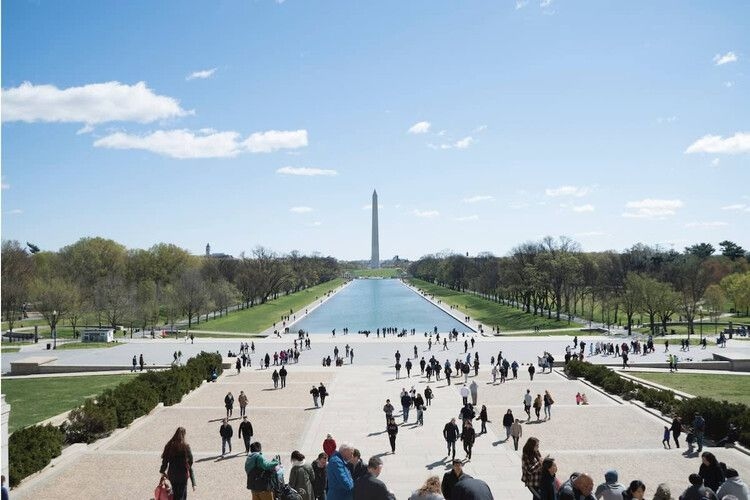
Start your Washington, DC visit on the National Mall, where many of the capital's most famous monuments, memorials and museums are concentrated within a walkable stretch of parkland. The U.S. Capitol anchors the eastern end, while the Washington Monument, Lincoln Memorial and Reflecting Pool create some of the city's most familiar views farther west.
Several Smithsonian museums line the Mall, so you can easily move between outdoor landmarks and indoor attractions throughout the day. Insider tip: don't underestimate the distances between landmarks — comfortable shoes are essential, and splitting the Mall across two days can make sightseeing considerably more enjoyable.
2. Visit the Lincoln Memorial and new undercroft museum
Location / Neighborhood: West end of the National Mall. Best For: Families, history, architecture, first-time visitors. Estimated Time Needed: 1–2 hours. Cost / Entry: Memorial free; timed ticket required for the undercroft museum.
Climb the broad steps of the Lincoln Memorial to see Daniel Chester French's monumental statue of Abraham Lincoln and look east across the Reflecting Pool towards the Washington Monument and U.S. Capitol. Inscriptions from the Gettysburg Address and Lincoln's Second Inaugural Address appear inside the chamber.
A major new visitor experience opened beneath the memorial in June 2026. The 15,000-square-foot undercroft and museum reveals the previously hidden structural space supporting the monument and uses exhibitions and multimedia to explore how the memorial's meaning has evolved over more than a century. Insider tip: the main memorial remains free without a reservation, but the new lower-level experience requires a separate timed-entry ticket.

3. Go to the top of the Washington Monument
Location / Neighborhood: National Mall. Best For: Families, couples, panoramic views, first-time visitors. Estimated Time Needed: 1–1.5 hours. Cost / Entry: Free; advance reservations carry a small booking fee.
Ride the elevator to the observation level of the Washington Monument for panoramic views across the capital. From around 500 feet above the Mall, you can look towards the White House, U.S. Capitol, Lincoln Memorial, Tidal Basin and surrounding neighborhoods.
Timed tickets are required for everyone aged two and over. Advance tickets are released 30 days ahead, with additional tickets released one day before the visit, while a limited supply of free same-day tickets is distributed from the Washington Monument Lodge. Insider tip: during spring, summer and fall, advance tickets can disappear almost immediately after release, so set a reminder if this is one of your must-do experiences.
4. See the White House
Location / Neighborhood: President's Park / Downtown. Best For: First-time visitors, families, political history. Estimated Time Needed: 30 minutes–1 hour outside; longer for a tour. Cost / Entry: Free.
See one of the world's most recognizable government buildings from the public viewing areas around the White House and Lafayette Square. Even if you don't enter the building, the surrounding district makes an easy addition to a sightseeing walk between the National Mall and Dupont Circle.
Public White House tours take visitors through rooms on the State Floor, including the Blue Room, Red Room, Green Room and State Dining Room. Requests currently need to be submitted through a Member of Congress between seven and 90 days before your proposed visit, and tours can be changed or canceled because of official business. Insider tip: plan your exterior visit independently even if you request a tour, as confirmed access can never be treated as guaranteed.
5. Tour the U.S. Capitol
Location / Neighborhood: Capitol Hill. Best For: Families, political history, architecture. Estimated Time Needed: 1.5–2.5 hours. Cost / Entry: Free; reservations recommended.
Go inside the seat of the U.S. Congress on a guided tour of the U.S. Capitol. Standard tours visit spaces including the Crypt, Rotunda and National Statuary Hall while guides explain the building's architecture, artworks and role in American government.
The Capitol Visitor Center also contains exhibitions and frequently offers additional specialty programs. Same-day tour passes may be available, but advance timed reservations are recommended. Insider tip: combine the Capitol with the Library of Congress and Supreme Court, which sit within the same compact Capitol Hill area.

6. Walk around the Tidal Basin
Location / Neighborhood: National Mall / West Potomac Park. Best For: Couples, families, photography, cherry blossoms. Estimated Time Needed: 1.5–3 hours. Cost / Entry: Free.
Follow the waterfront path around the Tidal Basin for views of some of Washington's most striking memorials. The route takes you close to the Thomas Jefferson Memorial, Franklin Delano Roosevelt Memorial and Martin Luther King, Jr. Memorial while offering repeated views across the water towards the Washington Monument.
The basin is especially famous during cherry blossom season, although it remains a beautiful walk throughout the year. Insider tip: visit early in the morning during peak bloom if you want quieter paths and softer light for photographs.
7. Visit the Library of Congress
Location / Neighborhood: Capitol Hill. Best For: Architecture, books, history, culture. Estimated Time Needed: 1.5–2 hours. Cost / Entry: Free; timed-entry pass required.
Step inside the magnificent Thomas Jefferson Building at the Library of Congress, where ornate architecture, mosaics, sculpture and grand interior spaces make the building worth visiting even before you begin exploring its collections.
Current highlights include Thomas Jefferson's reconstructed personal library and The Declaration's Promise, an America 250 exhibition featuring major items from the Library's collections, including Jefferson's rough draft of the Declaration of Independence and Abraham Lincoln's Gettysburg Address. Insider tip: every visitor requires a free timed-entry pass, with advance reservations available on a rolling basis and a limited supply released online for the same day.

8. See the Declaration of Independence at the National Archives
Location / Neighborhood: Constitution Avenue / Penn Quarter. Best For: Families, history, first-time visitors. Estimated Time Needed: 1.5–2 hours. Cost / Entry: Free; optional timed reservations may carry a booking fee.
See three of the most important documents in American history inside the National Archives: the Declaration of Independence, U.S. Constitution and Bill of Rights. They are displayed together in the Rotunda for the Charters of Freedom.
Additional exhibitions explore government records, citizenship and the ways documents preserve the story of the United States. Insider tip: crowds around the Rotunda are often lighter earlier or later in the day, giving you more time to look closely at the documents.
9. Visit the Supreme Court
Location / Neighborhood: Capitol Hill. Best For: Politics, law, architecture, history. Estimated Time Needed: 1–2 hours. Cost / Entry: Free.
Step inside the home of the highest court in the United States. When the building is open to visitors, you can explore exhibitions about the Supreme Court, see public areas and learn more about the history and architecture of the institution.
Courtroom lectures may be available when the Court is not sitting, while public access changes on days when oral arguments take place. Insider tip: pair the Supreme Court with the nearby Capitol and Library of Congress so you can explore three major institutions without repeatedly crossing the city.

10. Visit Ford's Theatre
Location / Neighborhood: Penn Quarter. Best For: History, theater, older families. Estimated Time Needed: 1.5–2.5 hours. Cost / Entry: –$; tickets or reservations apply.
Explore the site where President Abraham Lincoln was assassinated in April 1865 at Ford's Theatre. Depending on the day's program, your visit can include the historic theater, museum exhibits and Petersen House across the street, where Lincoln died the following morning.
The museum uses original objects and interpretation to explain the assassination, the manhunt for John Wilkes Booth and the wider historical context. Ford's remains a working theater as well as a historic site, so access varies according to performance schedules. Insider tip: check the day's visit format carefully before booking because different tickets include different parts of the site.
Museums & Family Things to Do in Washington, DC
11. Explore the Smithsonian National Air and Space Museum
Location / Neighborhood: National Mall. Best For: Families, aviation, space, science. Estimated Time Needed: 3–5 hours. Cost / Entry: Free; timed-entry pass required.
Trace the history of flight and space exploration at the National Air and Space Museum, home to landmarks of aerospace history including the 1903 Wright Flyer, Apollo 11 Command Module Columbia and spacecraft associated with the early space program.
The museum has undergone a huge multi-year transformation, with redesigned galleries, new interactives and returning icons reopening in stages. The final renovated galleries are scheduled to open during fall 2026, completing the overhaul of all 20 exhibition spaces. Insider tip: admission remains free, but a timed-entry pass is required for the National Mall museum, so reserve before heading downtown.

12. Discover dinosaurs and gems at the National Museum of Natural History
Location / Neighborhood: National Mall. Best For: Families, science, dinosaurs, rainy days. Estimated Time Needed: 3–4 hours. Cost / Entry: Free; no ticket required.
Explore the natural world at the Smithsonian National Museum of Natural History, one of Washington's most popular family museums. Exhibitions cover dinosaurs, human origins, oceans, mammals, minerals and the changing planet.
Highlights include the Hall of Fossils, enormous collections of gems and minerals and the famous Hope Diamond. Unlike several other headline DC attractions, no timed pass is currently needed for general admission. Insider tip: arrive near opening or later in the afternoon if you want to avoid the busiest family crowds around the major galleries.
13. Explore the National Museum of American History
Location / Neighborhood: National Mall. Best For: Families, history, pop culture. Estimated Time Needed: 2–4 hours. Cost / Entry: Free; no ticket required.
Explore American history through objects connected with politics, culture, technology, entertainment and everyday life at the National Museum of American History. One of the museum's defining displays is the original Star-Spangled Banner that inspired the U.S. national anthem.
For 2026, the museum is marking the 250th anniversary of the Declaration of Independence with In Pursuit of Life, Liberty & Happiness, a building-wide exhibition drawing on 250 objects from its collections. Insider tip: families with younger children should check the operating hours for interactive areas such as Wegmans Wonderplace and Spark!Lab, as they can differ from the museum's general opening hours.

14. Visit the National Museum of African American History and Culture
Location / Neighborhood: National Mall. Best For: History, culture, families with older children. Estimated Time Needed: 3–5 hours. Cost / Entry: Free; timed-entry pass required.
Allow several hours for the National Museum of African American History and Culture, whose exhibitions explore African American history, community, culture and achievement from slavery and Reconstruction through the civil rights movement and contemporary life.
The museum's scale and emotional depth make it worth treating as one of the main activities of your day rather than fitting it between several other attractions. Insider tip: all visitors need a free timed-entry pass; advance passes are released 30 days ahead and limited same-day passes are released online each morning.
15. Explore the National Gallery of Art
Location / Neighborhood: National Mall. Best For: Couples, families, art, free activities. Estimated Time Needed: 2–4 hours. Cost / Entry: Free; no ticket required.
See works spanning centuries at the National Gallery of Art, whose West Building focuses largely on European and American art while the striking East Building presents modern and contemporary collections.
You can move between paintings, sculpture and temporary exhibitions before stepping outside into the National Gallery Sculpture Garden. Admission is free and general visits do not require passes. Insider tip: if you have only an hour, identify a handful of must-see works before entering rather than trying to cover both buildings in detail.

16. Visit the National Portrait Gallery and Smithsonian American Art Museum
Location / Neighborhood: Penn Quarter. Best For: Art, American history, couples, free activities. Estimated Time Needed: 2–4 hours. Cost / Entry: Free.
Explore two Smithsonian collections within the historic Old Patent Office Building. The National Portrait Gallery tells stories of people who have shaped American history and culture, while the Smithsonian American Art Museum spans centuries of American creativity.
The shared Kogod Courtyard provides a bright central space to pause between galleries and makes this an especially useful museum pairing on a rainy or extremely hot day. Insider tip: the museums sit close to Chinatown, Penn Quarter restaurants and the Downtown Holiday Market area, making them easy to combine with an evening downtown.
17. Become a secret agent at the International Spy Museum
Location / Neighborhood: L'Enfant Plaza. Best For: Families with older children, teenagers, groups. Estimated Time Needed: 2.5–3 hours. Cost / Entry: $.
Dive into the world of espionage at the International Spy Museum, an interactive attraction exploring intelligence gathering, disguise, covert operations and the real people behind famous spy stories.
Interactive elements let visitors adopt a cover identity and test their skills while working through the exhibitions. The museum also introduced Camouflage: Designed to Deceive in 2026, exploring the surprising connections between camouflage, design and espionage. Insider tip: buy timed tickets ahead during spring break, summer and holiday weekends, when later slots can sell out.
18. Visit the new National Geographic Museum of Exploration
Location / Neighborhood: Downtown / 16th and M Streets NW. Best For: Families, science, geography, photography. Estimated Time Needed: 2–4 hours. Cost / Entry: $.
Discover one of Washington's newest major attractions at the National Geographic Museum of Exploration, which opened in June 2026 following a complete transformation of the National Geographic Society's headquarters.
More than 100,000 square feet of interactive spaces combine photography, storytelling, science, mapping and the work of National Geographic Explorers. Experiences include Photo Ark: Animals of Earth, the immersive Geoverse and exhibitions drawing on the Society's archives and global fieldwork. Insider tip: advance tickets are worthwhile during weekends and school vacations, especially while the museum remains one of DC's newest attractions.

19. Explore Native history at the National Museum of the American Indian
Location / Neighborhood: National Mall. Best For: Families, Indigenous history, culture. Estimated Time Needed: 2–3 hours. Cost / Entry: Free; no pass required.
Explore the histories, cultures and contemporary voices of Indigenous peoples of the Americas at the Smithsonian's National Museum of the American Indian. Exhibitions draw on Native perspectives and extensive collections spanning North, Central and South America.
The curving limestone building and surrounding landscape were designed to evoke natural forms, making the architecture part of the experience too. Insider tip: allow time for the museum's Mitsitam Native Foods Cafe, where menus draw inspiration from Indigenous culinary traditions from different regions.
20. Visit Smithsonian's National Zoo
Location / Neighborhood: Woodley Park. Best For: Families, wildlife, conservation. Estimated Time Needed: Half day. Cost / Entry: Free; entry pass and parking arrangements vary.
Spend a half day at Smithsonian's National Zoo, where wildlife habitats sit within a large wooded site in northwest Washington. Animals range from elephants and great apes to big cats and numerous smaller species, while conservation science is a major part of the Smithsonian's work here.
The hilly grounds involve more walking than many visitors expect, so comfortable footwear is important. Insider tip: reserve your entry arrangements in advance and use Metro if possible, as driving and parking can add unnecessary complication to a family day out.

Neighborhood, Outdoor & Unique Things to Do in Washington, DC
21. Explore the U.S. Botanic Garden
Location / Neighborhood: Capitol Hill / National Mall. Best For: Families, couples, gardens, free activities. Estimated Time Needed: 1–2 hours. Cost / Entry: Free.
Step into tropical, desert and other plant environments at the U.S. Botanic Garden beside the Capitol. The Conservatory contains themed plant collections from around the world, while surrounding outdoor gardens add seasonal displays and native planting.
It is a particularly useful stop when you want a quieter attraction between major museums and government landmarks. Insider tip: combine the Botanic Garden with the Capitol and National Museum of the American Indian, which are all within an easy walk of one another.
22. Stroll through Georgetown
Location / Neighborhood: Georgetown. Best For: Couples, shopping, dining, historic streets. Estimated Time Needed: Half day. Cost / Entry: Free to explore.
Spend a few hours exploring Georgetown's historic streets, Federal-era architecture, boutiques and restaurants. M Street and Wisconsin Avenue form the busiest commercial core, while quieter residential streets reveal elegant historic homes and tree-lined blocks.
Walk towards the C&O Canal or continue downhill to Georgetown Waterfront Park for views across the Potomac River. Insider tip: arrive during the afternoon, browse the neighborhood and stay for dinner rather than trying to fit Georgetown into a rushed one-hour stop.

23. Hike or cycle in Rock Creek Park
Location / Neighborhood: Northwest Washington, DC. Best For: Families, couples, hiking, cycling. Estimated Time Needed: 2–4 hours. Cost / Entry: Free.
Escape the monumental cityscape in Rock Creek Park, a large wooded urban park stretching through northwest Washington. Trails, picnic areas, historic sites and recreational routes provide a surprisingly natural setting only a short distance from central neighborhoods.
The park is particularly attractive in fall, when forest colors provide a contrast to the marble monuments downtown. Insider tip: download a trail map before setting out and choose a defined route rather than assuming every path will naturally return you to your starting point.
24. Kayak or paddleboard on the Potomac River
Location / Neighborhood: Georgetown and Potomac waterfront. Best For: Couples, families with older children, outdoor activities. Estimated Time Needed: 1–3 hours. Cost / Entry: $$; seasonal rentals or tours apply.
See Washington from water level by renting a kayak or paddleboard on the Potomac. Seasonal outfitters around the waterfront provide opportunities to paddle beneath bridges and enjoy views towards Georgetown and parts of the capital skyline.
This is an excellent warm-weather alternative after several days of indoor museums and walking tours. Insider tip: choose a morning session when summer temperatures can be more comfortable and always follow local water, weather and operator guidance.

25. Browse Eastern Market and Capitol Hill
Location / Neighborhood: Capitol Hill. Best For: Families, couples, food, local shopping. Estimated Time Needed: 2–3 hours. Cost / Entry: Free to browse; food and shopping extra.
Experience a more neighborhood-focused side of Washington around Eastern Market, a historic public market surrounded by Capitol Hill's handsome row houses and tree-lined streets.
Inside and around the market you'll find food vendors, while weekend activity can include additional artists, craftspeople and local sellers. It is easy to combine with a walk through the residential streets of Capitol Hill after visiting the U.S. Capitol earlier in the day. Insider tip: weekends generally offer the liveliest market atmosphere, while weekdays are better if you prefer a quieter local food stop.
26. Spend an evening at The Wharf
Location / Neighborhood: Southwest Waterfront. Best For: Couples, families, restaurants, nightlife. Estimated Time Needed: 2–4 hours. Cost / Entry: Free to explore; food and entertainment extra.
Head to Washington's Southwest Waterfront for restaurants, entertainment venues, piers and views across the Washington Channel. The Wharf feels noticeably different from the museum-heavy National Mall and works particularly well for dinner after a day of sightseeing.
Depending on the evening, you can add live music, waterfront drinks or simply a walk beside the water. Insider tip: combine The Wharf with the International Spy Museum, which is within easy walking distance around L'Enfant Plaza.

27. See a performance at the Kennedy Center
Location / Neighborhood: Foggy Bottom / Potomac waterfront. Best For: Couples, families, theater, music. Estimated Time Needed: 2–4 hours. Cost / Entry: Free to explore public areas; performance tickets vary.
Experience Washington's performing-arts scene at the John F. Kennedy Center for the Performing Arts, which hosts theater, dance, orchestral music, opera and touring performances throughout the year.
Even without a main-stage ticket, the building and waterfront setting are worth exploring, and free performances are regularly presented through the Millennium Stage program. Insider tip: arrive before your performance to enjoy views from the terraces and explore the REACH expansion rather than heading directly to your seat.
28. Walk Dupont Circle and Embassy Row
Location / Neighborhood: Dupont Circle / Massachusetts Avenue. Best For: Couples, architecture, neighborhoods, cafés. Estimated Time Needed: 2–3 hours. Cost / Entry: Free.
Explore one of Washington's most attractive residential districts around Dupont Circle before following Massachusetts Avenue through Embassy Row. Historic mansions, diplomatic residences and embassies line the route, giving the neighborhood an architectural character very different from the National Mall.
Bookstores, galleries, coffee shops and restaurants around Dupont make it easy to slow down between sightseeing stops. Insider tip: combine the walk with the nearby Phillips Collection if you want to add another art experience away from the large National Mall museums.

29. Eat and shop at Union Market
Location / Neighborhood: NoMa / Union Market District. Best For: Food lovers, couples, groups, local culture. Estimated Time Needed: 2–3 hours. Cost / Entry: Free to enter; food and shopping extra.
Explore Washington's contemporary food scene at Union Market, where independent vendors and restaurants occupy a large food hall surrounded by shops, cafés and creative businesses.
The neighborhood has grown into a broader dining and entertainment district, making it a useful choice when your group wants a less formal meal and plenty of different cuisines in one place. Insider tip: go hungry and share several dishes rather than ordering a full meal from the first vendor you see.
30. See the monuments at night
Location / Neighborhood: National Mall. Best For: Couples, families, photography, evening sightseeing. Estimated Time Needed: 2–3 hours. Cost / Entry: Free independently; guided tours extra.
Return to the National Mall after sunset to see Washington's monuments in a completely different atmosphere. The Lincoln Memorial, World War II Memorial, Martin Luther King, Jr. Memorial and other landmarks are dramatically illuminated after dark, while cooler evening temperatures can make walking much more pleasant during summer.
You can explore independently or choose a guided walking, bus or bicycle tour if you want historical commentary along the route. Insider tip: save this for a clear evening and start around sunset so you can watch the monuments change as daylight fades.

Seasonal Events in Washington, DC
National Cherry Blossom Festival
The National Cherry Blossom Festival usually runs from mid-March to April and marks the 100th anniversary of the festival itself. Major events include the Opening Ceremony, Blossom Kite Festival, Petalpalooza and the National Cherry Blossom Festival Parade.
Peak bloom dates depend on winter and early-spring weather and cannot be predicted accurately months in advance. Insider tip: book spring accommodation early and follow the official Bloom Watch as your trip approaches rather than assuming the blossoms will peak on the festival's busiest weekend.
The National Cherry Blossom Festival brings spring blooms, parades, performances, and citywide events to Washington, DC from March to April.
Independence Day on the National Mall
Every July 4, Washington becomes one of the country's most atmospheric places to celebrate Independence Day, with events and a major evening fireworks display centered around the National Mall.
Large crowds, security measures and transport changes are part of the experience. Insider tip: use Metro and plan a full day around the celebration rather than trying to drive into the monumental core shortly before the fireworks.
Capital Pride
Capital Pride returns for select dates in June, with the main Pride Parade, festival and concert held on the most popular dates. Events across Washington celebrate the capital's LGBTQ+ community through performances, parties and community programming.
Insider tip: accommodation and restaurants around central Pride events can become busy, so reserve ahead if the parade and festival are important parts of your trip.

DC JazzFest
DC JazzFest runs in early September, bringing leading jazz musicians to venues across the city. Programming typically combines free and ticketed concerts and reflects Washington's deep connections with jazz history.
Insider tip: check the full program when it is released and build your sightseeing around evening performances rather than trying to fit several concerts into one day.
National Christmas Tree
During the holiday season, the National Christmas Tree and surrounding Pathway of Peace transform the Ellipse south of the White House into one of Washington's best-known festive displays. Smaller decorated trees represent U.S. states and territories around the central tree.
The display is traditionally free to visit, although annual dates are announced closer to the season. Insider tip: combine it with an evening visit to the nearby White House and illuminated National Mall rather than making a separate daytime journey.
Where to Stay in Washington, DC
Stay close to Downtown or the White House if major monuments, Smithsonian museums and the National Mall are your priorities. A central base is particularly useful for first-time visitors and shorter city breaks because many headline attractions can be reached on foot or by a short Metro journey.
Capitol Hill works especially well for families and longer stays. Historic residential streets place you close to the U.S. Capitol, Library of Congress, Eastern Market and several Smithsonian attractions while giving you a more neighborhood-focused base than the busiest downtown blocks.
Georgetown and Dupont Circle are strong choices for couples and return visitors who want historic streets, restaurants, shopping and local character alongside straightforward access to central sightseeing.
Our Washington, DC vacation rentals range from two-bedroom condos to larger townhomes and city houses sleeping groups of around 10 or more. Many feature open-plan living areas and fully equipped kitchens, while selected properties add private terraces or yards, parking, workspaces, elevators and pet-friendly facilities.


