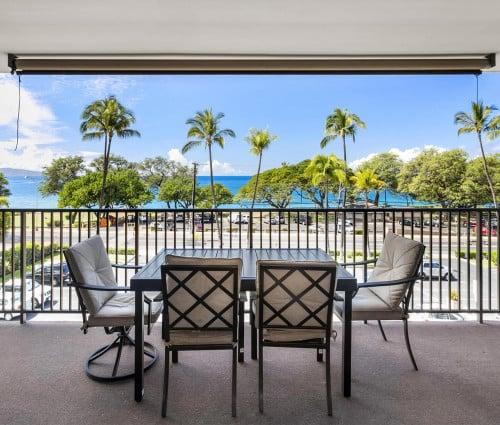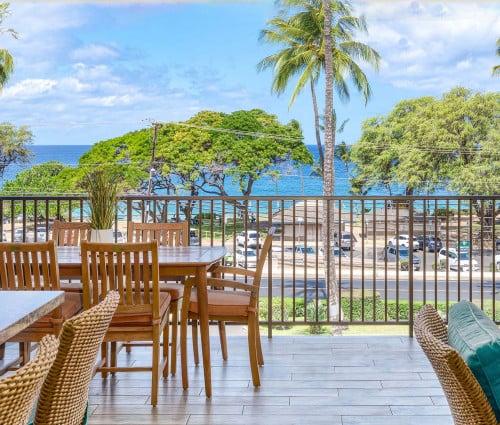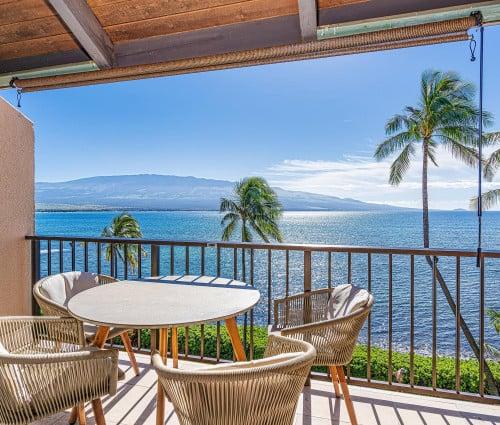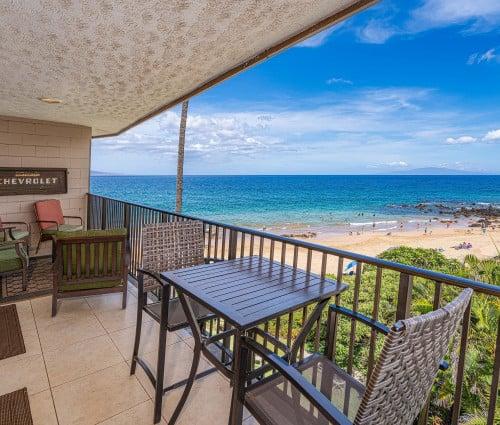
The best time to visit Maui
The best time to visit Maui is April to June and September to October. Read on for the best weather, crowds & events, plus when to snorkel, hike & whale-watch.
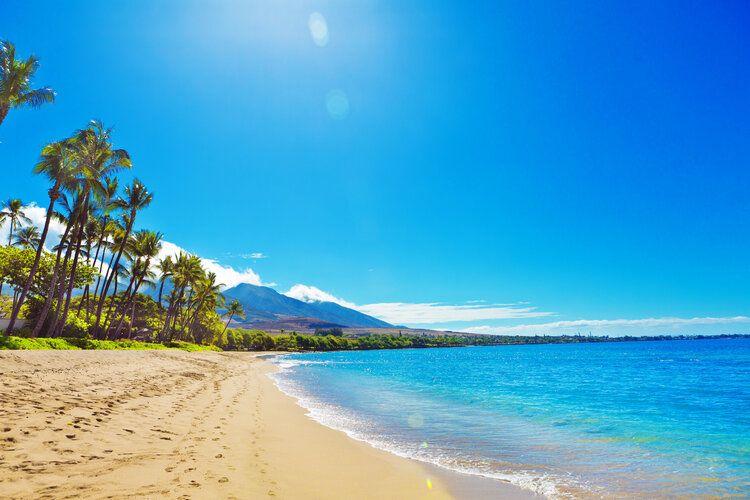
When to go to Maui for the best weather, crowds and events?
The best time to visit Maui is usually April through June and September through October, when the weather is warm, the ocean is often calmer, and crowds are lighter than during peak winter and summer travel periods. These months suit most travelers, whether you want a beach break in Wailea or Kaʻanapali, a scenic trip built around the Road to Hāna and Haleakalā, or a more active stay with snorkeling, hiking, and boat tours. Winter is best for whale watching and dramatic North Shore surf, while summer is best for calm water, beach time, and easier access to North Shore snorkeling spots.
If you are looking for the cheapest time to visit Maui or fewer crowds, late April, May, September, and early October often offer the best balance of value and good conditions. Some travelers may prefer to avoid November and December, when rainfall tends to rise, or mid-winter holiday weeks, when visitor demand is strongest.
In this guide, we’ll cover:
- The best time to visit Maui for different travel styles
- Answer common FAQs
- Explain regional differences
- Share a month-by-month guide to help you choose the right time to go.

A quick guide to the best months to visit Maui
What are the best months to visit Maui overall?
For most travelers, the best months to visit Maui are April, May, September, and October. These months usually offer the best balance of warm weather, good ocean conditions, and lighter crowds.
When is the best time to visit Maui for beaches?
The best time to visit Maui for beaches is usually April to October, when sea conditions are generally calmer and the weather is warmer and drier across much of the island. Summer is especially good for North Shore beaches, while South and West Maui tend to stay appealing across more of the year.
When is the best time to visit Maui for snorkeling and ocean tours?
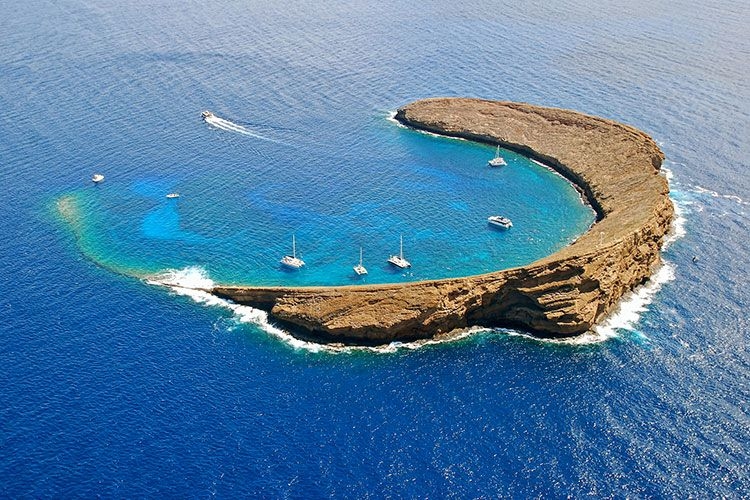
For snorkeling, diving, paddling, and boat tours, May through September is usually best. These months often bring clearer water and calmer seas, especially around Molokini, South Maui, and many of the island’s more sheltered beaches.
When is the best time to visit Maui for hiking?
For hiking, April to June and September to October are usually best. Trails are often drier than in winter, while temperatures are more comfortable than at the peak of summer heat. That makes these months especially good for Haleakalā, Waiheʻe Ridge, Waimea-style scenic drives, and the island’s coastal and upcountry routes.
What is the cheapest time to visit Maui?
For better value, look at late April, May, September, and early October, when prices are often lower than in peak winter and midsummer.
What is the rainiest time to visit Maui?
November through March is generally the wetter part of the year on Maui, with December typically the wettest month in the climate averages for Maui.
When is the best time to visit Maui for whale watching?
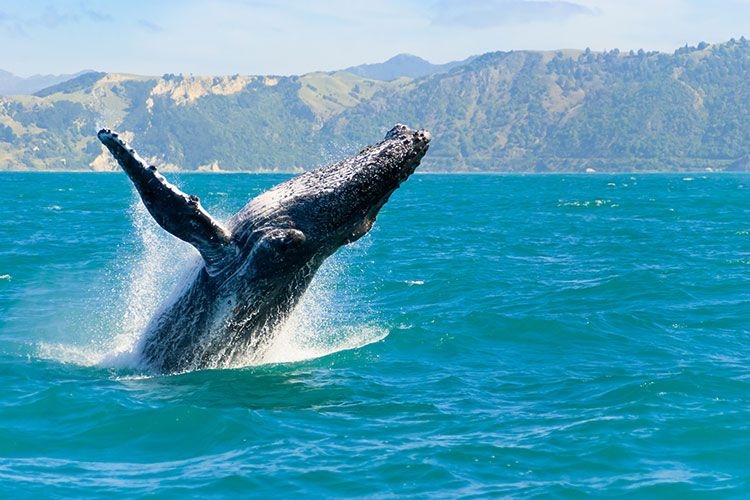
For whale watching, December to March is usually best, with January and February often considered the peak months for humpback sightings around Maui.
The best time to visit Maui: a month-by-month guide
From winter whale watching and big-wave surf to summer snorkeling and quieter fall escapes, the best time to visit Maui depends on what you want to do. Use this month-by-month guide to plan around the island’s top seasonal experiences, events, and attractions.
Maui in January
January is one of the most scenic months to visit Maui. The island is lush and green, humpback whale season is in full swing, and the North Shore sees strong winter surf that draws spectators and experienced surfers to spots such as Ho‘okipa. It is also a good month for scenic drives, cooler hikes, and the Maui Oceanfront Marathon, which adds an active event to the start of the year.
Weather in Maui in January
Cooler, breezy, and one of the wetter months, with calmer South and West Maui beaches and bigger North Shore surf. Average temperature: 17–27°C (63–81°F) | Chance of average rainfall: Moderate.
Maui in February
February continues Maui’s winter appeal, with strong whale-watching conditions, lush scenery, and good weather for couples’ trips, scenic boat trips to the Molokini Crater and calmer South Maui beach days. A seasonal highlight is World Whale Day programming on Maui, which adds an extra conservation-and-culture angle to peak whale season.
Weather in Maui in February
Warm, bright, and still relatively wet compared with late spring and summer, with winter surf continuing on the North Shore. Average temperature: 18–27°C (64–81°F) | Chance of average rainfall: Moderate.
Maui in March
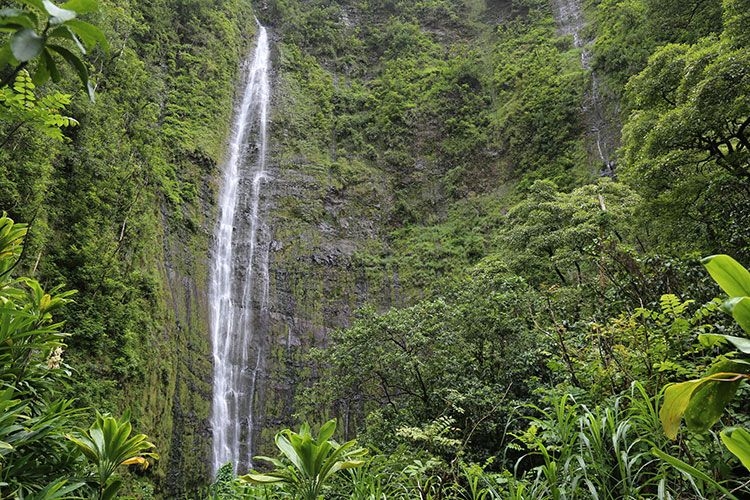
March is a transition month, when winter starts to ease and spring conditions begin to return. Whale sightings continue, waterfalls remain lively from winter rains, and beach conditions often improve as the month goes on. It is a strong time for road trips, mixed adventure-and-relaxation itineraries, and scenic coastal walks before the late-spring sweet spot begins.
Weather in Maui in March
Warm with intermittent rainfall and improving beach conditions later in the month. Average temperature: 18–28°C (65–82°F) | Chance of average rainfall: High.
Maui in April
April is one of the best times to visit Maui. Rainfall drops, ocean clarity improves, and conditions are excellent for snorkeling, hiking, golf and beach time across much of the island. It is especially good for Molokini trips, South Maui reef snorkeling, and drier hiking days.
Weather in Maui in April
Warm, mild, and less rainy, with improving ocean conditions for snorkeling and sightseeing. Average temperature: 19–28°C (66–83°F) | Chance of average rainfall: Moderate.
Maui in May
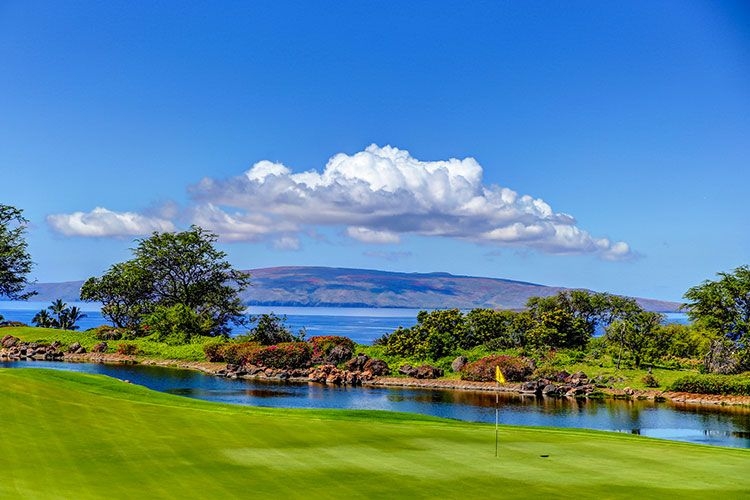
May is another standout month. The island stays warm and sunny, the water is especially inviting for swimming and snorkeling, and crowds are often lighter than in midsummer. It is also a strong month for golf and island events, including the Maui Brewers Festival, which adds a fun local-food-and-drink draw to one of Maui’s best-value shoulder-season periods.
Weather in Maui in May
Warm, sunny, and generally dry with excellent beach and water-activity conditions. Average temperature: 20–30°C (67–85°F) | Chance of average rainfall: Low.
Maui in June
June marks the start of summer on Maui and is one of the best months for beach hopping, stand-up paddleboarding, and calm-water ocean tours. It is also a good time for families and longer beach holidays, with strong sunshine and more dependable snorkeling conditions than in winter.
Weather in Maui in June
Dry, warm, and sunny, with some of the calmest ocean conditions of the year. Average temperature: 21–30°C (70–87°F) | Chance of average rainfall: Low.
Maui in July
July is peak summer, bringing lively beach energy, excellent conditions for boat tours, and strong snorkeling and paddling. It is one of the best months for resort-style beach days, sunset cruises, and clear-skies views across the island. Fourth of July celebrations also add extra atmosphere to the month.
Weather in Maui in July
Hot and mostly dry, with reliably calm seas and strong sunshine across much of the island. Average temperature: 22–31°C (72–88°F) | Chance of average rainfall: Low.
Maui in August
August is one of the hottest months on Maui and one of the best for paddling, snorkeling, and family beach vacations. The ocean often stays clear and calm, especially in South and West Maui, making it a strong month for travelers whose priority is warm-water activities and long beach days.
Weather in Maui in August
Hot, humid, and mostly dry, with excellent ocean clarity and beach weather. Average temperature: 22–31°C (72–88°F) | Chance of average rainfall: Low.
Maui in September
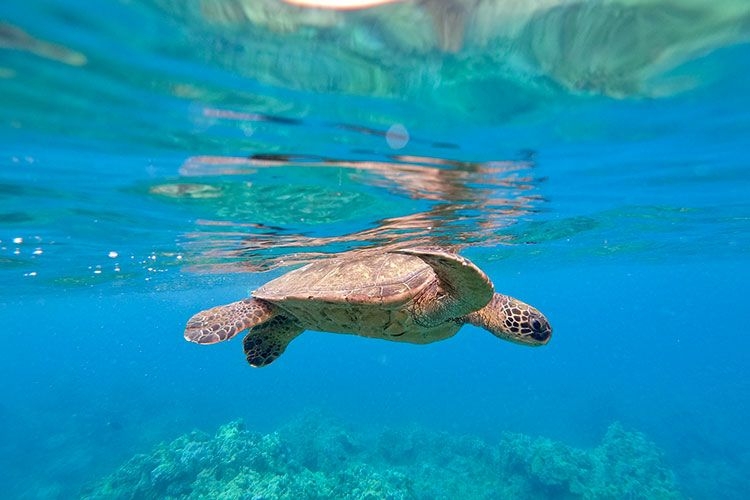
September is one of Maui’s sweetest spots, with summer-like weather but fewer visitors than July and August. Ocean conditions often stay calm, evenings feel warm and relaxed, and the island works very well for those seeking value-focused trips around beaches, sea turtles and great snorkeling weather. It is one of the smartest months if you want good conditions without peak-season pressure.
Weather in Maui in September
Hot with rising humidity, while the ocean often stays calm before fall weather begins to shift. Average temperature: 22–32°C (71–89°F) | Chance of average rainfall: Low.
Maui in October
October is one of the best shoulder-season months on Maui. The island stays warm, crowds remain lighter than in midsummer, and many of the best beach and road-trip experiences are still very easy to enjoy. It is a scenic, peaceful month that suits couples, repeat visitors, and travelers looking for better value.
Weather in Maui in October
Warm and a little wetter at times, but still very good for beach days and scenic drives. Average temperature: 21–31°C (70–87°F) | Chance of average rainfall: Low.
Maui in November
November signals the return of the wetter season, with richer greenery, more dramatic cloudscapes, and a calmer overall pace before December’s holiday demand. It is a good month for slower scenic trips, less crowded hiking routes and nature trails, quieter beaches, and shopping local, with the Made in Maui County Festival adding a strong seasonal highlight.
Weather in Maui in November
Cooler and rainier, with greener landscapes and a more changeable island feel. Average temperature: 20–29°C (68–84°F) | Chance of average rainfall: Moderate.
Maui in December
December is festive, popular, and one of the best months for winter sun if you do not mind a little more rain. Whale season returns, holiday travel lifts the atmosphere, and beach days in South and West Maui remain especially appealing. It is a strong month for festive trips, scenic winter drives, and a warmer end-of-year escape.
Weather in Maui in December
Rainier and a little cooler, with winter conditions returning and whale season beginning again. Average temperature: 19–28°C (65–82°F) | Chance of average rainfall: High.
Where to stay in Maui
Best for beach vacations
Wailea and Kihei are some of the strongest choices for beach-focused stays, especially if you want sunnier South Maui conditions, swimmable beaches, and easy access to restaurants and family-friendly coastal areas.
Best for scenic West Maui stays
Kāʻanapali, Kapalua, and Napili-Honokōwai work well if you want resort beaches, whale-watching views in winter, and a classic Maui holiday feel with easier access to snorkeling, golf, and coastal dining.
Best for road trips and upcountry scenery
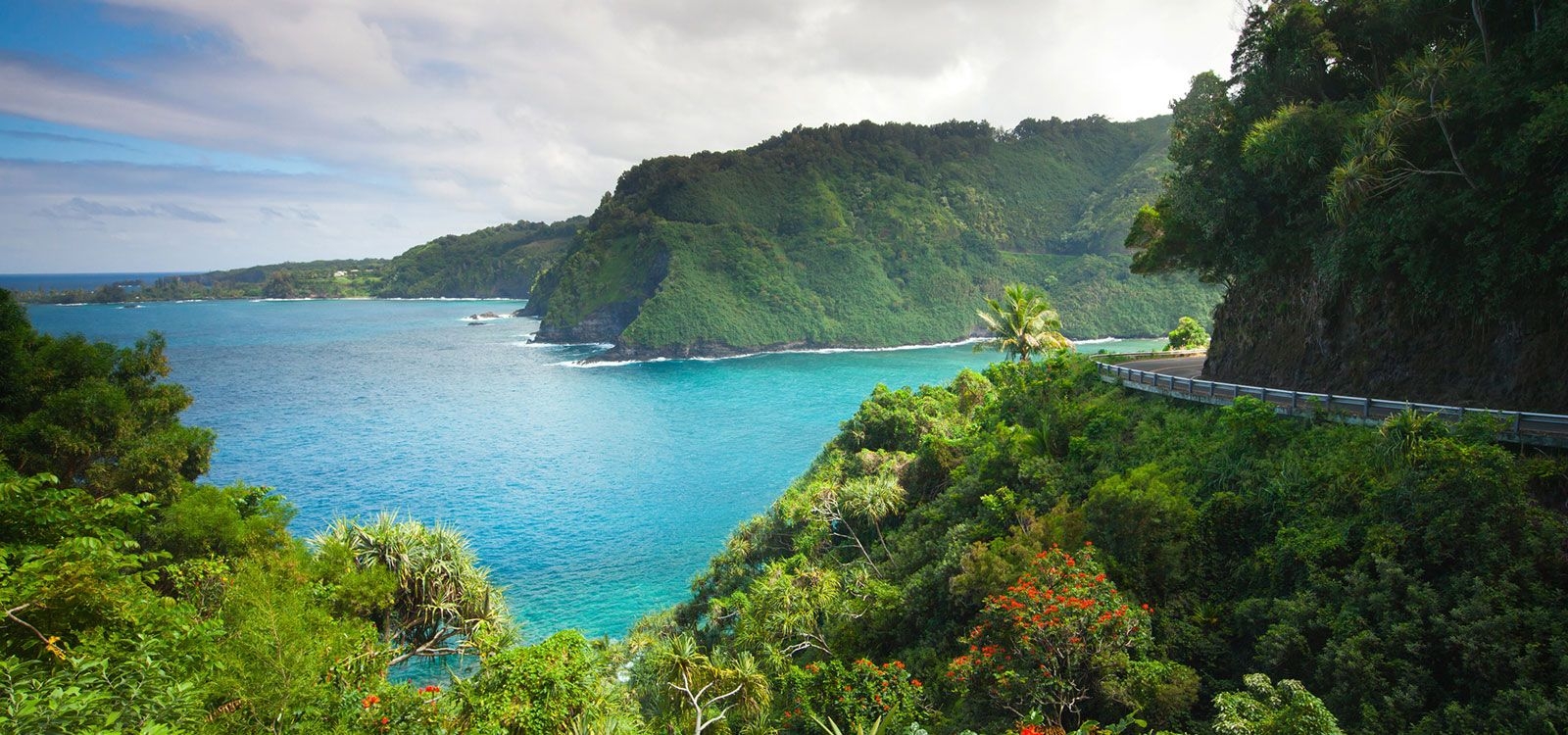
Areas with easier access to Upcountry Maui, Haleakalā, and the Road to Hāna are best for travelers who care most about scenic drives, volcanic landscapes, waterfalls, and a broader island itinerary beyond the beach.
About our Maui vacation rentals
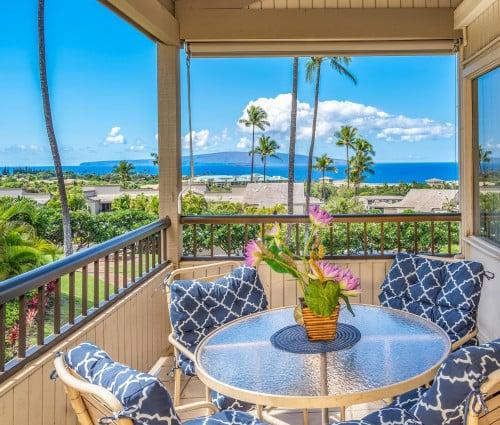
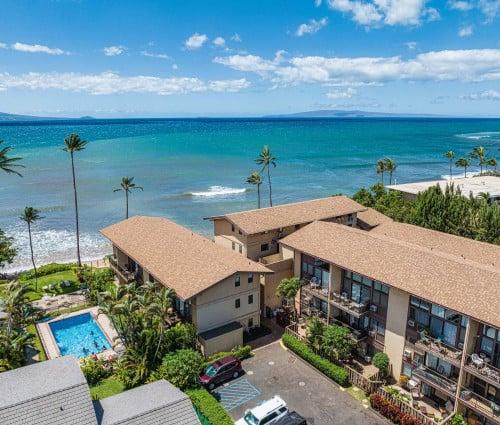
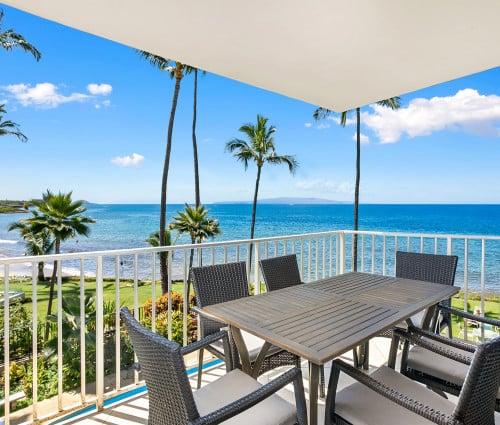
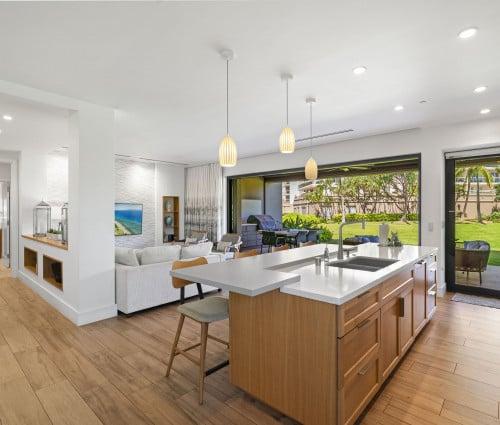
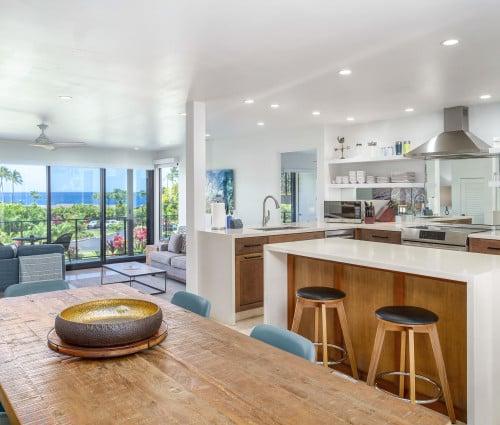
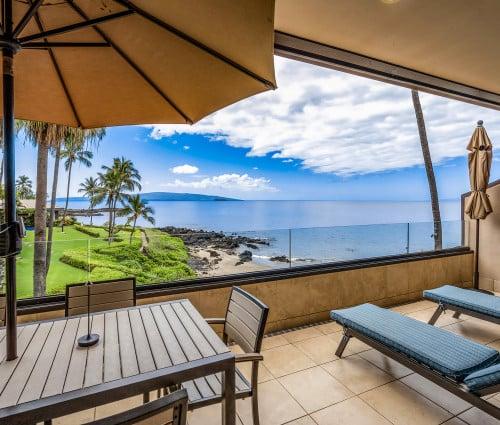
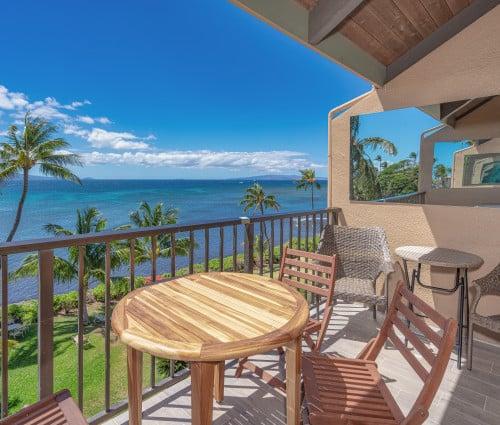
Our exclusive collection of self-catering Maui vacation rentals with optional concierge, private pools or access to beachfront resort amenities offer a carefree base for groups of all sizes. Soak up effortless beach breaks, fun multi-generational trips or extended stays built around snorkeling, nature hike, and island drives. Placed in prime areas including Kihei, Wailea-Makena, Napili-Honokōwai, and Wailuku, enjoy all the best that Maui has to offer, with Top Villas.