The best time to visit Europe
The best time to visit Europe is April to June & September to October. Read on for the best weather, crowds, & events, plus when to sightsee, ski & beach-hop.
When to go to Europe for the best weather, crowds and events?
The best time to visit Europe is usually April to June and September to October, when the weather is milder, sightseeing is easier, and crowds are lower than in peak summer. These months suit most travelers, whether you want city breaks in Paris, Rome, and London, beach time in Greece, Spain, and Croatia, or scenic countryside and wine-region trips in places such as Tuscany, Provence, and the Douro Valley. December to March is best for skiing in the Alps, while July and August are best for classic beach holidays, festivals, and island-hopping, though they are also the busiest months.
If you are looking for the cheapest time to visit Europe or fewer crowds, January, February, March, November, and early December can work well, especially for culture-led trips and off-season city breaks. Some travelers may prefer to avoid July and August, when Mediterranean destinations are hottest and major cities are at their most crowded.
In this guide, we’ll cover:
- The best time to visit Europe for different travel styles
- Answer common FAQs
- Explain regional differences across Europe
- Share a month-by-month guide to help you choose the right time to go.



A quick guide to the best months to visit Europe
What are the best months to visit Europe overall?
For most travelers, the best months to visit Europe are April, May, June, September, and October. These months usually offer the best balance of comfortable weather, lighter crowds, and strong conditions for city breaks, road trips, and coastal travel.
When is the best time to visit Europe for beaches?
The best time to visit Europe for beaches is usually June to September, when the Mediterranean is warm enough for swimming and destinations such as the Greek Islands, Amalfi Coast, Algarve, and Croatian coast are at their most appealing. May and September are often the sweet spot for warm weather with fewer crowds.
When is the best time to visit Europe for sightseeing?
For sightseeing, April to June and September to October are usually best. These months are milder than midsummer and make cities such as Rome, Paris, Lisbon, Prague, and Amsterdam easier to enjoy on foot.

When is the best time to visit Europe for skiing?
For skiing and alpine trips, the best time to visit Europe is usually December to March, with the Alps in France, Switzerland, Austria, and Italy all strongest in midwinter.
What is the cheapest time to visit Europe?
For better value, look at January, February, March, November, and early December, when flights and hotels are often lower than in spring and summer, and major attractions are usually less crowded.
What are the best Europe events by season?
In winter, highlights include Up Helly Aa in Scotland in January and Venice Carnival in February.
In spring, standout events include Las Fallas in March, King’s Day in Amsterdam in April, and the Chelsea Flower Show in May. In summer, look out for Midsummer celebrations in Sweden in June, San Fermín in July, and the Edinburgh Festival Fringe in August.
In fall and winter, top picks include Oktoberfest from September into October, the Montmartre Grape Harvest Festival in October, Vienna’s Christmas markets from mid-November, and Edinburgh’s Hogmanay in late December.
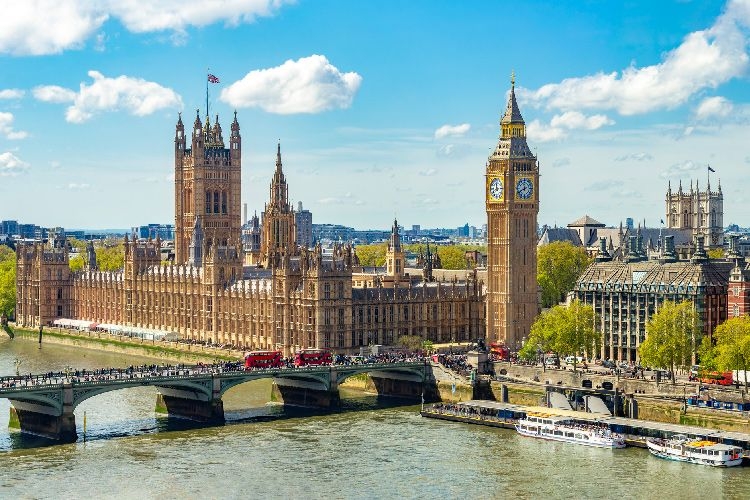
The best time to visit Europe: a month-by-month guide
From winter skiing and carnival season to spring blossoms, summer festivals, and autumn harvest trips, the best time to visit Europe depends on what you want to do.
Use our month-by-month guide to plan around the continent’s top seasonal experiences, events, and attractions.
Europe in January
January is one of the quietest months to visit Europe, making it a good time for winter city breaks, museum-heavy itineraries, and alpine escapes. It is especially strong for ski resorts in the Alps, while cities such as Vienna, Prague, and Paris feel calmer after New Year. A standout event is Up Helly Aa in Lerwick, Shetland, held on the last Tuesday in January, bringing torchlit processions and Viking-themed celebrations to the month.
Weather in Europe in January
Cold across northern and central Europe, snowy in the Alps, and milder around the Mediterranean.
Europe in February
February is a strong month for winter culture and romantic trips, especially if you’re craving an ambient atmosphere without peak spring and summer crowds. Ski resorts remain busy, while major cities are good for galleries, cafés, and theater. The headline event is Venice Carnival, which returns each February and fills the city with masks, parades, and theatrical celebrations.
Weather in Europe in February
Still wintry in much of northern and central Europe, with milder but often damp weather in southern cities and coastal areas.
Europe in March
March marks the start of spring in many parts of Europe, with longer days, blossom beginning to appear, and shoulder-season prices in many destinations. It is a good time for city breaks in Lisbon, Amsterdam, and Seville, as well as early countryside trips in southern Europe. A major seasonal highlight is Las Fallas in Valencia, which runs from 1 to 19 March and brings fireworks, street celebrations, and giant satirical sculptures to the city.
Weather in Europe in March
Cool and changeable in much of the continent, but noticeably milder in southern Europe and increasingly spring-like by late month.
Europe in April
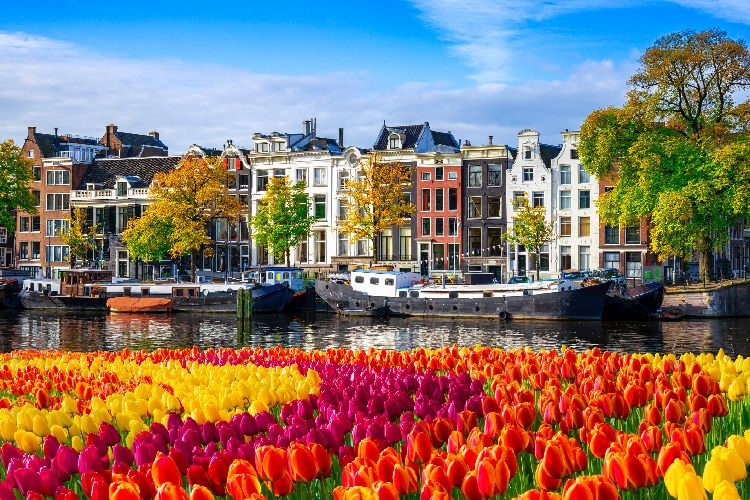
April is one of the best times to visit Europe for spring sightseeing. Tulip fields in the Netherlands begin to bloom as well as city parks and gardens across Europe. Cities such as Rome, Paris, and Athens feel more open-air and major attractions are easier to explore than in midsummer. A standout event is King’s Day in the Netherlands on 27 April, when Amsterdam in particular turns into one of Europe’s liveliest street parties.
Weather in Europe in April
Mild in southern Europe, fresher in the north, and generally good for walking, café terraces, and outdoor sightseeing.
Europe in May
May is one of the strongest months in the calendar and one of the best months to visit Europe overall. It is ideal for city breaks, scenic rail journeys, countryside escapes, and early Mediterranean trips before the peak summer rush begins. A major seasonal highlight is the RHS Chelsea Flower Show in London each May, one of Europe’s best-known spring events.
Weather in Europe in May
Pleasant and warmer across much of the continent, with southern Europe already edging toward early-summer conditions.
Europe in June
June brings long days, warm weather, and the start of Europe’s summer travel season without the full pressure of July and August crowds. It is a great month for the Greek Islands, the Algarve, Provence, and Croatia, as well as for hiking and lake trips in central Europe. A standout seasonal celebration is Swedish Midsummer, one of Sweden’s most important annual feasts, held in late June with dancing, maypoles, and outdoor celebrations.
Weather in Europe in June
Warm and bright in most regions, with long daylight hours and generally comfortable conditions for coast, countryside, and city travel.
Europe in July
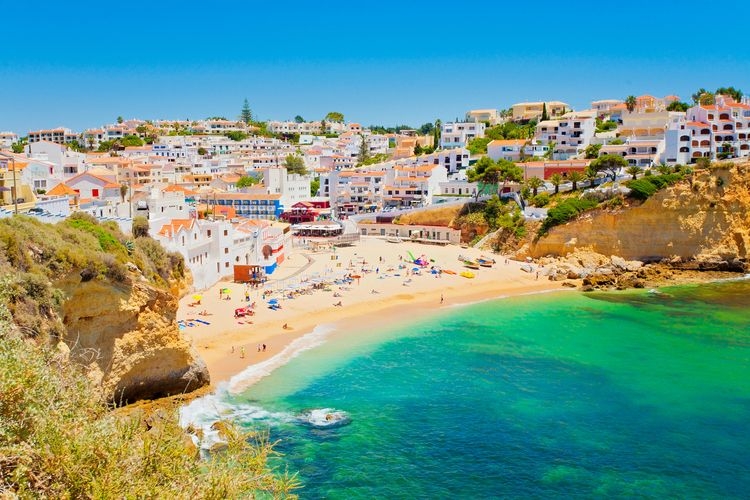
July is peak summer in Europe and one of the busiest times to visit. It is best for travelers who want beaches, island-hopping, festivals, and long outdoor evenings, though major cities can be hot and crowded. A headline event is San Fermín in Pamplona, which begins on 6 July and includes the famous Running of the Bulls through 14 July.
Weather in Europe in July
Hot around the Mediterranean, warm in central Europe, and milder in northern Europe and alpine regions.
Europe in August
August keeps Europe in high season, with busy beaches, packed festivals, and warm sea temperatures across the Mediterranean. It is strongest for island destinations, coastal Italy, the south of France, Spain, and Greece. A standout monthly event is the Edinburgh Festival Fringe, which runs throughout August and transforms the city into one of Europe’s biggest arts destinations.
Weather in Europe in August
Very warm in southern Europe, hot in many inland areas, and generally milder in the north and at higher elevations.
Europe in September
September is one of the best times to visit Europe, with warm weather lingering in the south, fewer crowds than midsummer, and excellent conditions for food, wine, and road trips. It is especially strong for Italy, Portugal, Greece, France, and Croatia. One of the biggest seasonal draws is Oktoberfest, which begins in September in Munich and runs into early October.
Weather in Europe in September
Warm and comfortable in much of southern and western Europe, with cooler nights and early autumn light in central and northern regions.
Europe in October
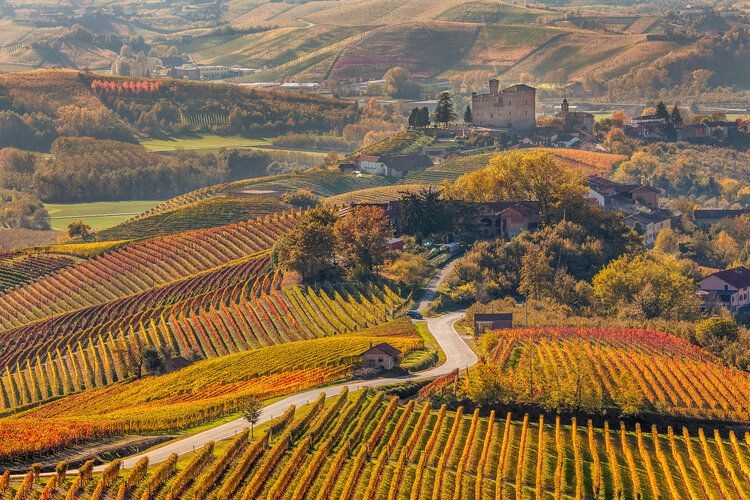
October is one of Europe’s best shoulder-season months, especially for city breaks, wine regions, autumn landscapes, and culture-focused trips. Tuscany, Bavaria, Prague, and Paris all work especially well at this time of year. Seasonal highlights include the final stretch of Oktoberfest in early October and the Montmartre Grape Harvest Festival in Paris each October.
Weather in Europe in October
Cooler and more autumnal, with comfortable sightseeing conditions in the south and a sharper drop in temperatures farther north.
Europe in November
November is one of the quietest and most budget-friendly months to visit Europe. It suits travelers who want museums, food-focused trips, and slower city breaks before the December rush. Vienna, Budapest, and Athens are especially good at this time of year. A key seasonal shift is the opening of Vienna’s Christmas markets from mid-November, which marks the start of Europe’s festive travel season.
Weather in Europe in November
Cool, shorter-day conditions across most of the continent, with milder weather still possible around the Mediterranean.
Europe in December
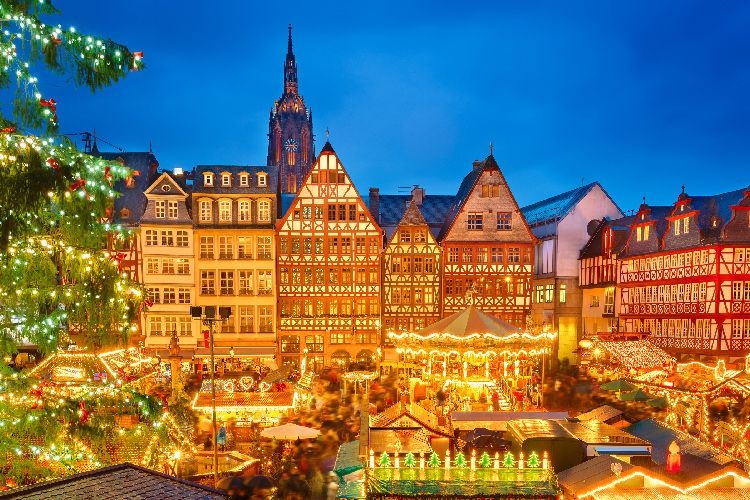
December transforms Europe into one of the world’s best festive travel destinations, with Christmas markets, illuminated old towns, alpine ski openings, and end-of-year city breaks. Vienna, Munich, Strasbourg, Prague, and London are especially strong choices. A standout month-end event is Edinburgh’s Hogmanay, which brings a multi-day New Year celebration to the city in late December.
Weather in Europe in December
Cold and festive across much of the continent, snowy in ski regions, and milder but still cool around southern coastal areas.
Where to stay in Europe
For classic city travel, London is one of the strongest all-round bases. Lake Como works well for scenic northern Italy stays, while Mykonos, Cyprus, Lanzarote, the Algarve, and the Dalmatian Coast are strong for sunshine and beach-led trips. If skiing is your priority, the French Alps are one of the clearest winter standouts.
Popular Villas in Europe