Things To Do In Mammoth Lakes
Discover the best things to do in Mammoth Lakes, including skiing, hiking, lakes, scenic trails, mountain biking and year-round outdoor adventures.

Things to do near Mammoth Lakes, California
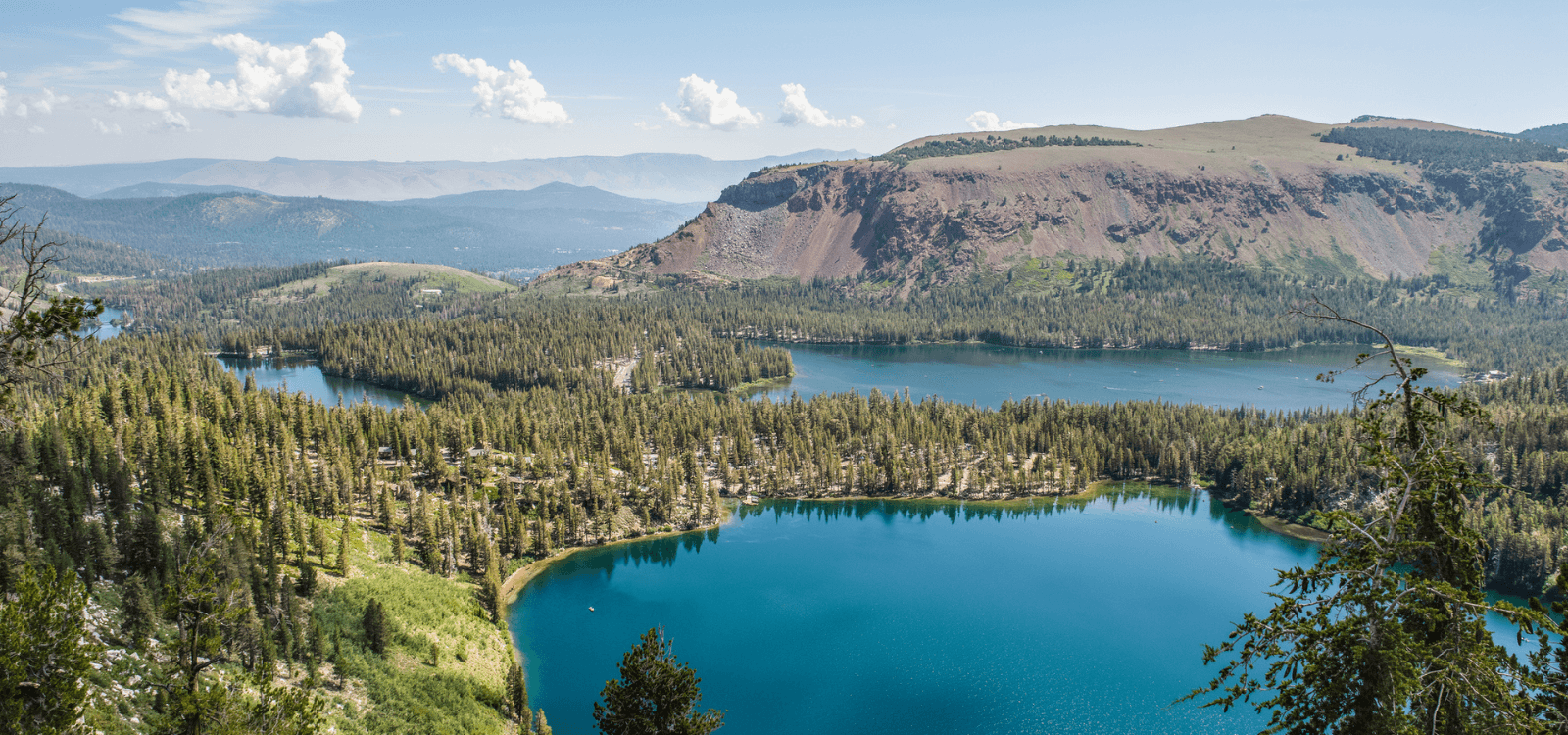
Mammoth Lakes is one of California's best year-round mountain destinations, surrounded by alpine lakes, forests, volcanic landscapes and the dramatic peaks of the Eastern Sierra. Winter brings skiing, snowboarding and snowshoeing, while the warmer months open up hiking trails, mountain-bike routes, fishing spots and some of the most scenic drives in California.
Mammoth Mountain naturally dominates many trips, but there is much more to explore away from the ski slopes. You can hike to waterfalls, paddle across mountain lakes, ride a gondola to more than 11,000 feet, soak in nearby hot springs and take day trips to places such as Mono Lake, Devils Postpile National Monument and Yosemite.
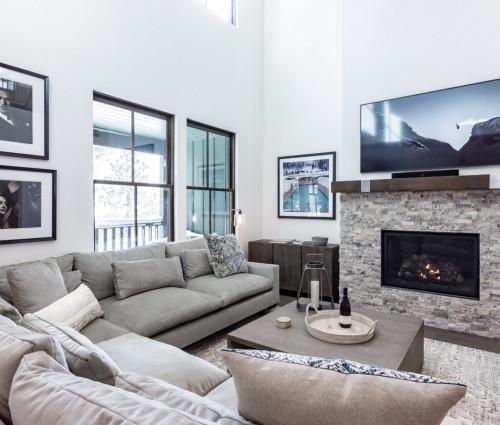
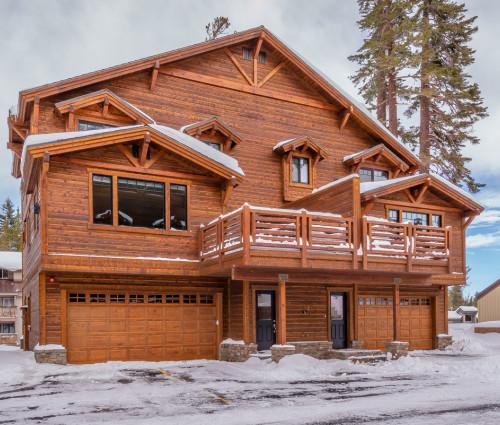
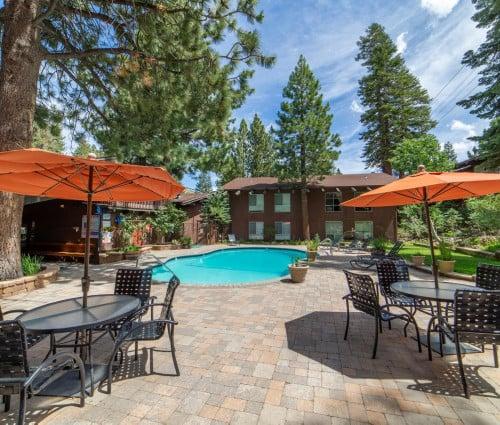
Our Mammoth Lakes vacation rentals provide a convenient base for ski trips, family adventures and summer escapes, with access to the mountain, lakes and trails that make this part of California so distinctive.
Popular vacation rentals near best things to do in Mammoth Lakes
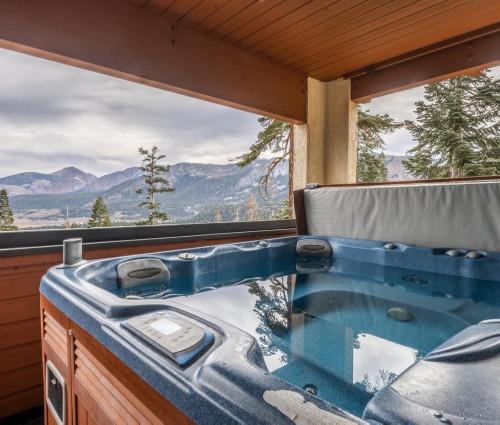
Best things to do in Mammoth Lakes in winter
1. Ski or snowboard at Mammoth Mountain
Location / Neighborhood: Mammoth Mountain
Best For: Skiers, snowboarders, families and groups
Estimated Time Needed: Half day to full day
Cost / Entry: Lift ticket or pass required
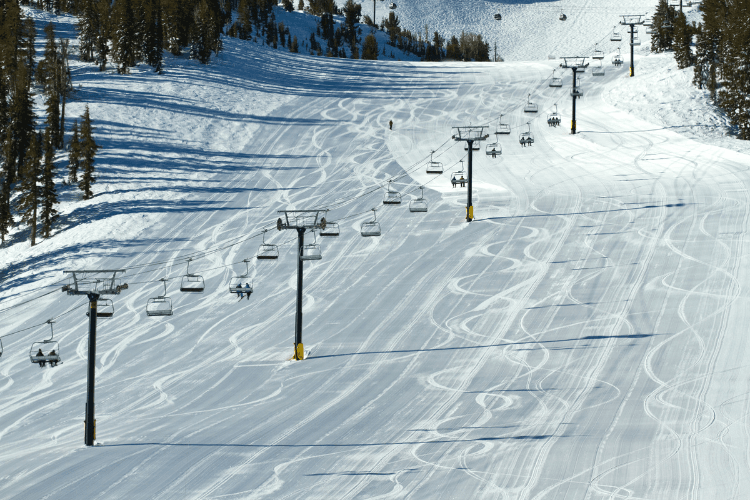
Mammoth Mountain is the headline winter attraction and the main reason many visitors travel to Mammoth Lakes. The large ski area provides terrain for different ability levels, from beginner areas and wide cruising runs to steeper slopes and advanced mountain terrain.
For a longer ski trip, the size of the mountain means you can spend several days exploring different areas rather than repeating the same handful of runs. Lessons and equipment rental are also widely available, making the resort accessible to first-time skiers as well as experienced visitors.
Conditions and lift operations can change throughout the season, so check the mountain report each morning before deciding where to ski.
Insider tip: Start early if you are visiting over a weekend or holiday period, when popular lifts and base areas become considerably busier.
2. Go snowshoeing through the Eastern Sierra
Location / Neighborhood: Mammoth Lakes trails and surrounding forest
Best For: Non-skiers, couples, families and nature lovers
Estimated Time Needed: 1–3 hours
Cost / Entry: Usually free with your own equipment; rentals and tours extra
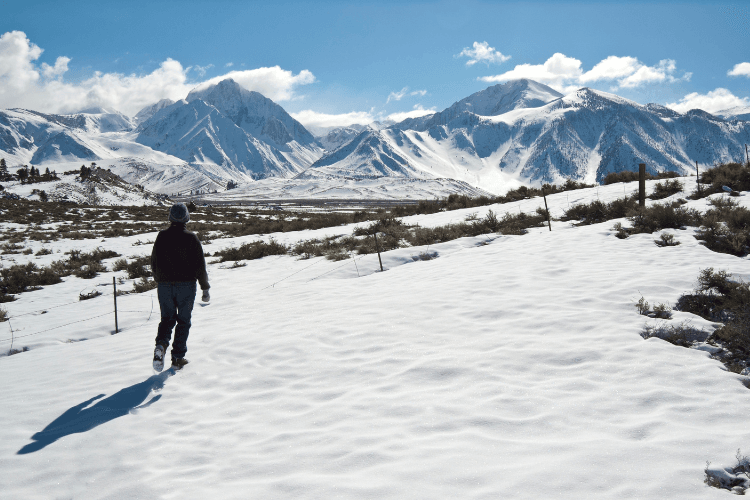
Snowshoeing is one of the easiest ways to experience Mammoth Lakes in winter without spending the day on ski lifts.
Snow-covered forest trails and quieter routes around the surrounding area allow visitors to explore the landscape at a much slower pace, with views of mountains, frozen lakes and pine forest replacing the activity of the main ski slopes.
Beginners can stick to shorter, well-used routes, while experienced visitors have access to more demanding backcountry terrain. Conditions can change rapidly, so it is important to choose a route appropriate to your experience and check current weather and trail information before setting off.
Insider tip: For a first snowshoe outing, choose a shorter marked route rather than heading straight into backcountry terrain.
3. Try cross-country skiing
Location / Neighborhood: Mammoth Lakes and surrounding Nordic trails
Best For: Active travellers and non-downhill skiers
Estimated Time Needed: 2–4 hours
Cost / Entry: Trail or equipment fees may apply
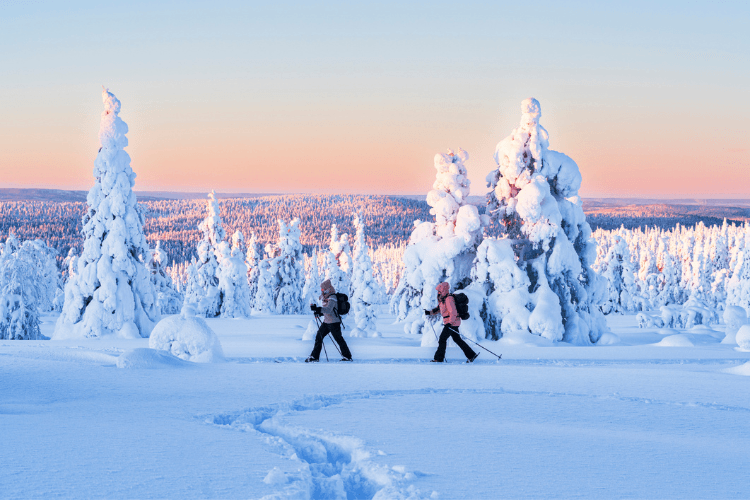
Cross-country skiing provides a quieter alternative to downhill skiing and allows you to explore snowy forest landscapes without relying on chairlifts.
The activity is more physically demanding than it initially appears, but beginner-friendly routes make it accessible even if you have never tried Nordic skiing before. More experienced skiers can cover much greater distances and turn the outing into a substantial workout.
It is particularly good for mixed winter trips where you want several days in the snow but do not necessarily want to spend every day skiing Mammoth Mountain.
Insider tip: Start with a short session if you are new to Nordic skiing. The technique uses muscles differently from downhill skiing.
4. Go tubing or ride the Mountain Coaster
Location / Neighborhood: Woolly's Adventure Summit
Best For: Families, teenagers and groups
Estimated Time Needed: 1–3 hours
Cost / Entry: Paid activity
Woolly's Adventure Summit adds a more playful alternative to skiing. Mammoth Mountain operates tubing alongside its Mountain Coaster and other adventure activities, making this a particularly useful stop for families or groups with different levels of skiing experience.
The Mountain Coaster covers 5,455 feet and can reach speeds of up to 25 mph, while the tubing lanes run for more than 500 feet. These activities are also offered during the summer season, depending on weather and operating dates. Mammoth Mountain
Because sessions can become busy, especially on weekends, booking ahead is sensible.
Insider tip: Check activity restrictions before promising younger children a particular ride, as minimum height and age requirements vary.
Best summer things to do in Mammoth Lakes
5. Ride the Panorama Gondola
Location / Neighborhood: Mammoth Mountain Main Lodge
Best For: Families, couples, views and non-hikers
Estimated Time Needed: 1–2 hours
Cost / Entry: Gondola ticket required
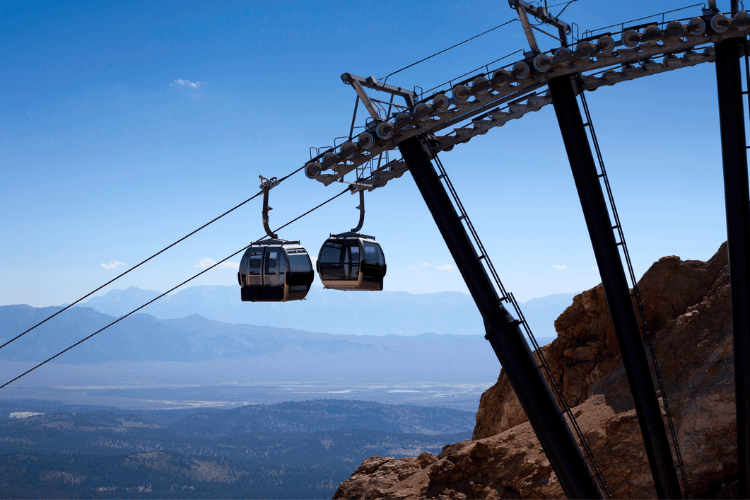
The Panorama Gondola is one of the easiest ways to experience Mammoth Mountain without skiing or tackling a demanding hike.
The ride climbs to the summit at 11,053 feet, opening up wide views across the Eastern Sierra and surrounding lakes. At the top, visitors can explore the Eleven53 Interpretive Center, stop for food and learn more about the geology and natural history of the area.
You can simply ride up and down, or use the summit as the starting point for a summer hike. Weather can change quickly at this elevation, even when conditions in town are warm.
Insider tip: Bring an extra layer. Temperatures at the summit can be significantly cooler than in Mammoth Lakes.
6. Mountain bike at Mammoth Bike Park
Location / Neighborhood: Mammoth Mountain
Best For: Mountain bikers and active families with older children
Estimated Time Needed: Half day to full day
Cost / Entry: Bike park ticket and equipment hire may apply
Once the snow clears, Mammoth Mountain becomes a major mountain-biking destination. The bike park includes lift-accessed trails and routes suited to different experience levels, with beginner areas designed to help newer riders develop confidence before progressing onto more technical terrain. More experienced riders can explore longer downhill routes and challenging mountain trails.
Bike rentals are available locally, so visitors do not necessarily need to travel with their own equipment. Mammoth Mountain also operates dedicated beginner and progression areas within the park.
Insider tip: If you have never ridden downhill trails before, book a lesson or start in the Discovery Zone rather than immediately tackling advanced routes.
7. Explore the Mammoth Lakes Basin
Location / Neighborhood: Mammoth Lakes Basin
Best For: Families, hiking, paddling, fishing and scenery
Estimated Time Needed: Half day to full day
Cost / Entry: Free; rentals may cost extra
The Mammoth Lakes Basin is one of the best places to spend a summer day because several alpine lakes, trails and recreation areas sit close together.
Lake Mary, Lake Mamie, Twin Lakes and Horseshoe Lake all provide slightly different settings, making it easy to combine hiking, picnicking, fishing or time beside the water without committing to a major expedition.
Kayaks and paddleboards can be used on selected lakes, while surrounding trails range from gentle walks to routes heading farther into the mountains. Because the basin offers so many options in one relatively compact area, it works particularly well for families or groups where everyone wants to do something slightly different.
Insider tip: Arrive earlier in summer when parking around the most popular lakes is easier to find.
8. Paddle or kayak on an alpine lake
Location / Neighborhood: Mammoth Lakes Basin
Best For: Couples, families and relaxed outdoor days
Estimated Time Needed: 1–3 hours
Cost / Entry: Free with your own equipment; rentals extra
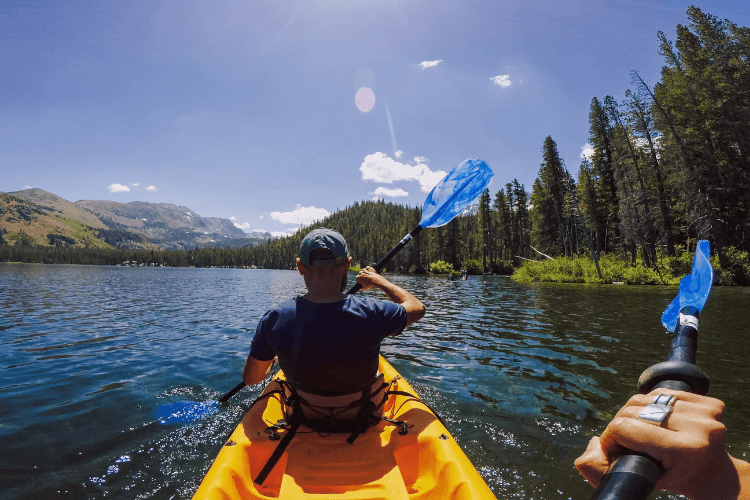
Paddling across one of Mammoth Lakes' alpine lakes is a slower alternative to hiking or mountain biking and gives visitors a completely different view of the surrounding forest and mountains. Calmer mornings are often ideal because winds can increase later in the day.
Lakes within the Mammoth Lakes Basin provide some of the most accessible options, with nearby parking and other recreation opportunities making it easy to combine a paddle with a picnic or short walk.
Even a short outing can feel surprisingly peaceful when you move away from the shoreline.
Insider tip: Go earlier in the morning when the water is often calmer and mountain reflections can be at their best.
9. Go fishing around Mammoth Lakes
Location / Neighborhood: Mammoth Lakes Basin and surrounding waters
Best For: Anglers, families and quieter days outdoors
Estimated Time Needed: 2 hours to full day
Cost / Entry: California fishing licence and relevant permits may be required
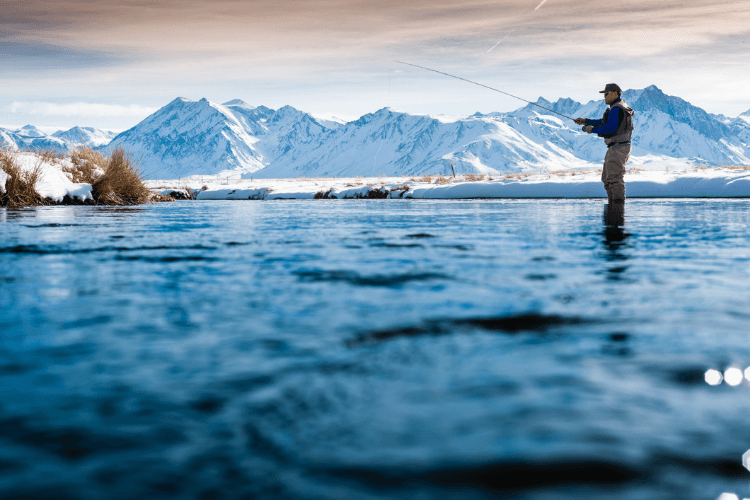
Fishing is one of Mammoth Lakes' classic warm-weather activities, with lakes, streams and rivers throughout the Eastern Sierra providing opportunities for trout fishing.
The Mammoth Lakes Basin offers several accessible spots, while visitors willing to explore farther can reach numerous other waters around Mono County. The area is associated with rainbow, brown and other trout species.
Fishing regulations and seasons vary by waterway, so it is important to check current California and local rules before heading out.
Insider tip: If you are new to the area, a local guide can save a lot of time compared with choosing a fishing spot at random.
Best natural attractions near Mammoth Lakes
10. Explore Devils Postpile National Monument
Location / Neighborhood: Reds Meadow Valley
Best For: Hiking, geology, families and photography
Estimated Time Needed: Half day
Cost / Entry: Monument entry is free; shuttle or transport fees may apply
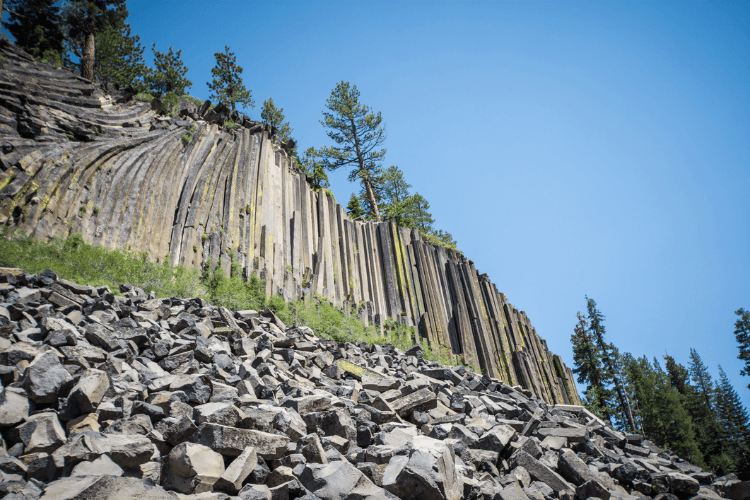
Devils Postpile is one of the most unusual geological attractions in the Eastern Sierra. The formation consists of tightly packed basalt columns rising up to around 60 feet, created by cooling lava and later exposed and polished by glacial activity.
A relatively short walk from the ranger station leads to the base of the formation, while continuing to the top provides a fascinating view of the hexagonal column pattern.
The monument is generally a summer and early-fall attraction because winter snow closes normal road access.
Important for 2026: Reds Meadow Road is undergoing reconstruction and access is restricted on certain days, so visitors should check current NPS information before travelling. National Park Service
Insider tip: Combine Devils Postpile with Rainbow Falls rather than making two separate trips into Reds Meadow Valley.
11. Hike to Rainbow Falls
Location / Neighborhood: Devils Postpile National Monument / Reds Meadow Valley
Best For: Hiking, waterfalls and photography
Estimated Time Needed: 2–4 hours
Cost / Entry: Shuttle or transport fees may apply
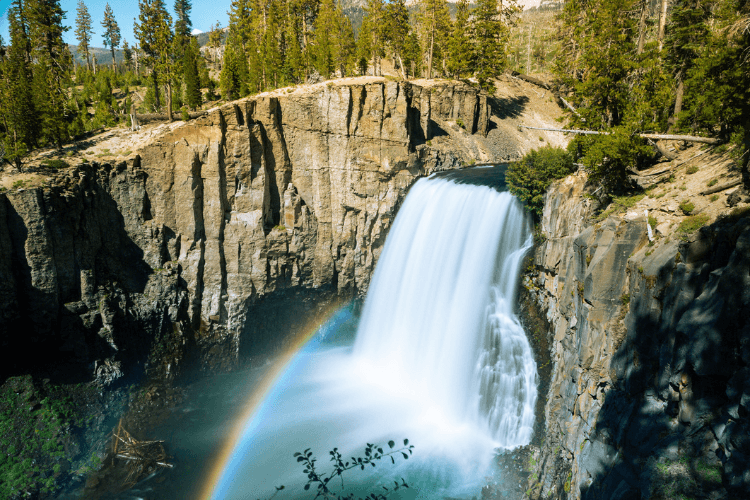
Rainbow Falls is one of the most impressive waterfalls around Mammoth Lakes, dropping 101 feet along the Middle Fork of the San Joaquin River.
The falls get their name from the rainbows that can appear in the mist when sunlight hits the spray at the right angle. The trail from Devils Postpile Ranger Station is around 2.5 miles according to the National Park Service, with limited shade along sections of the route.
Because the trail can become hot and exposed in summer, carrying plenty of water is essential.
Insider tip: Midday sunlight can produce the strongest rainbow effect, but that also means hotter walking conditions, so balance photography with comfort.
12. Walk around Convict Lake
Location / Neighborhood: South of Mammoth Lakes
Best For: Families, photographers, couples and easy walking
Estimated Time Needed: 1–3 hours
Cost / Entry: Free
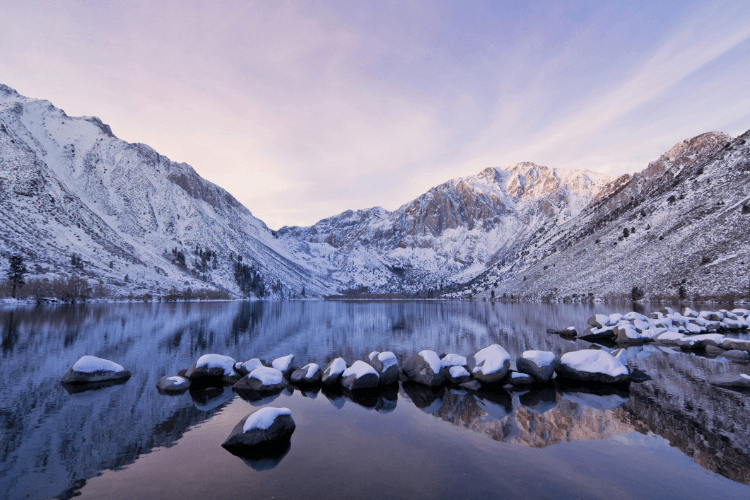
Convict Lake is one of the most photogenic locations near Mammoth Lakes, surrounded by steep mountain scenery that reflects dramatically in the water on calm days.
The lake works well for visitors who want a scenic outdoor experience without committing to a strenuous high-altitude hike. Walking trails follow sections of the shoreline, while fishing and paddling are also popular depending on conditions.
Autumn can be especially attractive when the surrounding foliage begins to change colour, but the lake is worth visiting throughout the warmer months.
Insider tip: Go early in the morning for calmer water and the best chance of seeing clear mountain reflections.
13. See the geothermal landscape at Hot Creek
Location / Neighborhood: Hot Creek Geological Site
Best For: Geology, photography and short scenic stops
Estimated Time Needed: 1–2 hours
Cost / Entry: Free
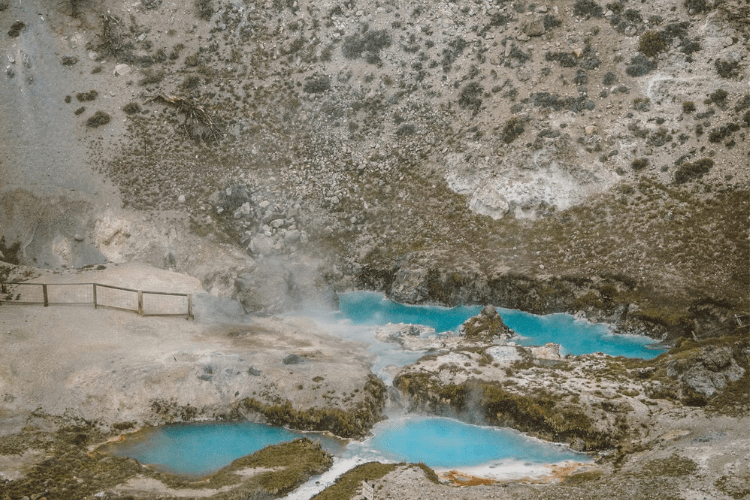
Hot Creek provides a striking reminder that the Mammoth Lakes region is still geologically active. Bright blue pools, steam vents and geothermal features sit within a canyon framed by the Eastern Sierra, creating a landscape that looks very different from the nearby alpine lakes.
The site is designed for viewing rather than bathing. Water temperatures and geothermal activity can change unexpectedly, so visitors should remain on designated paths and follow all safety signs. Because the main viewpoints do not require an all-day hike, Hot Creek is easy to combine with other stops around the region.
Insider tip: Treat this as a sightseeing stop, not a hot-spring soak. Swimming in the geothermal creek is unsafe and prohibited.
14. Soak in a natural hot spring near Mammoth Lakes
Location / Neighborhood: Eastern Sierra near Mammoth Lakes
Best For: Couples, relaxation and scenic drives
Estimated Time Needed: 1–2 hours
Cost / Entry: Many natural locations are free
The volcanic geology around Mammoth Lakes has created several natural hot-spring areas beyond the town itself.
A warm soak surrounded by wide Eastern Sierra scenery can be particularly appealing after a long day of hiking, skiing or mountain biking. Some springs are relatively easy to reach, while others involve dirt-road access or short walks.
Conditions vary significantly, and these are natural environments rather than controlled spa pools. Water temperature, road access and cleanliness can all change.
Insider tip: Research current conditions before setting out and avoid entering any pool if the water temperature appears unsafe.
15. Explore Mono Lake
Location / Neighborhood: Near Lee Vining
Best For: Photography, geology and scenic day trips
Estimated Time Needed: 2–4 hours
Cost / Entry: Some areas may charge parking or access fees
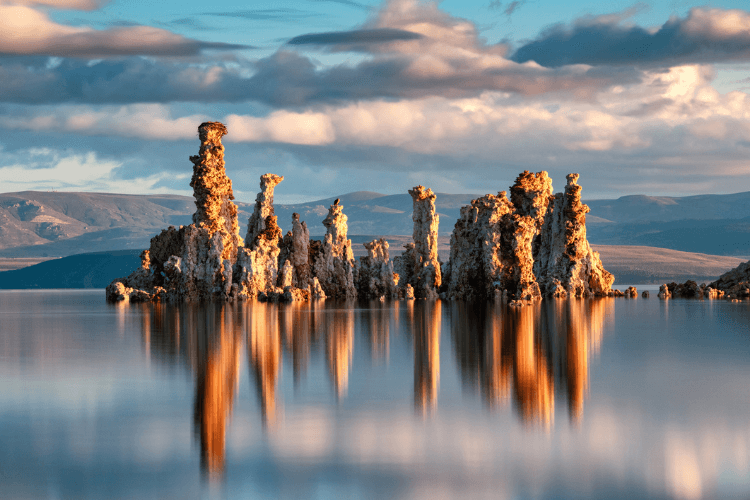
Mono Lake is one of the most unusual landscapes within easy reach of Mammoth Lakes. The saline lake is famous for its tufa towers, strange limestone formations created through interactions between freshwater springs and the highly mineralised lake water. These formations make the shoreline feel completely different from the forested alpine lakes around Mammoth.
The lake also plays an important ecological role, particularly for migratory birds, making it interesting for both photographers and nature-focused visitors.
Insider tip: Combine Mono Lake with Lee Vining or a Tioga Pass drive rather than making it the only stop of the day.
Unique and family things to do in Mammoth Lakes
16. Spend a day at Woolly's Adventure Summit
Location / Neighborhood: Minaret Road
Best For: Families, children, teenagers and groups
Estimated Time Needed: Half day
Cost / Entry: Paid activities
Woolly's Adventure Summit provides a collection of family-friendly activities for days when you want something different from hiking or skiing.
Depending on the season, attractions can include the Mountain Coaster, tubing, ropes courses, a climbing wall, zip line, bungee trampoline and other activities. Mammoth Mountain's 2026 Adventure Pass also includes several of these experiences together.
The variety is particularly useful for families with children of different ages because everyone does not have to participate in the same activity.
Insider tip: Check individual height and weight restrictions before buying passes, especially if you are visiting with younger children.
17. Take a scenic drive along US Highway 395
Location / Neighborhood: Eastern Sierra
Best For: Road trips, photography and relaxed sightseeing
Estimated Time Needed: Half day to full day
Cost / Entry: Free apart from fuel
US Highway 395 is more than simply the road used to reach Mammoth Lakes. It runs through some of the Eastern Sierra's most impressive scenery, with mountain views, volcanic landscapes, lakes and small communities creating numerous reasons to stop.
A relaxed drive can incorporate Convict Lake, Hot Creek, Mono Lake and other viewpoints without requiring a major hike.
It is particularly useful on a rest day when everyone wants to see more of the region but tired legs make another long mountain trail less appealing.
Insider tip: Avoid trying to cover an enormous distance. Pick three or four stops and leave time to actually enjoy them.
18. Take a day trip towards Yosemite National Park
Location / Neighborhood: Yosemite via Tioga Pass when seasonally open
Best For: Scenic drives, hiking and longer stays
Estimated Time Needed: Full day
Cost / Entry: National park admission
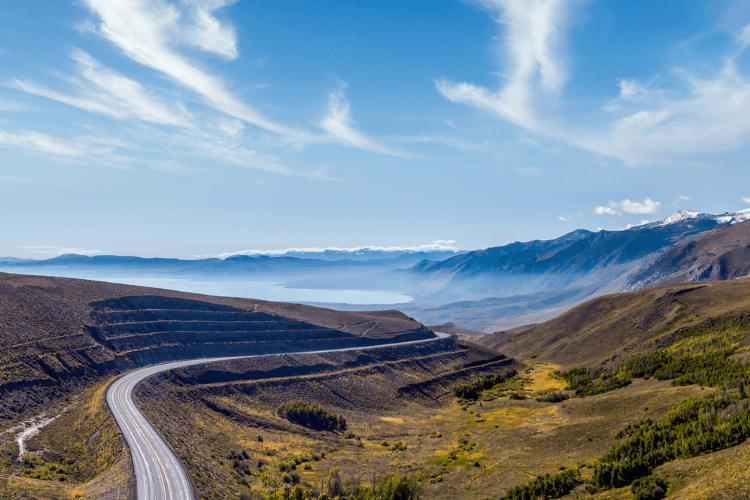
Mammoth Lakes can serve as a base for a longer excursion towards Yosemite when seasonal road conditions allow access across Tioga Pass.
The route itself is one of the highlights, climbing through dramatic high-country scenery before entering Yosemite's eastern side. Depending on how far you travel, you can visit viewpoints, lakes and trailheads rather than trying to cover the whole national park in one day.
Tioga Pass is seasonal and usually closes because of snow during the colder part of the year, so this should never be treated as a guaranteed year-round excursion. Visit Mammoth lists Yosemite and Tioga Pass among the major sightseeing trips accessible from the area. Visit Mammoth
Insider tip: Check current road status before leaving Mammoth Lakes. A Yosemite day trip only makes sense when Tioga Pass is fully open.
Seasonal events in Mammoth Lakes
Mammoth Lakes Film Festival
The Mammoth Lakes Film Festival brings independent feature films, documentaries, short films and filmmaker events to Mammoth Lakes.
The 2026 programme included screenings, Q&A sessions and festival events, making this a useful seasonal addition for visitors who want something beyond outdoor activities. MLFF
If your stay overlaps with the festival, check screening times before arrival because the most interesting sessions can shape the rest of your itinerary.
Mammoth Festival of Beers & Bluesapalooza
The Mammoth Festival of Beers & Bluesapalooza is one of the better-known summer events in Mammoth Lakes, combining live music with craft beer in the mountain setting.
It works particularly well for adult groups planning a summer weekend around outdoor activities during the day and entertainment in the evening.
Mammoth Trailfest
Mammoth Trailfest celebrates trail running and Mammoth's high-altitude landscape, with races and related events taking place around the area.
Mammoth Mountain's 2026 schedule included special Panorama Gondola operation for Trailfest from September 25–27, showing how the event extends onto the mountain itself. Mammoth Mountain
Summer events at Mammoth Mountain
Mammoth Mountain hosts a changing programme of summer activities and events beyond its regular bike park and gondola operations.
Checking the mountain events calendar before travelling can reveal live music, family activities and special mountain events that are easy to add to an existing stay.
Plan your Mammoth Lakes trip
Popular vacation rentals near best things to do in Mammoth Lakes