The best time to visit Montana: a month-by-month guide
Best time to visit Montana is June to September for hiking and national parks; December to March is best for skiing, with September for fall colours.
When is the best time to visit Montana: a month-by-month guide
With its majestic Rocky Mountains, vast plains, pristine lakes, and outdoor adventure opportunities, Montana offers an unforgettable mix of nature, culture, and relaxation. But what’s the ideal time to explore Big Sky Country?
For most travelers, the best time to visit Montana is from late May to September, when the weather is mild, days are long, and the landscape is at its most vibrant. This is the perfect season for hiking in Glacier National Park, fishing in crystal-clear rivers, exploring charming towns like Missoula and Bozeman, or spotting wildlife in Yellowstone and other national forests. Summer also brings festivals, outdoor concerts, and scenic drives, making it ideal for both adventure seekers and those who just want to soak in the scenery.
Still, Montana is far more than mountains and wide-open spaces. Venture off the beaten path and you’ll find historic mining towns, Native American heritage sites, and unique cultural experiences like rodeos and local artisan markets. Every season brings something different, from vibrant fall foliage to winter skiing in Big Sky and Whitefish.
Because Montana’s attractions, weather, and travel costs vary throughout the year, the “best” time really depends on the type of trip you’re planning. Below is our month-by-month guide to Montana’s climate and highlights to help you plan your perfect visit.
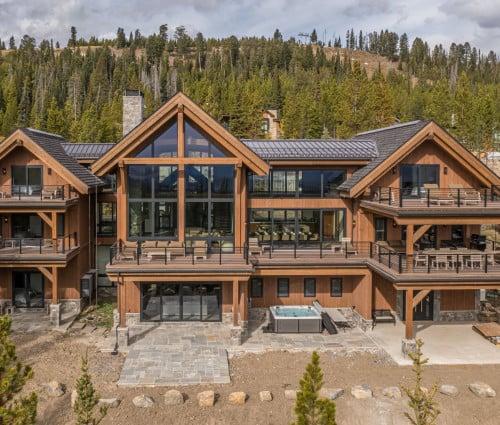
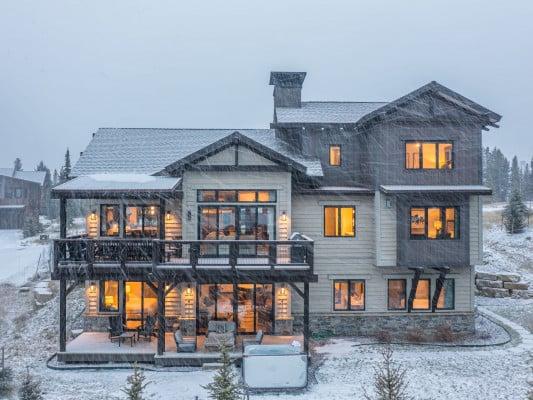
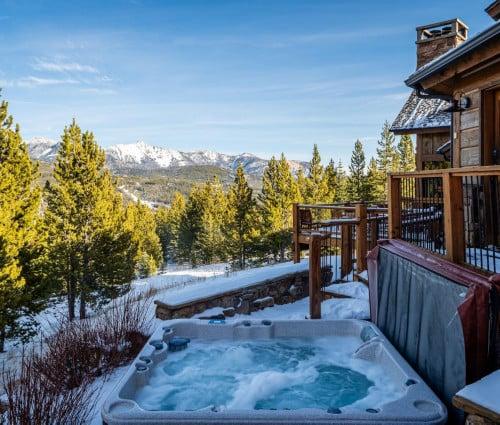
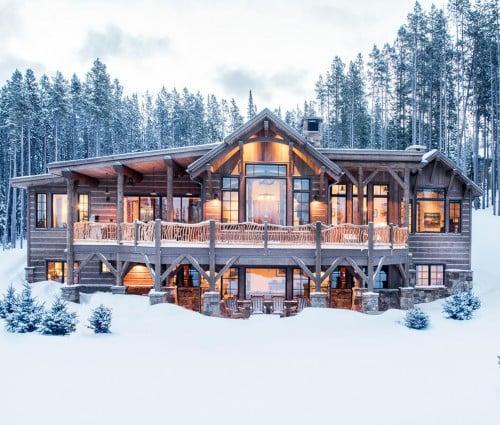
Discover Montana vacation rentals
Montana in January
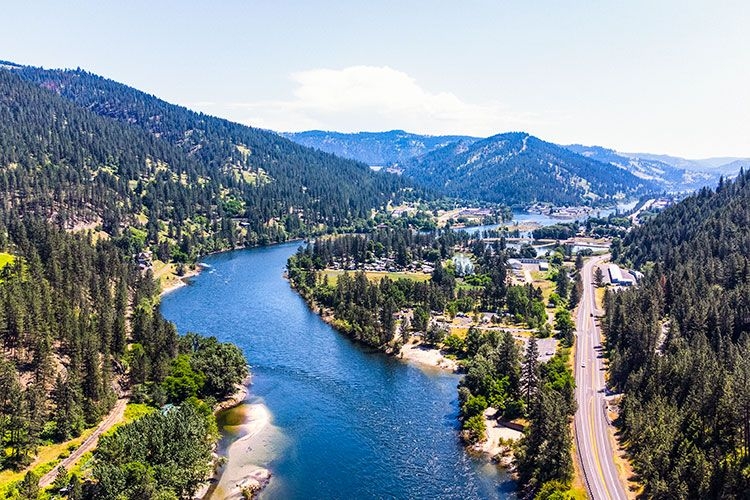
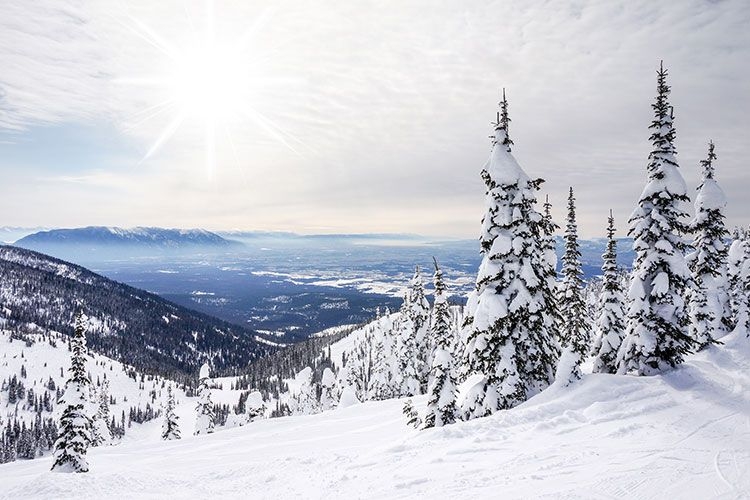
January is one of the most atmospheric months to visit Montana, especially if you’re drawn to snow-covered landscapes, winter sports, and quiet wilderness. This is peak winter, and the state transforms into a postcard of frosted pines, frozen rivers, and vast, peaceful valleys. It’s an ideal time for travelers seeking crisp mountain air, crowd-free national parks, and the kind of winter beauty only the Northern Rockies can offer.
Ski destinations like Big Sky, Whitefish, and Bridger Bowl are in full swing, offering excellent powder conditions, lively lodge atmospheres, and plenty of terrain for both beginners and expert skiers. Beyond skiing, January is perfect for snowshoeing, dogsledding, snowmobiling in West Yellowstone, or taking scenic sleigh rides through snowy ranch country.
It’s also a magical month to experience Montana’s wildlife. Yellowstone’s winter season brings striking visibility, with bison, elk, wolves, and foxes easy to spot against the snow-blanketed backdrop. Though many park roads close to regular traffic, guided snowcoach and snowmobile tours offer rare opportunities to experience the park’s geothermal wonders steaming in the cold air.
While January falls within Montana’s peak winter season, the vibe remains calm and unhurried, especially in small towns and gateway communities. Expect crackling fires, cozy cafés, and plenty of chances to experience Montana’s warm hospitality amid its coldest, most beautiful weather.
Weather in January
Temperature: 5–30°F (–15 to –1°C), colder in the mountains and eastern plains.
Sunshine: Crisp, bright winter days with long, cold nights.
Snowfall: Frequent snow across the state, with deep accumulation in mountain regions.
Landscape & Wildlife:
Pristine winter scenery ideal for skiing, snowshoeing, and photography.
Excellent wildlife viewing, particularly wolves and bison in Yellowstone.
Frozen lakes and rivers create stunning, serene winter vistas.
Montana in February
February is a beautiful, and often underrated, time to visit Montana. The heart of winter still holds strong, but days begin to grow slightly longer, giving visitors more daylight to enjoy the snow-covered landscapes. While temperatures remain cold, the month offers some of the most consistent snow conditions of the season, making it a favourite for skiing, snowboarding, and winter photography. Despite steady tourism around ski resorts, much of the state remains peaceful, offering travellers a quiet and authentic Montana winter experience.
This is an excellent month for outdoor adventures. Ski areas like Big Sky Resort, Whitefish Mountain Resort, and Bridger Bowl are in peak form, with deep, dependable powder. Nordic skiing, snowshoeing, and fat biking are widely accessible in communities like Bozeman, West Yellowstone, and Missoula. Yellowstone National Park continues its special winter operations, offering snowcoach and guided snowmobile tours through breathtaking, steamy geothermal valleys, experiences only available in winter and often considered among the best things to do in Montana at this time of year.
February is also ideal for wildlife viewing, especially near Yellowstone’s Northern Range. Wolves, bison, elk, and foxes are highly active this time of year, and their tracks and movements are easier to spot against the white terrain. Small towns host cozy winter events, from local brew fests to ice-fishing tournaments, giving visitors a friendly, down-to-earth look at Montana life during its coldest season.
While February sits within Montana’s winter high season, it rarely feels crowded outside major ski towns. Travelers can still find excellent deals on lodging in rural areas, and the combination of crisp weather, quiet wilderness, and world-class scenery makes February one of the most rewarding winter months to explore the state.
Weather in February
Temperature: 10–35°F (–12 to 2°C), colder in mountain areas and on the eastern plains. Sunshine: Clear, bright days with slowly lengthening daylight hours. Snowfall: Frequent, steady snowfall with deep snowpack ideal for skiing and winter sports.
Landscape & Wildlife:
Pristine winter scenery with excellent powder conditions.
Strong wildlife activity, especially in and around Yellowstone.
Montana in March
March is a transitional and highly rewarding time to visit Montana. Winter still holds on in many regions, but days grow longer, the sun feels warmer, and the state begins shifting toward early spring. Snow conditions remain excellent in higher elevations, while valleys slowly start to thaw. It’s a great month for travelers who want a mix of late-winter scenery and early-spring calm before the busier travel season begins.
March is ideal for exploring both the mountains and the plains. Ski areas such as Big Sky Resort, Whitefish Mountain Resort, and Bridger Bowl typically maintain strong snowpack, offering extended opportunities for skiing and snowboarding. Lower-elevation areas around Bozeman, Missoula, and the Bitterroot Valley become more accessible, making it a comfortable time to enjoy scenic drives, early-season hikes, or peaceful nature walks. Yellowstone’s Northern Range is especially beautiful this month, offering stark, snowy landscapes and some of the best things to do for wildlife enthusiasts.
Nature lovers will find March especially rewarding. Snow starts to recede in the valleys, revealing early hints of green and drawing wildlife closer to open meadows. Bison, elk, pronghorn, and wolves remain highly visible in and around Yellowstone, while migratory birds begin returning to the state’s wetlands and river corridors. The mix of lingering winter and emerging spring makes the scenery especially photogenic, and outdoor activities—from snowshoeing to scenic touring—are at their most peaceful before crowds return.
Weather in March
Temperature: 25–48°F (–4–9°C), colder in the mountains and milder in the valleys.
Sunshine: Increasing daylight with a mix of sunny days and occasional late-winter storms.
Rainfall/Snowfall: Snow remains common; lower elevations see a blend of snow and light rain.
Nature & Conditions: Strong snowpack in the mountains for winter sports; early signs of spring emerging in valleys and wildlife-rich regions.
Montana in April
April is a beautiful and often overlooked time to visit Montana. It marks the true beginning of spring, bringing longer days, steadily warming temperatures, and a noticeable shift in the landscape as snow melts in the lower valleys. While the mountains remain snowy and dramatic, rivers swell, prairies begin to green, and wildlife becomes more active, creating a dynamic mix of seasons that’s perfect for travelers who appreciate quieter, more scenic getaways.
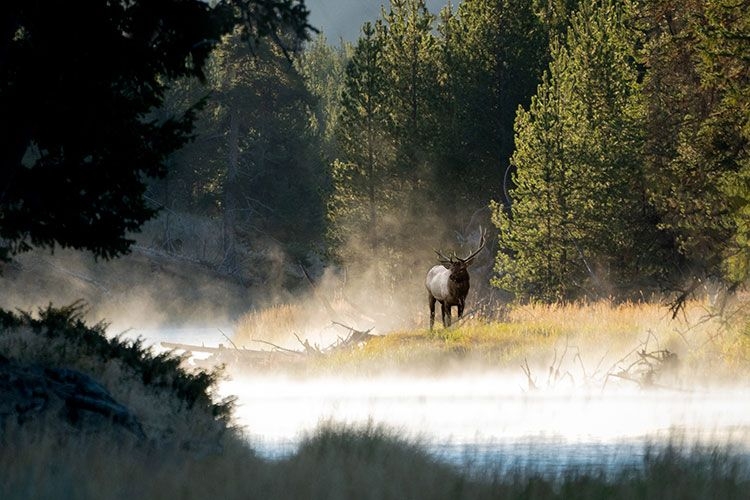
Because it falls before the busy summer rush, April offers a peaceful, uncrowded atmosphere across the state. Towns like Big Sky, Bozeman, Missoula, Helena, and Livingston have a relaxed early-season feel, with easy access to scenic drives, small local events, and emerging spring scenery. In and around Yellowstone’s northern entrance, open year-round, visitors often spot bison calves, elk herds, and bears waking from hibernation, making it an especially fascinating time for wildlife enthusiasts.
April also offers a refreshing blend of crisp mornings, mild afternoons, and landscapes in transition. Early wildflowers begin to appear in the foothills, hot springs are especially enjoyable in the cooler air, and the mix of snow-covered peaks with greening valleys creates stunning photography conditions. It’s a season of change and renewal, ideal for travellers who enjoy Montana’s natural beauty in a calmer, more intimate setting.
Weather in April
Temperature: 35–57°F (2–14°C), with warmer afternoons and cooler mornings; colder in higher elevations.
Sunshine: Increasing daylight and a mix of bright, sunny stretches with occasional spring storms.
Rainfall/Snowfall: Light rain common; late-season snow possible, especially in mountainous areas.
Nature & Conditions: Wildlife activity increases, valley trails start to open, and the scenery transitions from winter white to early spring green.
Montana in May
May is one of the most enjoyable months to visit Montana, marking the full arrival of spring and bringing a welcome shift toward warmer, brighter days. Snow still holds on in the higher elevations, especially across some of the state’s best mountain ranges, while the lower valleys come alive with fresh greenery, wildflowers, and rushing rivers fed by the seasonal melt. It’s a scenic, refreshing time of year that offers a quieter atmosphere before the summer travel season begins.
Early in the month, you can expect comfortable temperatures for exploring Montana’s small towns and scenic areas. Places like Bozeman, Missoula, Whitefish, and Helena feel relaxed and uncrowded, and May is often more budget-friendly than peak summer, with lower prices on lodging and easier availability. It’s an excellent time for leisurely drives, enjoying local breweries and cafes, or taking in the dramatic landscapes as they transition into their greenest season.
Montana’s national parks begin to show signs of opening up as well. Parts of Glacier National Park remain closed due to lingering snow, but the lower elevations often become accessible for sightseeing and wildlife watching. Yellowstone’s northern regions are especially active this month, with bison calves, elk, and bears frequently spotted in the warming valleys. The blend of snow-capped peaks and bright spring greenery creates some of the most striking scenery of the year.
Weather in May
Temperature: 42–65°F (6–18°C), warming steadily with mild afternoons and cooler evenings.
Sunshine: Plenty of sunny days mixed with occasional spring showers.
Rainfall/Snowfall: Light rain common; lingering snow possible at higher elevations.
Nature & Conditions: Lush valleys, active wildlife, and a vibrant spring landscape ideal for scenic outings and relaxed early-season exploration.
Montana in June
June is one of the most rewarding months to visit Montana, marking the true beginning of summer and bringing long, warm days perfect for exploring the state’s incredible mix of mountains, lakes, and wide-open plains. Snow still lingers on the highest peaks early in the month, but the lower elevations come fully alive with bright wildflowers, flowing rivers, and some of the clearest skies of the year. It’s also a calmer time before peak summer tourism arrives in July and August, meaning more room to enjoy Montana’s trails, viewpoints, and charming small towns.
By June, Montana’s iconic outdoor destinations start to open up. Yellowstone National Park is in full seasonal swing, with wildlife such as bison, elk, bears, and pronghorn frequently visible in the valleys. In Glacier National Park, many lower-elevation roads and trails become accessible, and the lakes—still cold but stunning—offer peaceful canoeing and shoreline walks. Higher alpine areas may remain partially snow-covered, but that contrast of green valleys and shimmering white peaks makes June one of the most scenic months of the year.
Montana’s lakes, rivers, and forests are particularly inviting now. Anglers enjoy excellent fishing conditions, especially in the Madison, Gallatin, and Missouri Rivers. Boating, paddleboarding, and kayaking thrive on Flathead Lake, Whitefish Lake, and the state’s many mountain-fed reservoirs. Evenings are warm and relaxed, perfect for outdoor dining, brewery patios, or unwinding beside a campfire with big-sky sunsets stretching across the horizon.
Weather in June
Temperature: 50–75°F (10–24°C), pleasantly warm with cooler nights.
Sunshine: Long, bright days with plenty of clear skies.
Rainfall: Occasional light showers or thunderstorms, especially in the afternoons.
Nature & Conditions: Wildflowers in bloom, lively wildlife activity, and excellent early-summer conditions across lakes, valleys, and lower mountain trails.
Montana in July
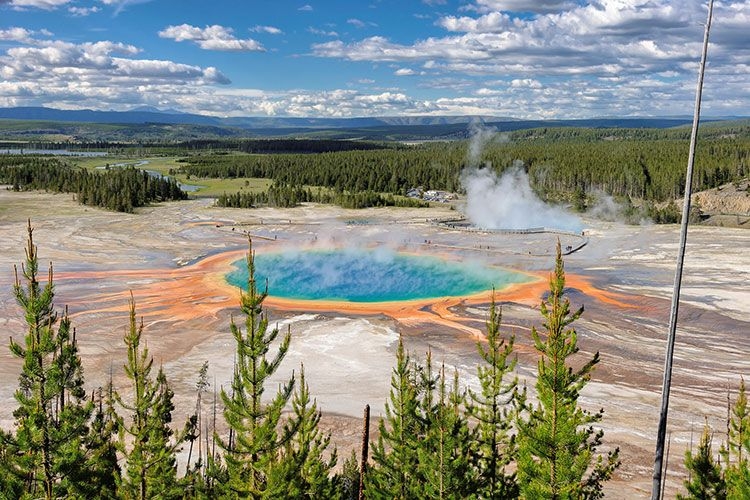
July is peak summer in Montana, bringing long, warm days, clear skies, and some of the state’s most spectacular outdoor conditions. Temperatures typically range from 75–90°F (24–32°C) in many regions, though evenings remain comfortably cool thanks to Montana’s high elevation and open landscapes. This is one of the best months for hiking, lake days, scenic drives, and exploring the state’s national parks at their fullest.
Montana’s mountain and lake destinations are especially vibrant in July. Glacier National Park is largely open, including the famous Going-to-the-Sun Road, revealing alpine lakes, wildflower-filled meadows, and dramatic mountain passes. Popular areas like Whitefish, Flathead Lake, and Big Sky buzz with activity, offering everything from boating and paddleboarding to zip-lining and horseback riding. While July is busy, the vast landscapes mean it rarely feels crowded, and you’ll still find peaceful viewpoints and quiet trails throughout the state.
Inland valleys and river corridors are lush and lively. Anglers experience excellent summer fishing on the Madison, Gallatin, Yellowstone, and Missouri Rivers, while rafters and kayakers enjoy warm-weather runs on Montana’s many waterways. Evenings are ideal for barbecues, brewery patios, rodeos, and outdoor concerts as the sky glows with Montana’s signature pink-and-gold sunsets.
Weather in July
Temperature: 75–90°F (24–32°C), hot afternoons with cool mountain evenings.
Sunshine: Abundant sunshine and long daylight hours.
Rainfall: Low overall; brief afternoon storms possible, especially near the mountains.
Nature & Conditions: Wildflowers at their peak, full access to high-elevation trails, excellent lake and river conditions across the state.
Montana in August
August in Montana is warm, sunny, and full of classic summer energy. Temperatures typically range from 75–92°F (24–33°C), with hot afternoons balanced by cool, refreshing evenings, especially in mountain towns. Though this is one of Montana’s driest months, brief thunderstorms can pop up late in the day, but they’re usually short and followed by clear skies. It’s a prime time for hiking, lake days, wildlife viewing, and scenic road trips across the state’s diverse landscapes.
Montana’s mountain regions and lakes are particularly inviting in August. Glacier National Park offers its widest trail access of the year, including high-elevation routes with sweeping alpine views, while Flathead Lake, Whitefish Lake, and the waters around Big Sky provide perfect conditions for swimming, boating, and paddleboarding. Popular destinations feel lively, but Montana’s vast wilderness ensures plenty of quiet places to explore, whether you’re trekking through wildflower meadows or relaxing on a secluded lakeshore.
August is also excellent for river adventures and backcountry exploration. Anglers enjoy productive warm-weather fishing on the Madison, Gallatin, and Yellowstone Rivers, while rafters and kayakers take advantage of steady summer flows. Wildlife sightings are common at dawn and dusk, and the state’s open skies deliver breath-taking sunsets and exceptionally clear nights for stargazing. With its combination of warm weather, full trail access, and abundant outdoor activities, August remains one of the best months to experience Montana at its summer peak.
Weather in August
Temperature: 75–92°F (24–33°C), warm to hot days with cool mountain evenings.
Sunshine: Long, sunny days with occasional brief thunderstorms.
Rainfall: Low to moderate, typically short-lived.
Lakes & Nature: Excellent conditions for hiking, lakeside activities, and river adventures; high-elevation trails fully open and wild landscapes at their summer best.
Montana in September
September in Montana is one of the most rewarding times to visit, offering crisp mornings, warm afternoons, and vibrant early fall colors across the state. Temperatures generally range from 45–75°F (7–24°C), creating comfortable conditions for both outdoor exploration and scenic drives. Crowds begin to thin after the summer rush, giving visitors more space to enjoy Montana’s expansive landscapes and national parks at a relaxed pace.
The mountains, lakes, and wide-open valleys are particularly beautiful this time of year. Glacier National Park and the surrounding regions offer clear trails, cooler hiking conditions, and sweeping views, with the first hints of fall foliage appearing at higher elevations. As you explore these areas, you’ll catch glimpses of the rugged terrain that places Montana among the gateways to some of the best mountain ranges in the American West, all without disrupting the state’s own unique character. Wildlife is active, and outdoor activities like fly fishing, kayaking, horseback riding, and hiking are at their peak.
September is perfect for travellers who appreciate stunning landscapes combined with quieter travel days. With pleasant weather, reduced crowds, and nature in full transition toward autumn, it’s an ideal month for exploring national parks, discovering lesser-known mountain towns, or simply enjoying Montana’s signature wide-open spaces.
Weather in September
Temperature: 45–75°F (7–24°C), cool mornings and warm afternoons.
Sunshine: Mostly sunny with crisp, clear days.
Rainfall: Light to moderate, with occasional brief showers.
Nature: Vibrant early fall colors, active wildlife, and excellent conditions for hiking, fishing, and outdoor exploration.
Montana in October
October in Montana ushers in deeper autumn colours, cooler temperatures, and a peaceful atmosphere as the summer crowds fade away. Daytime temperatures usually range from 35–60°F (2–16°C), with crisp mornings, mild afternoons, and the first hints of winter appearing at higher elevations. It’s a wonderfully calm month for travelers who enjoy dramatic seasonal landscapes and quiet outdoor exploration.
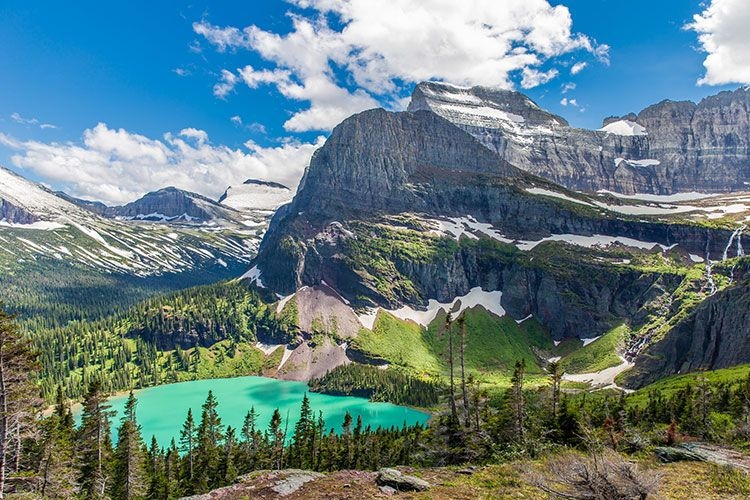
The mountains, forests, and valleys are at their most picturesque, with golden aspens and rust-colored hillsides stretching across the state. Glacier National Park, the Bitterroot Valley, and regions surrounding the Rockies offer exceptional hiking and photography conditions, especially before snow begins to accumulate. As you move through Montana’s rugged terrain, you’ll naturally encounter views that highlight why this region is often associated with some of the best mountain ranges in the country, all showcased under October’s clear, cool skies. Wildlife activity remains strong, making it a great time for spotting elk, deer, and migrating birds.
October is ideal for visitors who love quiet trails, vibrant fall foliage, and a slower travel rhythm. Whether you’re exploring mountain towns, taking scenic drives through national forests, or enjoying cozy evenings in a lodge or cabin, Montana in autumn delivers a peaceful, richly atmospheric experience.
Weather in October
Temperature: 35–60°F (2–16°C), cool and crisp.
Sunshine: Mostly clear days with soft autumn light.
Rainfall/Snow: Light rain is possible; occasional early snow at higher elevations.
Nature: Peak fall colours, active wildlife, and scenic mountain landscapes perfect for hiking and photography
Montana in November
November is a beautiful and transitional month in Montana, marking the shift from autumn’s golden landscapes to the quiet onset of winter. Temperatures typically range from 20–45°F (–6–7°C), bringing crisp days, cold evenings, and the first significant snowfall in many regions, especially in and around the mountains.
This month appeals to travelers who enjoy a peaceful, slower-paced experience. With fewer visitors than in the summer or peak ski season, Montana’s towns, parks, and scenic highways feel calm and uncrowded. Charming destinations such as Bozeman, Whitefish, and Livingston offer cozy cafés, early winter markets, and picture-perfect views of snow-dusted peaks. Lower elevations are still great for hiking and wildlife watching, while higher elevations begin welcoming early-season skiers and snowshoers.
Inland and mountain adventures remain rewarding in November. National forests and foothill trails offer quiet walks through frost-covered landscapes, and the transition into winter makes wildlife especially active. Cooler, drier conditions mean crisp visibility and stunning photography opportunities across the state’s valleys and mountain corridors.
Weather in November
Temperature: 20–45°F (–6–7°C), cold and transitioning toward winter.
Sunshine: Clear, crisp days with soft early-winter light.
Precipitation: Light to moderate; rain at lower elevations and snow increasing in the mountains.
Nature: Snow-dusted peaks, active wildlife, and peaceful trails ideal for scenic drives, early skiing, hiking, and photography.
Montana in December
December is one of the most magical months to visit Montana, when the entire state transforms into a true winter wonderland. Snow blankets the mountains, small towns glow with festive lights, and the month carries a cozy, nostalgic charm that makes winter feel truly special. Temperatures typically range from 10–35°F (–12–2°C), creating ideal conditions for cold-weather adventures and fireside relaxation.
Montana’s mountain towns embrace the Christmas season in a way that feels warm, local, and authentic. Whitefish, Big Sky, Bozeman, and Red Lodge host charming holiday events, from Christmas strolls and downtown light displays to festive markets, sleigh rides, and seasonal performances. Ski resorts celebrate with torchlight parades, holiday dinners, and beautifully decorated lodges, giving visitors a classic alpine Christmas atmosphere. Even quieter towns and rural areas feel magical, with snowy streets, wreath-lined storefronts, and that quiet winter stillness Montana is known for.
For travellers who love the holidays, December is one of the most enchanting times to experience Montana. Early in the month offers calmer slopes and better value, while the weeks around Christmas and New Year bring lively celebrations, vibrant ski villages, and a joyful winter getaway feel.
Weather in December
Temperature: 10–35°F (–12–2°C), cold and wintry across the state. Sunshine: Clear, crisp days with soft winter light. Precipitation: Moderate snowfall, especially in the mountains; light snow common in valleys. Nature: Snow-capped peaks, frozen lakes, early-season ski terrain, and postcard-worthy winter scenery perfect for holiday travel.
When is the best time to visit Montana?
Summer (June–August) is ideal for hiking, national park visits, and warm-weather adventures. Fall offers colourful foliage and fewer crowds. Winter (December–March) is perfect for skiing, snowboarding, and cozy mountain getaways. Spring brings wildlife activity and quieter parks, though some mountain areas may still have lingering snow.
Can I visit Montana year-round?
Yes! Summer is ideal for hiking, fishing, and sightseeing, while winter draws skiers and snowmobilers. Spring and fall are quieter, with mild weather and fewer crowds, making them perfect for scenic drives and wildlife viewing.
What is Montana best known for?
Montana is famous for its dramatic landscapes, snow-capped mountains, alpine lakes, open prairies, and two major national parks (Yellowstone and Glacier). It’s also known for wildlife, fly-fishing, skiing, and wide-open spaces.