Where to See Manatees in Florida
Discover where to see manatees in Florida, the best places to visit, manatee season, swimming and kayaking experiences, plus useful manatee facts.
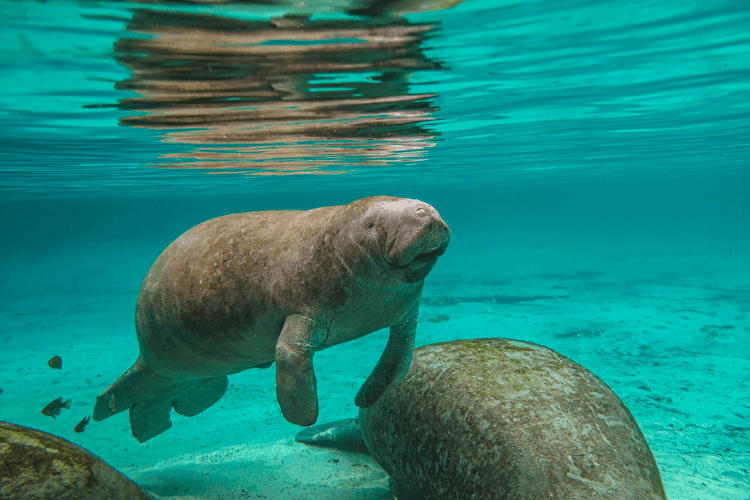
Where to see Manatees in Florida: Best places & manatee season
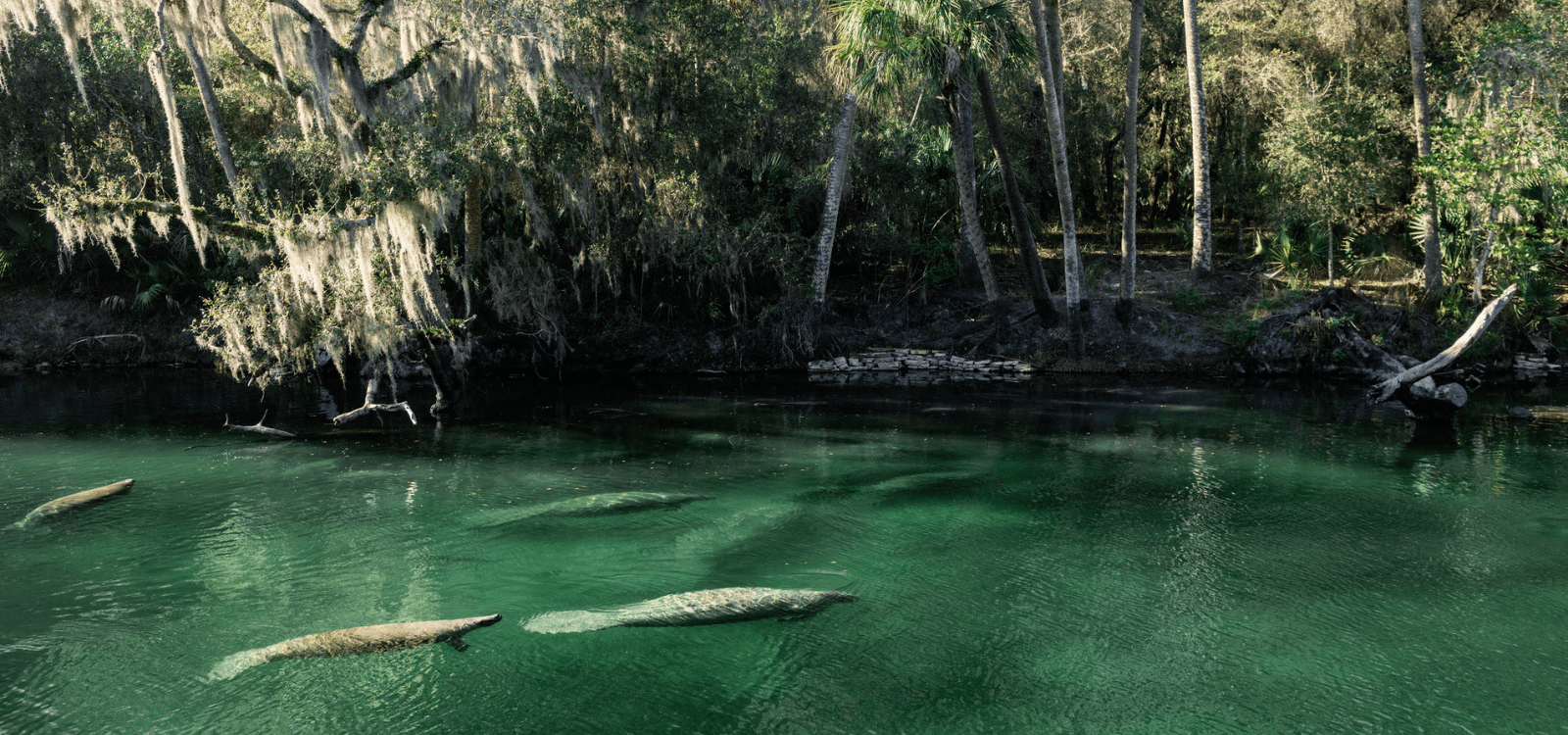
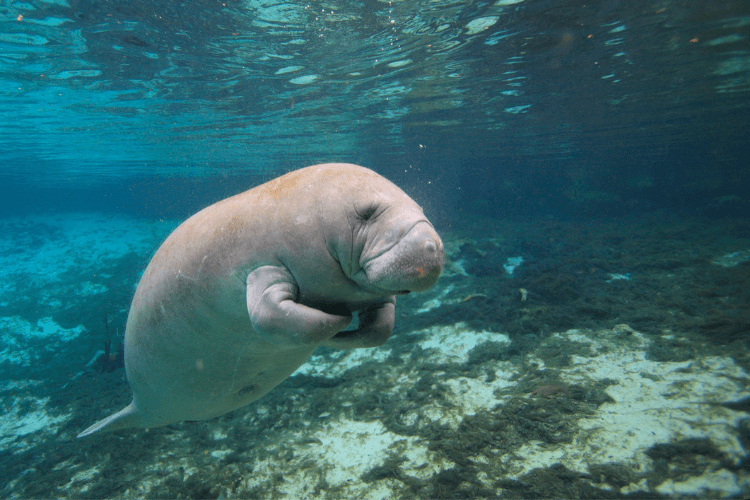
Seeing manatees in Florida is one of the Sunshine State’s most memorable wildlife experiences. These gentle aquatic mammals live in Florida’s rivers, springs, bays and coastal waters, gathering in particularly large numbers around warm-water refuges when temperatures fall during winter.
From the clear springs of Crystal River to viewing platforms near Orlando and wildlife-rich waterways in South Florida, there are several excellent places to look for them. Sightings are never guaranteed, but choosing the right location and time of year can make a huge difference.
If you’re planning a wider trip, our Florida vacation rentals make a convenient base for exploring different parts of the state. This guide covers the best places to see manatees in Florida, when manatee season takes place, where you can legally swim or kayak near them and some useful facts about Florida’s famous gentle giants.



Best Places to See Manatees in Florida
Manatees can be found across much of Florida, but some locations offer far more reliable viewing than others. During cooler weather, they move towards springs and other warm-water refuges because prolonged exposure to water below around 68°F can be dangerous for them.
Crystal River Manatees
Crystal River is one of the most famous places to see manatees in Florida, particularly during winter.
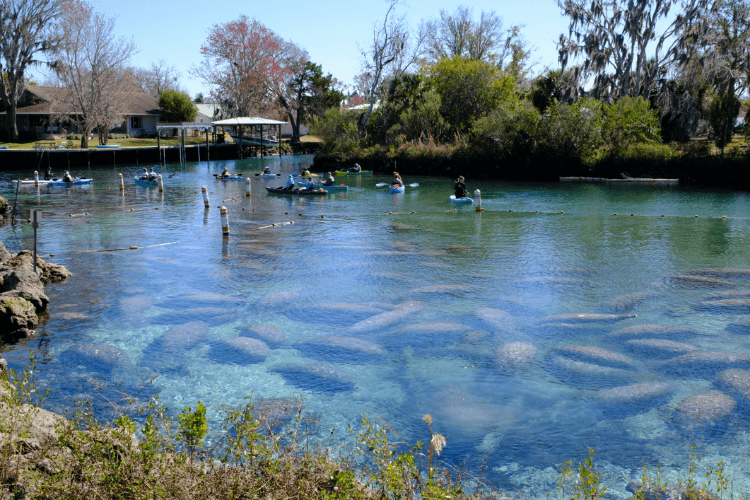
The springs around Kings Bay stay at roughly 72°F, attracting large numbers of manatees when surrounding Gulf waters cool. Crystal River National Wildlife Refuge's official manatee season runs from November 15 to March 31, when warm-water sanctuaries are established to protect the animals.
Three Sisters Springs is one of the best-known viewing areas. Visitors can watch from land or explore permitted parts of Kings Bay by boat, kayak or guided tour, although seasonal closures protect important resting zones.
Manatees can be seen around Crystal River throughout the year, but winter and early spring generally bring the largest gatherings.
Lee County Manatee Park, Fort Myers
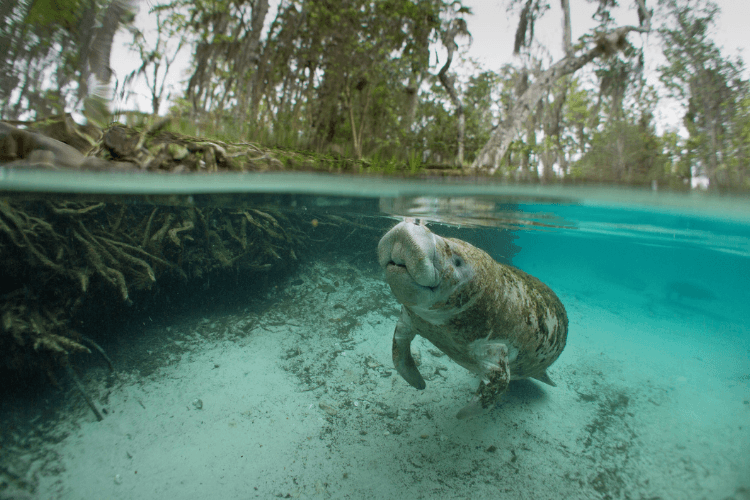
Lee County Manatee Park in Fort Myers is another excellent winter viewing location.
Manatees are attracted to the warm waters around the Orange River and nearby discharge canal when Gulf temperatures drop. The park advises that sightings are most likely from late December through March, with water temperature rather than air temperature being the key factor.
Viewing areas allow visitors to look for manatees from land, making this an easy option for families who want to observe the animals without entering the water.
Outside the colder months, the manatees disperse into coastal habitats around Southwest Florida, so sightings at the park become much less predictable.
Explore our Fort Myers vacation rentals for stays close to Southwest Florida’s beaches, waterways and wildlife attractions.
Blue Spring State Park: Manatees Near Orlando
For visitors staying around Orlando, Blue Spring State Park is one of the best places to see wild manatees without travelling to Florida's Gulf Coast.
Blue Spring is a designated manatee refuge on the St. Johns River, where the spring stays at approximately 72°F. During manatee season from November 15 to March 31, large numbers can gather here and be watched from boardwalks overlooking the spring run.
Swimming, snorkeling, diving, tubing and paddling in the spring run are prohibited during manatee season, allowing the animals to rest undisturbed.
Blue Spring also requires advance reservations for day-use visitors, so it is worth planning ahead.
Manatee Observation and Education Center, Fort Pierce
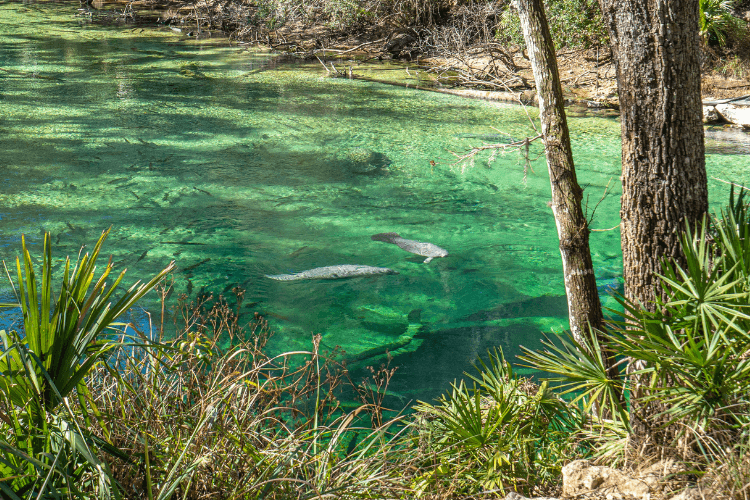
The Manatee Observation and Education Center in downtown Fort Pierce overlooks Moore's Creek and the Indian River Lagoon on Florida's Atlantic coast.
Wild manatees visit the waterways around the center throughout the year, although sightings are more common during cooler months. Because these are completely wild animals rather than residents of an aquarium or sanctuary, there is never a guarantee that one will appear during your visit.
The center adds an educational element to the experience, with exhibits, children's activities and information about manatees and the Indian River Lagoon ecosystem. Covered outdoor areas also provide places to watch the water for wildlife.
Everglades National Park
Everglades National Park protects an enormous network of wetlands, mangrove forests, bays and coastal habitats where manatees can also be found.
One of the easiest places to look is around Flamingo Marina at the southern end of the park. The National Park Service specifically recommends watching the water from the docks for manatees, as well as tarpon and American crocodiles.
Unlike Florida's major winter springs, the Everglades should be treated as a wildlife-spotting opportunity rather than somewhere you are likely to encounter a large congregation of manatees. Keep an eye on calm waterways, marina basins and mangrove areas and remember that sightings can occur at any time.
If you’re exploring South Florida, our Miami vacation rentals make a useful base for combining the city and coast with a day trip towards the Everglades.
When Is Manatee Season in Florida?
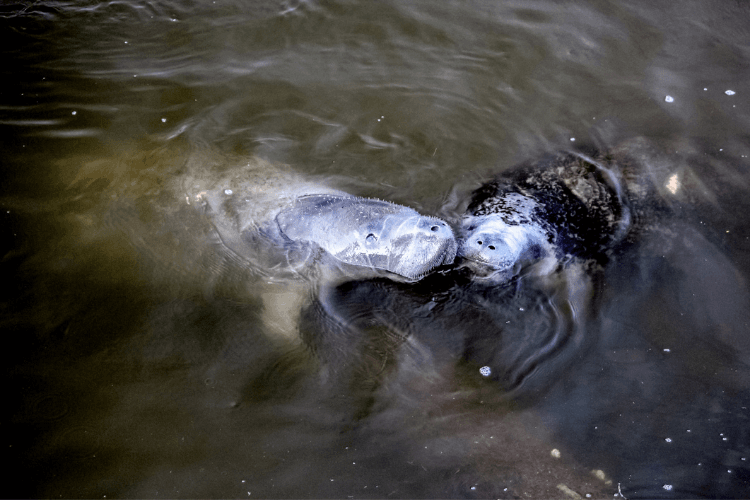
The best time to see manatees in Florida is generally November through March, when cooler water temperatures bring them into warm-water springs and refuges.
Manatees cannot tolerate prolonged exposure to water below about 68°F, so winter cold spells often lead to larger gatherings. Crystal River National Wildlife Refuge and Blue Spring State Park both recognize November 15 through March 31 as manatee season.
Weather still plays a big role. Colder conditions usually mean more manatees in warm-water areas, while milder winter days can leave them more spread out. Manatees remain in Florida during summer, but sightings are generally less concentrated.ies and may travel considerable distances, making large gatherings less common.
Can You Swim With Manatees in Florida?
Yes, but opportunities are extremely limited.
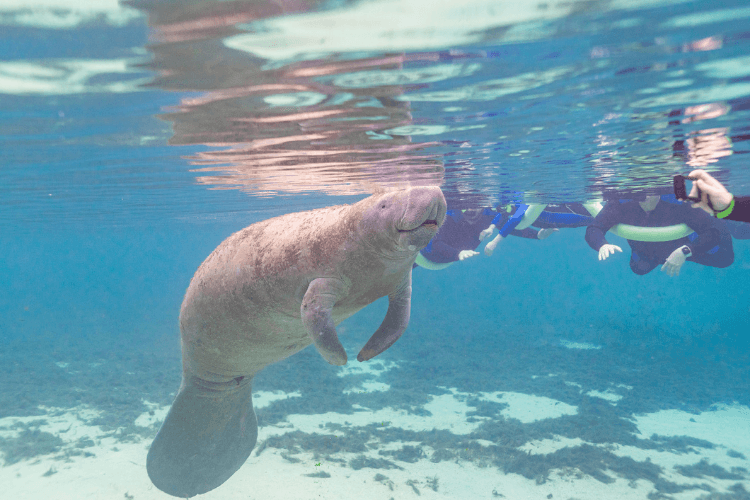
Crystal River in Citrus County is the only place in Florida where visitors can legally swim with wild manatees, and strict rules are in place to protect them.
You cannot simply enter the water with manatees wherever you see them. Florida State Parks, including Blue Spring, do not allow visitors to swim with manatees.
Swimming With Manatees in Crystal River
Crystal River offers guided in-water manatee experiences around Kings Bay, with refuge-permitted operators providing tours and instruction.
Visitors should follow local Manatee Manners, which focus on passive observation rather than approaching, chasing or initiating contact with the animals.
Winter is the most popular time because manatee numbers are generally highest, although seasonal sanctuary restrictions protect important resting areas. Booking with a permitted operator is the easiest way to understand current access rules and responsible viewing practices.
How to View Manatees Responsibly
The most important rule is to let the manatee control the encounter.
Remain calm, keep your distance and avoid initiating contact. Never chase, corner or surround manatees, disturb resting animals, separate mothers from calves or offer them food or water.
The same applies from boats and paddle craft. Slow down in designated manatee zones, watch carefully for animals close to the surface and always give them room to move freely.
Kayaking With Manatees in Florida
Kayaking is a peaceful way to explore Florida's manatee habitat, with opportunities around rivers, springs and shallow coastal waterways.
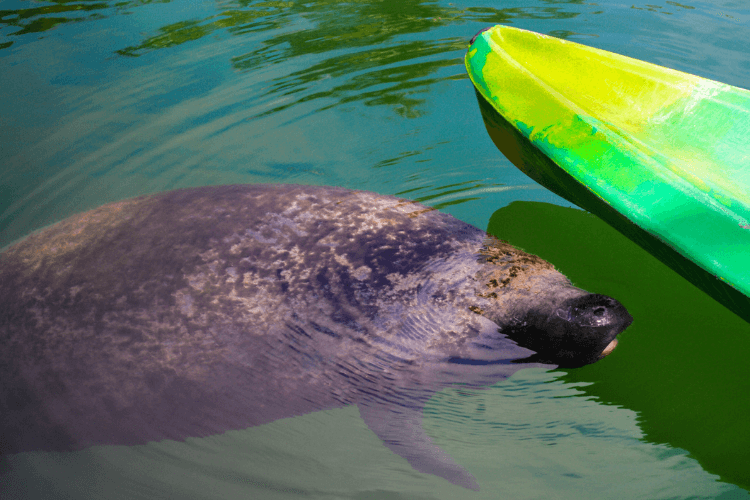
Crystal River and Kings Bay are among the best-known locations, with guided tours and rentals available from permitted operators. During manatee season, however, protected sanctuaries and seasonal restrictions must be respected.
Three Sisters Springs allows paddle craft from April 1 through November 14, while Blue Spring State Park also restricts paddling in the spring run during winter manatee season.
If a manatee approaches your kayak, stay still where possible, keep paddles under control and allow the animal to move away naturally.
Florida Manatee Facts
Florida manatees are large aquatic mammals and a subspecies of the West Indian manatee.
Adults are typically around 9–10 feet long and weigh approximately 1,000 pounds, although much larger individuals have been recorded. They are herbivores and spend much of their day feeding on aquatic vegetation.
Despite their size, manatees are capable swimmers. They regularly surface to breathe but can remain underwater for considerably longer while resting.
Florida manatees are currently listed as threatened under federal law, with threats including boat strikes, habitat loss, declining aquatic vegetation and entanglement in fishing equipment.
Are Manatees Native to Florida?
Yes. The Florida manatee (Trichechus manatus latirostris) is native to Florida and is a subspecies of the West Indian manatee.
Florida is particularly important during winter because its warm springs provide refuge when surrounding water temperatures fall.
During warmer months, manatees can travel much farther, occasionally appearing well beyond Florida along the Atlantic and Gulf coasts.
Where Do Manatees Live in Florida?
Manatees use freshwater, saltwater and brackish habitats, including rivers, springs, canals, bays, estuaries and shallow coastal waters.
Their location changes throughout the year. Warmer weather allows them to disperse widely in search of food, while winter temperatures bring them back towards warm-water springs and refuges.
Florida's seagrass beds and freshwater vegetation are particularly important because aquatic plants make up most of their diet.
How Many Manatees Are in Florida?
Wild manatees are difficult to count because they move across huge areas and spend much of their time underwater.
The latest published statewide abundance estimate from the Florida Fish and Wildlife Conservation Commission is between 8,350 and 11,730 manatees, based on surveys of Florida's east and west coasts.
This is an estimated range rather than a direct headcount, and individual survey totals should not be treated as simple year-to-year population comparisons.
Popular Florida vacation rentals